In a significant diplomatic development, Russian officials have engaged in talks with their United States counterparts, marking an important step in the ongoing dialogue between the two powers. These discussions come at a time when Moscow is actively denying allegations of providing support to Iran, adding layers of complexity to the already tense international relations backdrop.
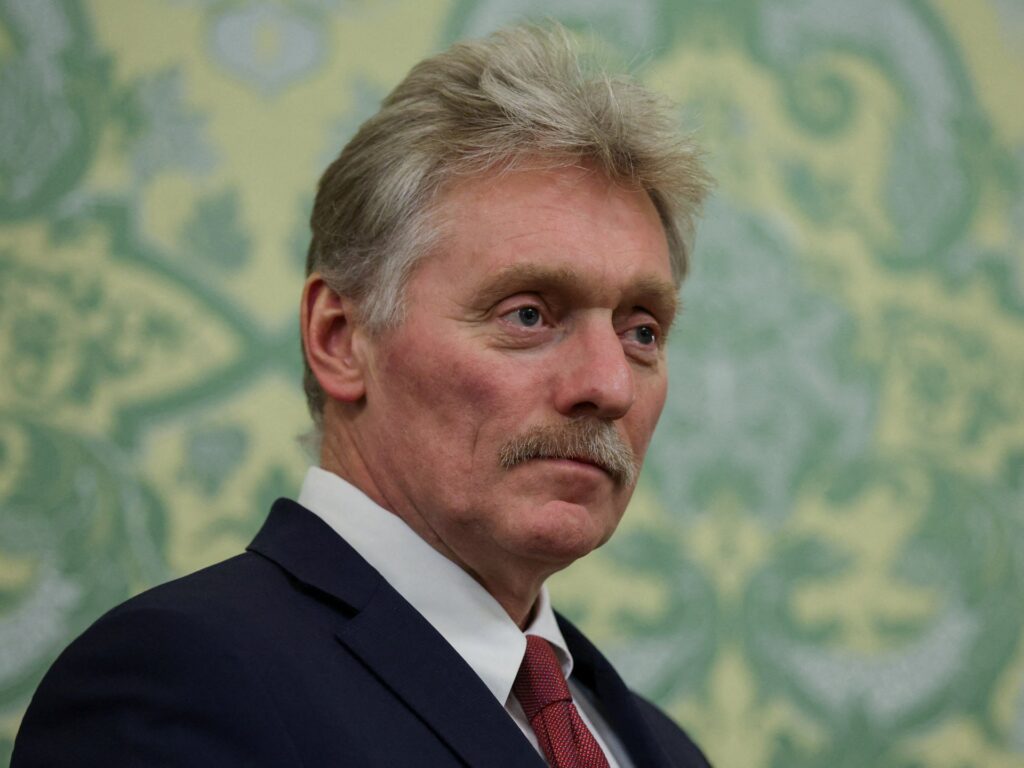
A spokesperson for the Kremlin emphasized that these talks are part of a ‘necessary dialogue’ with Washington, reflecting an attempt to maintain open channels of communication despite ongoing conflicts, including the war in Ukraine. The meetings underscore the delicate balance Russia is trying to maintain between defending its international alliances and engaging with Western nations.
The backdrop of the war in Ukraine continues to heavily influence these interactions. With hostilities ongoing, the need for diplomatic conversations becomes even more critical to manage risks and prevent further escalations on the global stage.
During the meetings, both Russian and American officials likely discussed a range of issues beyond the alleged Russian support to Iran, including security concerns, regional conflicts, and economic sanctions. Although the Kremlin denies aiding Iran, these allegations have raised concerns in Washington and among NATO allies, prompting calls for transparency and accountability.
Diplomatic experts believe that maintaining dialogue, even amid accusations and conflicts, is vital for global stability. Such meetings could pave the way for more comprehensive negotiations on security and cooperation, potentially easing some tensions that currently define Russia-US relations.
The Kremlin spokesperson’s remarks about the necessity of these talks signal Moscow’s willingness to engage, despite the challenging circumstances. This approach could facilitate better understanding and possibly cooperation in matters affecting international peace and security.
The international community watches closely as these dialogues unfold, hoping that they will lead to constructive outcomes rather than escalating hostilities. The meetings also highlight the complex web of alliances and accusations that characterize modern geopolitics, where dialogue remains a crucial tool for conflict resolution.
As the war in Ukraine continues, the world remains wary of shifting alliances and the implications of foreign support to conflict zones. Russia’s denial of aiding Iran is one piece of a larger puzzle that international diplomats are trying to solve through ongoing talks.
In conclusion, the recent meetings between Russian and US officials represent a cautious but necessary step toward maintaining diplomatic engagement. Despite the shadows cast by the Ukraine war and allegations involving Iran, both nations appear to recognize that communication is essential to managing their fraught relationship and addressing broader global challenges.