In a significant escalation of tensions in the Middle East, Russia’s Foreign Ministry has vehemently condemned a recent strike carried out by the United States and Israel on Iran’s Bushehr nuclear reactor. This incident marks the second known attack targeting the facility, raising grave concerns over regional stability and the risk of a nuclear disaster.
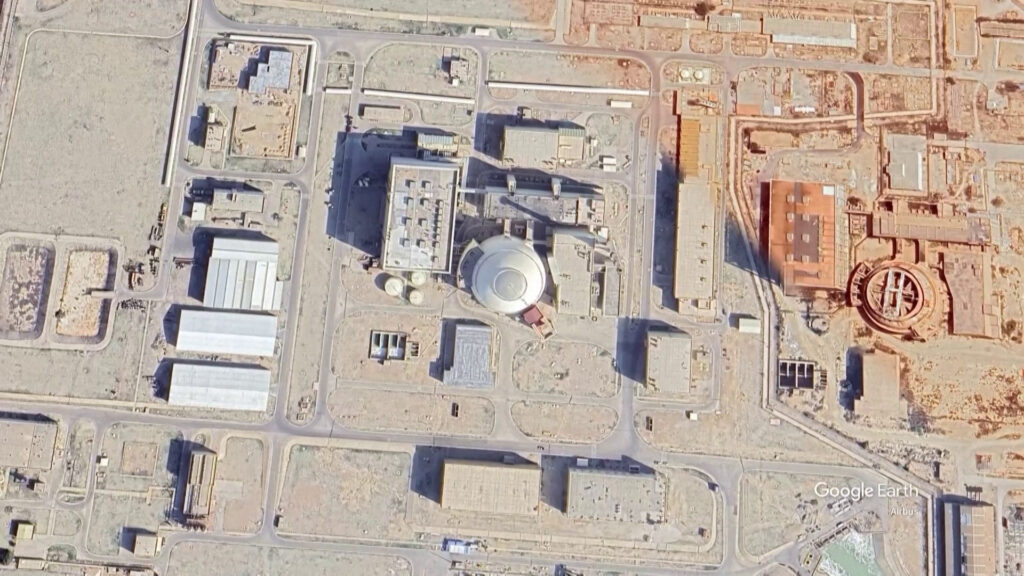
The Bushehr nuclear power plant, situated on the southern coast of Iran alongside the Persian Gulf, is Tehran’s primary nuclear energy facility. It has been a point of international focus due to its dual-use potential and strategic importance in Iran’s nuclear infrastructure.
According to the Russian Foreign Ministry’s official statement, the latest strike by US and Israeli forces represents a reckless act that could have catastrophic consequences not only for Iran but for global security. Russia accused these countries of deliberately provoking a nuclear crisis, warning that any damage to the Bushehr facility could unleash radioactive contamination on a massive scale.
This condemnation follows reports that the US and Israel conducted a joint operation targeting critical areas of the reactor complex, which the allies claim were being used to advance Iran’s nuclear weapons program. However, analysts caution that striking such a sensitive facility carries inherent risks far beyond the immediate tactical objectives.
Russia called on all parties involved to refrain from further military actions against nuclear installations and urged the international community to intensify diplomatic efforts to ensure the security and peaceful use of nuclear energy in the region.
The US and Israeli governments have so far not officially confirmed responsibility for the strike but have repeatedly expressed concerns over Iran’s nuclear ambitions. Washington and Tel Aviv assert that their actions aim to prevent Iran from developing nuclear weapons capability, arguing that diplomatic negotiations have failed repeatedly.
The recent attack exacerbates an already volatile situation, as Iran swiftly condemned the strike as an act of aggression that threatens the entire Middle East. Iranian officials have vowed to respond decisively if future attacks occur and have called for increased international support to protect their sovereign nuclear rights.
International observers and nuclear experts have emphasized the urgent need for a transparent investigation into the incident to assess the damage and prevent any unintended release of radioactive material. The potential consequences of a nuclear accident at Bushehr extend far beyond Iran’s borders, with possible environmental and humanitarian fallout affecting neighboring countries and the global community.
Since the incident, Russia has reiterated its commitment to supporting Iran’s right to peaceful nuclear energy under international law, while condemning unilateral military measures that undermine regional stability.
As the situation develops, the international community faces mounting pressure to address the heightened risks posed by these military actions. Calls for renewed diplomacy, adherence to nuclear non-proliferation treaties, and robust mechanisms to protect nuclear facilities from military conflict intensify.
The Bushehr nuclear reactor strike underscores the fragile nature of peace in the Middle East and the complex interplay between security concerns, international diplomacy, and the dangers of nuclear weapons proliferation. Russia’s denunciation of the US and Israeli actions signals a potential shift in global alignments and highlights the critical need for concerted efforts to avert a nuclear catastrophe.