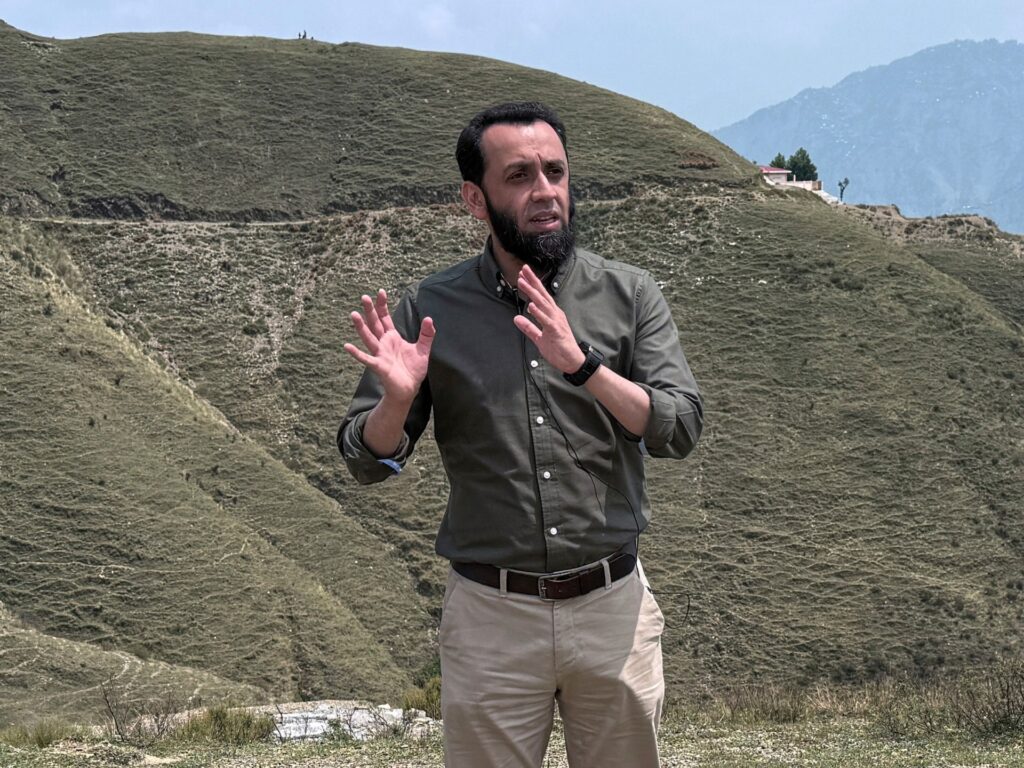
Pakistan’s Minister for Information has vehemently denied allegations that Pakistan was responsible for an air strike on a hospital in Kabul. The claim, which has garnered significant international attention and concern, accuses Pakistan of targeting a civilian medical facility in the Afghan capital. However, the Pakistani government has categorically rejected these assertions, emphasizing that the country did not carry out any military action against the hospital.
The air strike on the Kabul hospital has drawn widespread condemnation from various global leaders and humanitarian organizations, further escalating tensions in the region. Medical facilities, traditionally protected under international humanitarian law, have become the focus of scrutiny following recent incidents that have endangered civilian lives.
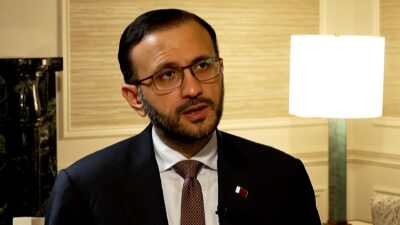
The Pakistani Minister for Information described the allegations as “completely baseless and unfounded,” stressing that Pakistan adheres strictly to humanitarian principles and international norms. The minister highlighted that Pakistan remains committed to maintaining peace and stability in the region, and any such military action violating these principles is firmly denied by Islamabad.
International observers and analysts are closely monitoring the situation, urging thorough investigations to establish the facts behind the hospital strike. The call for transparency and accountability is echoed by humanitarian groups demanding justice for the victims of the attack.
Pakistan’s denial comes at a time when regional security is fragile, with ongoing conflicts and cross-border tensions between Afghanistan and Pakistan complicating diplomatic efforts. Both countries have historically wrestled with border disputes and allegations of interference in each other’s internal matters, contributing to a climate of mistrust.
The Kabul hospital incident underscores the urgent need for collaborative efforts to protect civilian infrastructures and ensure conflict de-escalation across national boundaries. Moreover, it spotlights the critical importance of safeguarding medical personnel and patients during times of armed conflict.
The Pakistani government has also urged all parties involved in the regional conflict to exercise restraint and work towards peaceful resolutions. It has reiterated its support for international efforts aimed at fostering dialogue and reconciliation between Afghanistan and its neighbors.
As investigations continue, the international community remains vigilant, awaiting conclusive evidence to clarify Pakistan’s role or lack thereof in the Kabul hospital air strike. In the meantime, Pakistan’s firm rejection of the claims seeks to dispel misinformation and preserve its diplomatic stance amid escalating allegations.
This development is a pivotal moment in the ongoing discourse about military accountability, civilian protection, and the role of state actors in regional conflicts. The coming days are likely to see increased diplomatic engagements and possibly international mediation to address the broader implications of the hospital strike and to prevent further escalation.