In a significant move underscoring international concern, the United Nations Security Council has adopted a resolution condemning Iran’s recent attacks in the Gulf region. This action follows a draft resolution that garnered widespread support, having been cosponsored by 135 countries, signaling a strong global consensus against the aggressive actions.
The resolution explicitly demands that Iran cease its hostile activities against Gulf nations, emphasizing the need for peace and stability in a region critical to global energy supplies and economic security. The attacks, which have raised tensions and threatened regional stability, prompted urgent discussions among UN member states leading to this decisive response.
Supporters of the resolution argue that Iran’s actions not only undermine the sovereignty of neighboring countries but also pose threats to international maritime routes and the safety of civilian populations. By passing this resolution, the Security Council has sent a clear message that such acts of aggression are unacceptable and that responsible parties must respect international laws and norms.
The draft resolution received overwhelming backing, as reflected by the large number of cosponsors, totaling 135 countries. This broad coalition highlights the global community’s collective commitment to upholding peace and condemning actions that jeopardize it.
While the resolution is non-binding, it carries significant political weight and represents a unified stance by the international community. It also lays the groundwork for potential further actions, including diplomatic measures and sanctions, should Iran fail to comply with the demands.
Regional leaders and international diplomatic circles have welcomed the Security Council’s resolution, stressing that cooperative efforts are essential to de-escalate tensions and promote dialogue. The situation remains delicate, with ongoing concerns about the risk of wider conflict if aggressive actions continue.
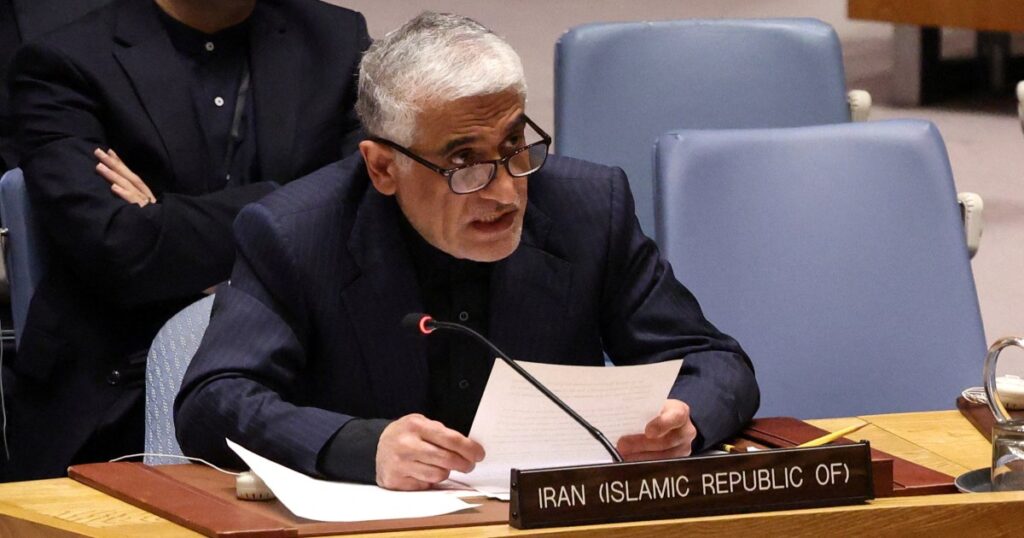
Iran, however, has denied allegations of involvement in attacks within the Gulf, asserting its right to defend its interests and dismissing the resolution as biased. This stance, experts warn, complicates efforts toward peaceful resolution and requires sustained diplomatic engagement.
The Security Council’s adoption of the resolution marks a pivotal moment in addressing security challenges in the Gulf region. It reflects a unified global commitment to peace, adherence to international law, and the protection of sovereignty.
Moving forward, the focus will likely be on monitoring compliance, encouraging dialogue among the affected states, and employing diplomatic channels to prevent any escalation. The international community remains vigilant, emphasizing the critical importance of stability in this strategically vital area.
This development underscores the role of multilateral institutions like the United Nations in responding to international crises and maintaining global peace and security. The resolution’s passage is a testament to the power of collective action in addressing and condemning acts of aggression on the world stage.