Amnesty International, the renowned global human rights organization, has issued a severe condemnation of Israel’s treatment of women in Gaza, stating that the erosion of health and safety conditions amounts to a deliberate act of war targeting women and girls. According to the group’s latest report, women in Gaza are being denied the essential conditions necessary for a dignified life, which includes access to healthcare, safety, and basic living necessities.
The report highlights the dire situation faced by women in this densely populated region, where decades of conflict, blockades, and recurrent military actions have severely degraded living conditions. Amnesty International claims these worsening conditions are not accidental but part of strategic measures that disproportionately impact women and girls.
Health services in Gaza have been severely compromised due to restrictions on medical supplies, frequent destruction of infrastructure, and overwhelmed medical facilities. Women, who have unique healthcare needs including reproductive health care, are finding it increasingly difficult to access necessary medical treatments. This has led to a rise in maternal mortality rates, complications in childbirth, and untreated chronic conditions.
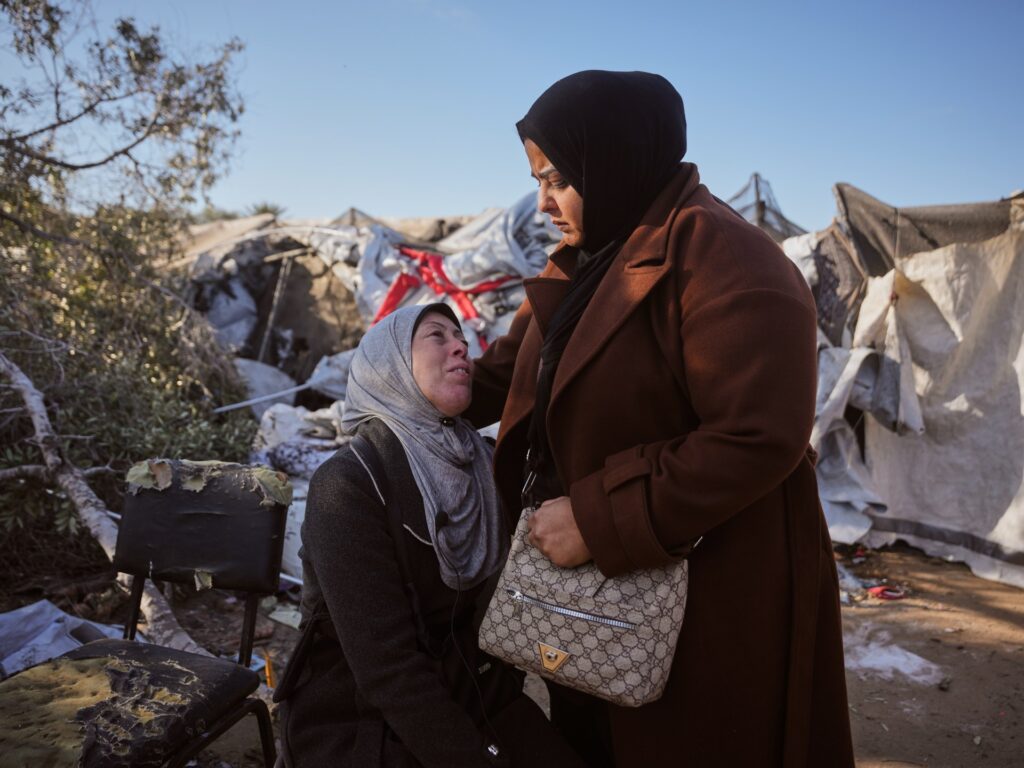
Safety concerns also remain prominent. Women and girls in Gaza face heightened risks of violence and exploitation amid the chaotic environment. The report also points out the psychological toll on women, many of whom have been displaced multiple times, living under the constant threat of military strikes and restricted movement.
Amnesty International underscores that the systematic denial of these conditions constitutes a violation of international human rights laws, and potentially war crimes, calling for urgent global attention and action. They urge the international community to hold those responsible accountable and to ensure immediate humanitarian aid reaches the affected populations.
Israeli officials have refuted these claims, stating that their actions are focused on security and that they maintain measures to allow humanitarian assistance into Gaza. However, critics argue that the blockades and military operations severely limit the flow of goods and services necessary to maintain basic life standards.
This latest report adds to a growing body of international concern over the humanitarian situation in Gaza, where over two million people live under severe restrictions. Women’s rights groups and human rights organizations are increasingly vocal about ensuring that the plight of women and girls in conflict zones like Gaza gains more global awareness and intervention.
In closing, Amnesty International calls on all parties involved to respect the rights of women and girls, to cease all actions that jeopardize their health and safety, and to facilitate unhindered humanitarian assistance. The situation in Gaza remains a critical test of the global community’s commitment to human rights and the protection of vulnerable populations during conflict.