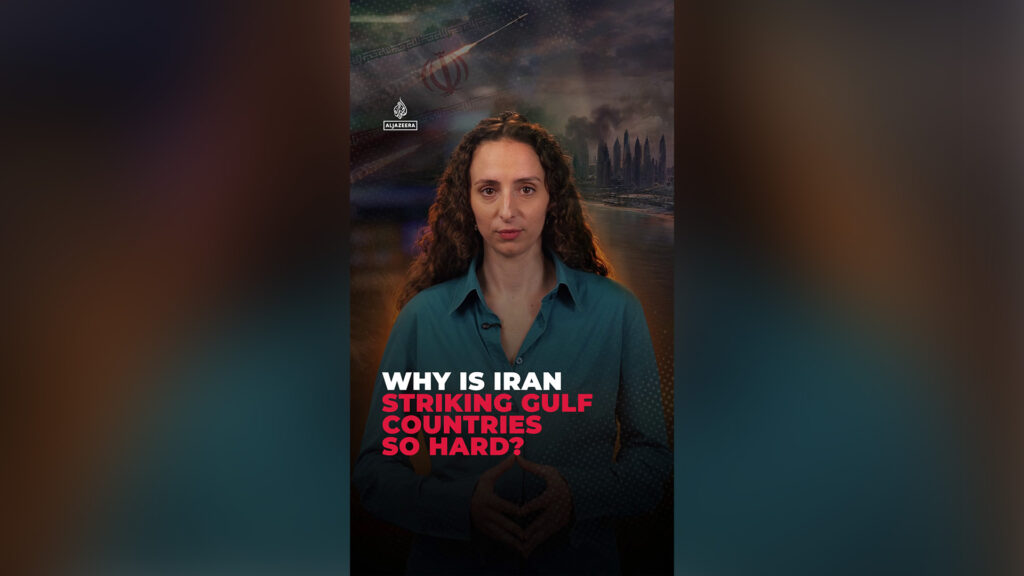
In recent months, Iran has markedly increased its military and strategic operations against Gulf Arab countries, extending beyond traditional military targets to critical infrastructure such as oil and gas facilities. This shift represents a significant escalation in the regional tension and reflects a complex interplay of geopolitical, economic, and military factors.
Iran’s aggressive actions can be understood within the broader context of its rivalry with Gulf Arab states, particularly Saudi Arabia and the United Arab Emirates, which are key US allies and regional powers. This rivalry is rooted in sectarian divides, competition for regional influence, and divergent foreign policy goals.
Targeting oil and gas infrastructure is a strategic move by Iran designed to exert economic pressure, disrupt energy supplies, and send a strong message to its adversaries and the international community. The Gulf region’s global significance as a major oil-producing hub means that any disturbance in this area can have widespread economic repercussions.
Moreover, Iran’s enhanced military capabilities, including the use of drones, missiles, and possibly underground networks, have enabled it to strike with precision and to a greater extent than before. These capabilities serve dual purposes: to showcase Iran’s defense strength and to impose costs on Gulf states and their allies for actions perceived as hostile, such as sanctions or military interventions.
The timing of these strikes often correlates with heightened diplomatic tensions, sanctions, or regional conflicts, suggesting that Iran uses these attacks both as retaliation and as leverage in diplomatic negotiations.
The Gulf Arab countries, for their part, have been enhancing their defensive measures, including missile defense systems and regional security alliances, but the asymmetry in military capabilities remains a challenge. They rely heavily on international support, primarily from Western powers, to counterbalance Iran’s advances.
This escalating pattern of conflict underscores the fragile security dynamics in the Gulf region and the potential for broader instability. It highlights the urgent need for diplomatic engagement and conflict resolution mechanisms to prevent further deterioration.
In summary, Iran’s hard strikes on Gulf Arab countries reflect a calculated strategy to assert regional dominance, counterbalance opposing powers, and influence the geopolitical landscape through targeted economic and military pressure. The situation remains volatile, with significant implications for regional and global security.