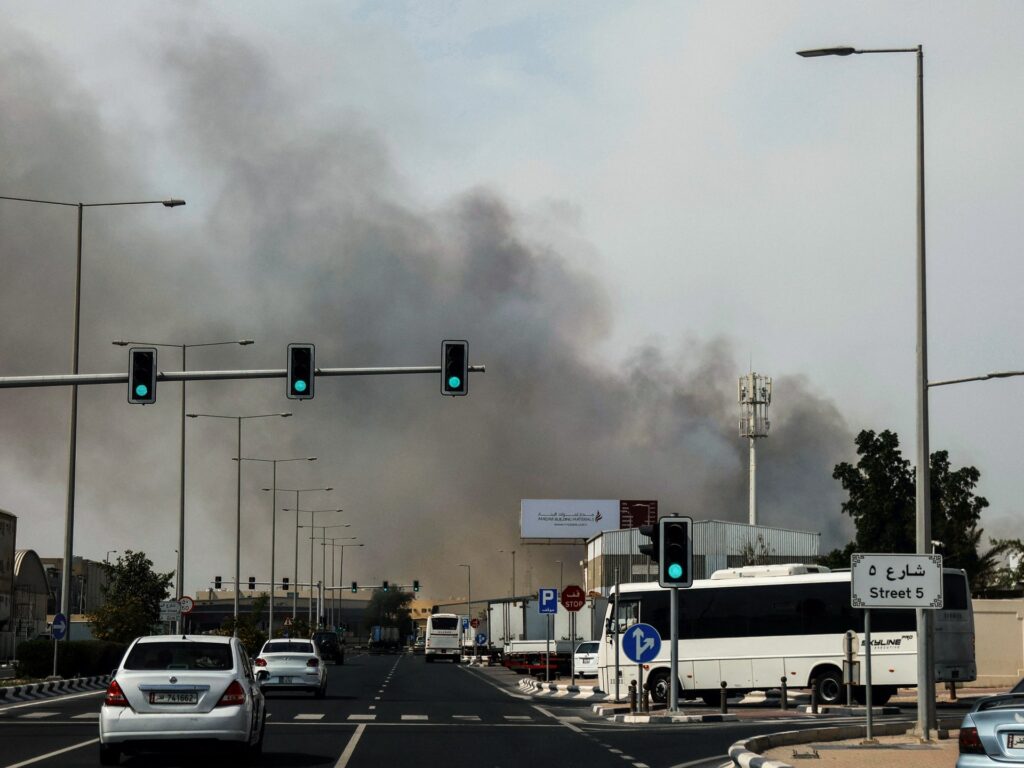
In recent developments in Middle Eastern diplomatic relations, Qatar’s Ministry of Foreign Affairs has officially stated that there is currently no communication between Doha and Tehran. This announcement comes amidst reports and concerns about missile attacks in the region.
Qatar specifically highlighted that Iran did not provide any prior warning or notification about missile attacks, contradicting any assumptions of coordinated efforts or advance alerts in this regard. The absence of communication between Qatar and Iran marks a notable point in their bilateral relations, especially given the sensitive and volatile security landscape in the Middle East.
The Ministry of Foreign Affairs in Qatar reinforced its position with a clear message emphasizing the current communication blackout. The statement indicates that Doha has not received any formal or informal messages from Tehran related to the missile incidents, which often have significant implications for regional stability and diplomatic interactions.
This development raises questions about the nature of intergovernmental dialogues between the two neighbors and the possible impact on security protocols. Traditionally, countries in the region may notify neighbors about such actions to avoid misunderstandings or unintended escalations. Qatar’s disclosure that no such warnings were issued by Iran suggests a potential gap in diplomatic communication and coordination.
Moreover, Qatar’s statement came during a period of heightened tensions in the Gulf region, where missile attacks and military activities are closely monitored by local governments and international observers alike. The Ministry’s declaration underscores the critical need for transparent channels between countries to mitigate risks and maintain peace.
The absence of communications between Doha and Tehran also reflects broader geopolitical dynamics. Qatar has often navigated a complex relationship with Iran, balancing diplomatic, economic, and security interests. The current status as declared by the Ministry suggests challenges within this context.
Analysts believe that the lack of warning and communication might affect trust levels and encourage Qatar to enhance its defense and intelligence monitoring mechanisms independently. It could also influence Qatar’s foreign policy direction as it seeks to ensure national security amid regional uncertainties.
This declaration serves as a reminder of the fragile and often unpredictable nature of Middle Eastern geopolitics. Effective communication and timely warnings about military actions are critical to prevent accidental confrontations and preserve stability.
Looking forward, observers will be watching closely to see if Doha and Tehran will restore diplomatic communication channels and how they will address the issues raised by this lack of communication and warning. The international community continues to advocate for dialogue and cooperation to reduce tensions and promote security throughout the Middle East.
In summary, Qatar’s Ministry of Foreign Affairs has clearly stated that there is no current communication with Iran and that Qatar was not warned by Tehran about missile attacks. This development highlights the complexities and challenges of diplomatic relations in a region where security concerns remain paramount.