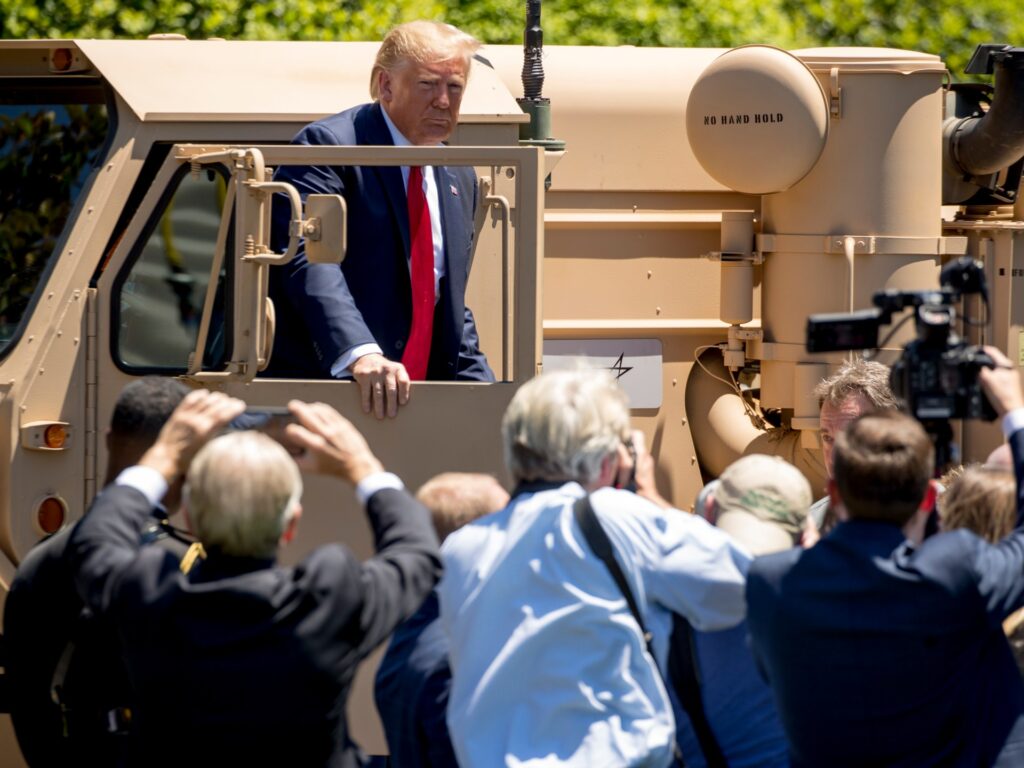
Concerns have arisen among military analysts about the United States potentially running low on vital weapons, particularly interceptor missiles, in the context of an escalating assault on Iran. According to experts, the US stockpile of these critical defense assets could be significantly depleted within weeks, raising alarms about the readiness and sustainability of ongoing and future military operations.
Interceptor missiles are a crucial component of the US defense arsenal, designed to neutralize incoming threats such as ballistic missiles, aircraft, and drones. These missiles are integral to the protection of American forces and strategic assets, especially in a high-conflict zone like the Middle East.
The possibility of running low on interceptor missiles emerges from continuous military engagements and heightened alert levels in the region, which lead to accelerated consumption of existing inventories. Analysts highlight that the demand surge, combined with production and supply chain challenges, could impair the US military’s ability to replenish these stocks swiftly.
Experts suggest that if current rates of usage persist, and no emergency measures are enacted to boost manufacturing or secure alternative supplies, the US might face a significant deficit within a short timeframe. This shortfall could compromise operational effectiveness and strategic deterrence against Iranian threats.
Beyond interceptor missiles, other categories of weaponry and munitions may also face strain due to intensified military activities. The strain on resources underscores the importance of logistics, supply chain resilience, and strategic foresight in defense planning.
The US Department of Defense has historically maintained robust production capabilities and emergency reserve systems to mitigate such risks. However, the unprecedented pace and scale of current engagements may test these safeguards.
Policymakers and military leaders are reportedly assessing options to address the looming shortage, including accelerating production ramp-ups, exploring procurement from allied nations, and innovating alternative defense systems.
The situation also spotlights broader strategic challenges in the US-Iran conflict, where sustained military pressure demands equally sustainable logistical support. Analysts warn that weapon shortages could embolden adversaries by signaling potential weaknesses.
In conclusion, while the US possesses substantial military might, the rapid consumption of vital interceptor missiles and the potential for shortfalls highlight a critical logistical vulnerability amid preparations for an assault on Iran. Continuous monitoring, proactive resource management, and adaptive strategies will be essential to maintaining operational readiness and strategic advantage in this evolving conflict.