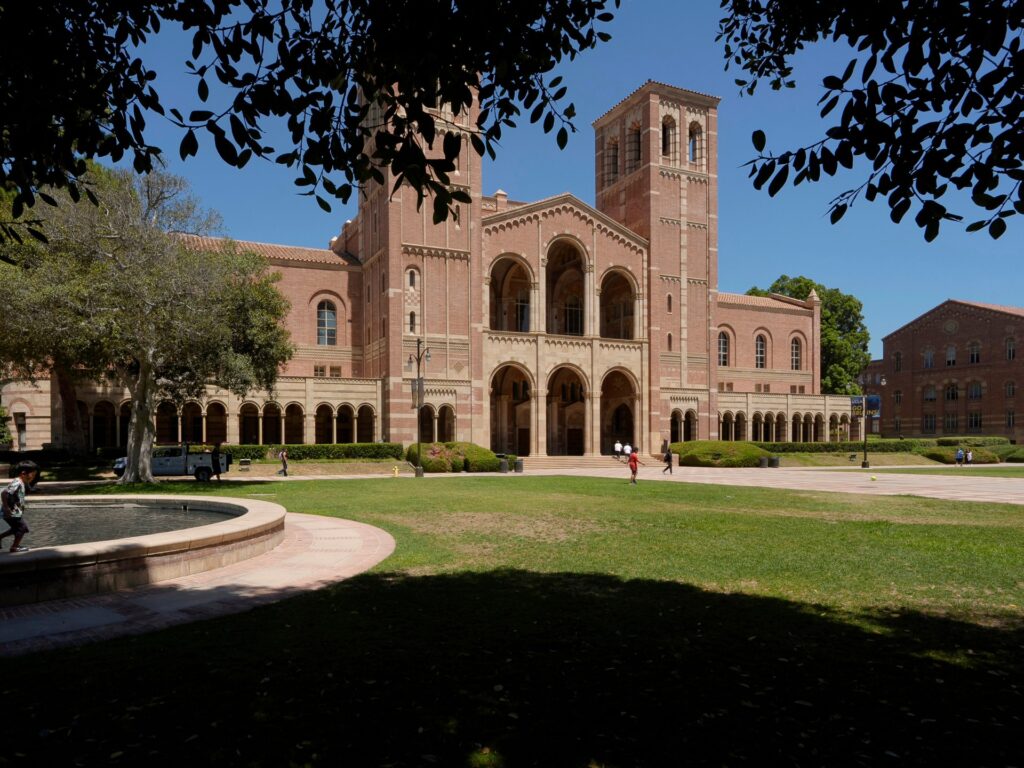
The US Department of Justice (DOJ) has initiated legal action against the University of California, Los Angeles (UCLA) over allegations of anti-Semitism on its campus. This move underscores rising concerns about the treatment of Jewish students and the atmosphere of tolerance in academic institutions. The lawsuit accuses UCLA of failing to adequately address incidents of anti-Semitic behavior and rhetoric, which has reportedly created a hostile environment for Jewish students.
According to the DOJ, UCLA has not taken sufficient measures to prevent or respond to anti-Semitic acts, which have been increasingly reported in recent years. The allegations point to a broader pattern of neglect that allegedly compromises the safety and inclusion of Jewish members within the university community.
The lawsuit by the DOJ arrives amid a complex political backdrop in which the Trump administration has sought to penalize pro-Palestine political activity across college campuses nationwide. Efforts during the administration included attempts to restrict activities perceived as supporting Palestine, with a focus on reducing political advocacy related to the Israeli-Palestinian conflict.
Particularly notable are the actions aimed at deporting foreign-born student activists who have been vocal in supporting pro-Palestinian causes. These students, often engaged in campus activism, faced increased scrutiny and immigration enforcement efforts as part of the broader political strategies employed by the administration.
The convergence of these issues highlights the sensitive intersection of free speech, political advocacy, and anti-Semitism on university campuses. Universities like UCLA have become battlegrounds for competing narratives and activism related to the Middle East conflict.
Student organizations and advocacy groups have expressed diverse viewpoints concerning the DOJ lawsuit. Some Jewish groups have welcomed the DOJ’s intervention as a necessary step to protect students from harassment and discrimination. Conversely, groups supporting Palestinian rights have criticized attempts to limit political expression and activism, framing them as infringements on free speech and academic freedom.
UCLA has responded to the lawsuit by reaffirming its commitment to fostering a safe and inclusive environment for all students. The university stated that it takes allegations of discrimination seriously and continues to work on implementing policies to counteract hate and promote diversity.
This litigation raises broader questions about the role of universities in balancing competing rights and interests on campus, particularly in contexts where international politics and identities intersect. Advocates emphasize the importance of enabling robust dialogue and activism while ensuring protection from hate and discrimination.
Legal experts observe that the outcome of the DOJ lawsuit could set important precedents for how universities nationwide address allegations of anti-Semitism and political activism related to contentious international issues. The case is likely to be watched closely by educators, policymakers, and civil rights advocates.
As the case proceeds, it draws attention to ongoing challenges in managing campus climates that are inclusive and respectful, even amid deep ideological and political divides. The balance between safeguarding free expression and preventing harassment remains a critical and evolving concern for American higher education institutions.
The DOJ’s lawsuit against UCLA thus reflects broader societal debates about tolerance, civil rights, and political expression within educational settings, highlighting the complex dynamics that universities must navigate today.