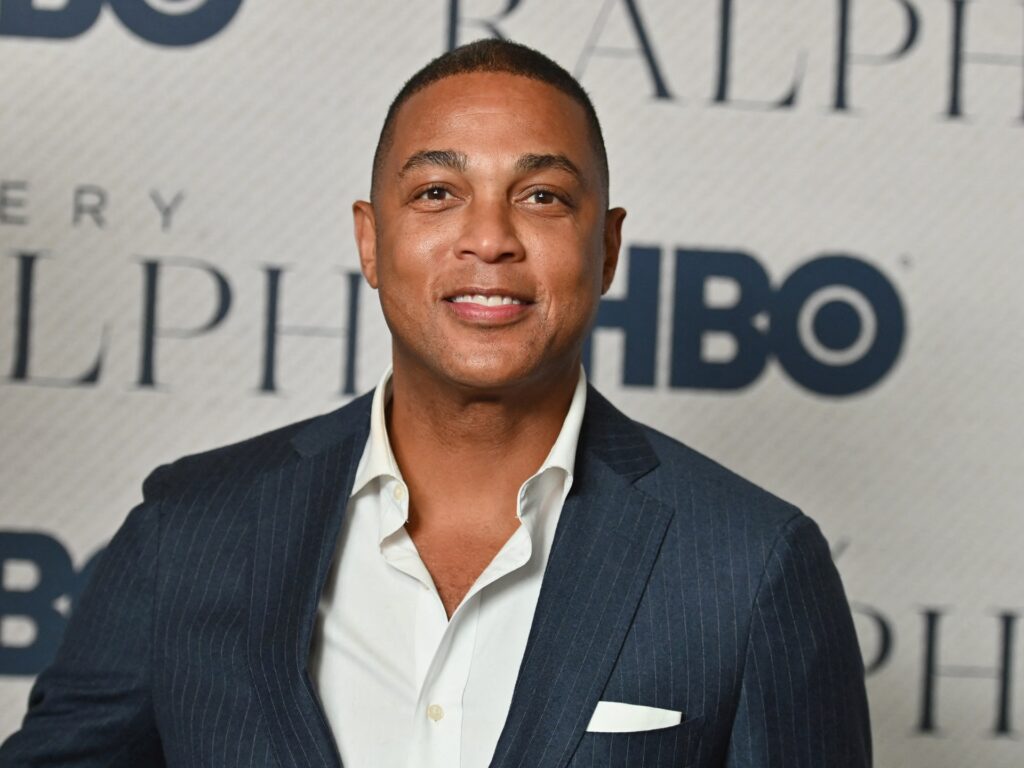
Don Lemon, former CNN anchor, was recently arrested in connection with a protest against the U.S. Immigration and Customs Enforcement (ICE) in Minnesota. The arrest has sparked significant reactions from press freedom organizations, which have condemned the action.
The protest, which drew attention to ICE’s policies and practices, saw Lemon actively participating, leading to his detainment by authorities. Details regarding specific charges have not been fully disclosed, but Lemon’s legal team has committed to fighting the charges “vigorously”.
Press freedom groups have expressed deep concern over what they see as an attack on journalistic freedom and the rights of journalists to cover and participate in demonstrations that hold powerful institutions accountable. They emphasize that journalists like Lemon play a crucial role in shedding light on governmental actions, particularly those involving sensitive issues such as immigration enforcement.
Legal experts note that Lemon’s case could set important precedents about the rights of journalists during protests, especially regarding their freedom to document and engage in civil disobedience without fear of arrest.
The Minnesota ICE protest is part of a broader national conversation about immigration policies, law enforcement practices, and civil rights. Lemon’s involvement has brought increased media attention to the protest and the issues it highlights.
Don Lemon’s arrest has ignited debates on social media and in newsrooms nationwide, reflecting polarized opinions about protest tactics, the role of journalism in activism, and law enforcement responses.
His lawyer has assured the public and supporters that all appropriate legal measures will be taken to defend Lemon’s rights, underscoring a determination to challenge the charges and to protect journalistic freedoms.
This incident adds to ongoing discussions about the balance between civil disobedience, lawful protest, and the boundaries of journalistic conduct. It raises questions about how journalists can participate in social justice movements without compromising their professional responsibilities or legal standing.
As the case unfolds, many are watching closely to see the implications it may have for future protests and for the broader fight to uphold freedom of the press in the United States.