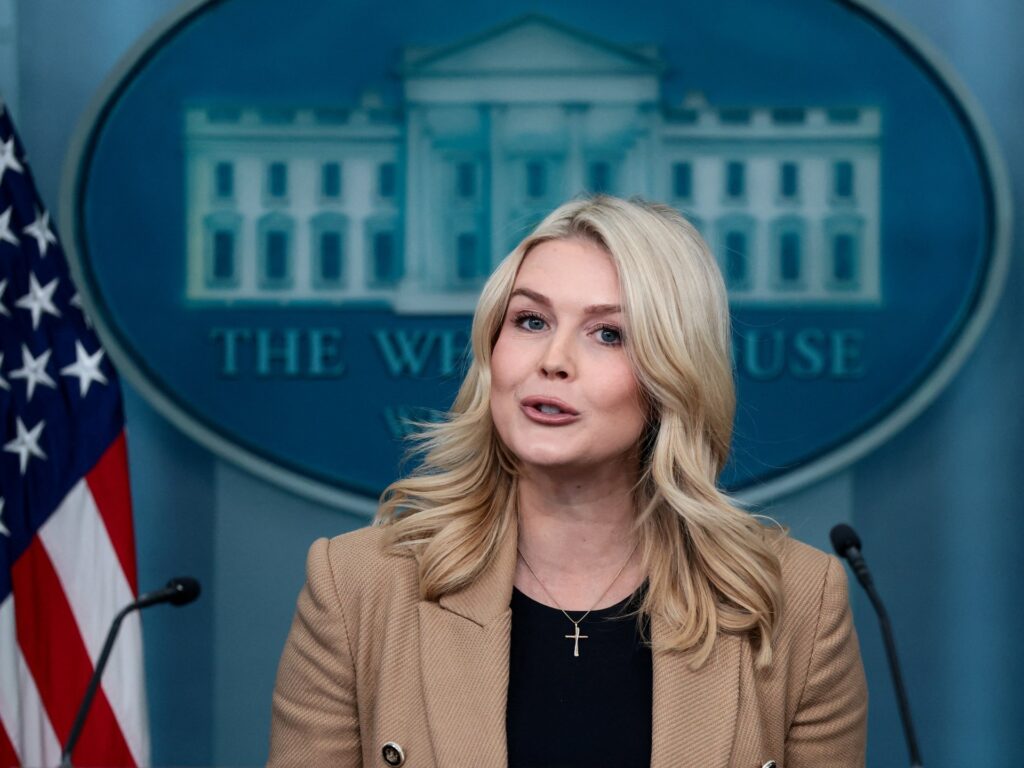
The United States government has issued a stern warning to Iran amid ongoing unrest and violent crackdowns on protesters within the country. The US declared that “all options are on the table” if the Iranian regime continues to kill demonstrators during the recent wave of protests. This statement comes amidst reports of mounting violence and escalating tensions in Iran.
During the Trump administration, officials reiterated the threat of “grave consequences” should Iran proceed with executing protesters. However, the administration stated that most executions of Iranian protesters have currently been halted, signaling a potential de-escalation in the harsh retaliatory measures.
Iran has been facing widespread protests triggered by various social, economic, and political issues. Many protesters have been detained or killed, which has drawn international condemnation. The US stance reflects an intensified focus on human rights abuses and a readiness to impose severe repercussions if the situation worsens.
The phrase “all options on the table” typically implies the possibility of a broad spectrum of responses — including diplomatic, economic, and potentially military measures — though the US government has not specified any particular course of action. The warning aims to pressure the Iranian leadership to refrain from further violence against civilian demonstrators.
International observers and human rights organizations closely monitor Iran’s handling of protests, urging restraint and respect for civilian rights. The US message adds to the chorus of global concern and highlights the geopolitical stakes involved in the ongoing conflict.
In the backdrop, the Trump administration’s approach represents a tough stance on Iran’s domestic policies and human rights record. This position aligns with broader US foreign policy goals to counter Iran’s influence in the Middle East and address security issues.
The halting of executions may be a strategic move by Iran to avoid exacerbating tensions or triggering harsher international penalties, but the situation remains volatile. Should the Iranian government resume lethal crackdowns, the US has made clear it is prepared to respond decisively.
Overall, this development underscores the fragile and critical state of affairs in Iran, where citizens demanding reforms face severe repression, and international actors grapple with how to intervene or support the protesters effectively. The world watches closely as the crisis continues to unfold, with the US poised to act depending on Iran’s next moves.