The United States has taken a firm stance on freedom of speech by denying visas to five European individuals, including a former European Union commissioner. The US government accuses these individuals of attempting to suppress American viewpoints, particularly on social media platforms.
This move reflects growing tensions between the US and some European figures over online speech regulation. The accused are alleged to have pushed for censorship measures that limit what Americans can express online, actions that the US government deems as a threat to fundamental democratic principles and freedom of expression.
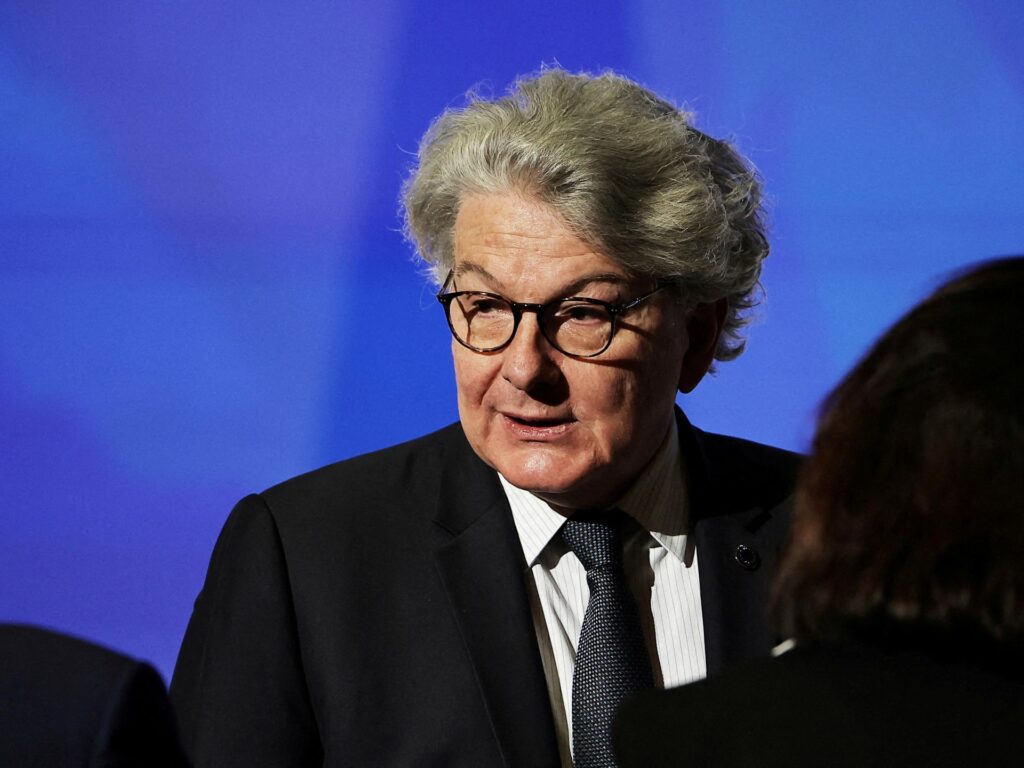
Among those barred from entry is a former EU commissioner, highlighting the seriousness with which the US is treating these allegations. The other four individuals involved reportedly have similar roles or influences in pushing for such policies across different European countries.
The decision to deny visas is unusual and underscores the US commitment to protecting free speech. Officials have emphasized that these actions aim to send a clear message that attempts to restrict American expression, especially by foreign actors, will have consequences.
The controversy centers largely on how social media platforms are regulated globally. While European countries have generally endorsed stricter controls to curb misinformation and hateful content, the US prioritizes safeguarding free discourse. This divergence has caused friction in international relations, particularly concerning the global governance of digital platforms.
Free speech advocates in the US have welcomed the visa bans as a necessary deterrent against foreign interference in domestic debates. Critics, however, warn that such measures may escalate diplomatic tensions and complicate transatlantic cooperation on broader issues.
The US State Department has not disclosed all the details of the alleged efforts to censor American viewpoints, citing security and privacy reasons. However, it has reaffirmed its dedication to defending constitutionally protected rights and ensuring that American voices remain heard on all platforms.
This development is part of a larger, ongoing discourse on international influence over national policies concerning social media governance. As the digital space continues to evolve, the balance between combating harmful content and preserving free expression remains a significant challenge for governments worldwide.
The barred Europeans are expected to respond to these accusations, which may lead to further discussions or legal proceedings. Meanwhile, the US stance signals a firm approach to protecting the rights of its citizens against perceived external censorship attempts.
This incident adds complexity to US-European relations at a time when collaboration on many fronts is crucial. It highlights the delicate balance between respecting different regulatory philosophies and protecting fundamental freedoms.
Overall, the US action serves as a clear warning and a statement of principle about the importance of free speech and the risks associated with foreign interference in domestic affairs. It remains to be seen how the situation will develop and what long-term implications it will have for international dialogue on digital rights and governance.