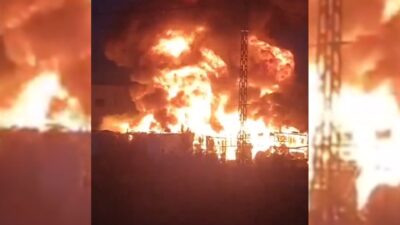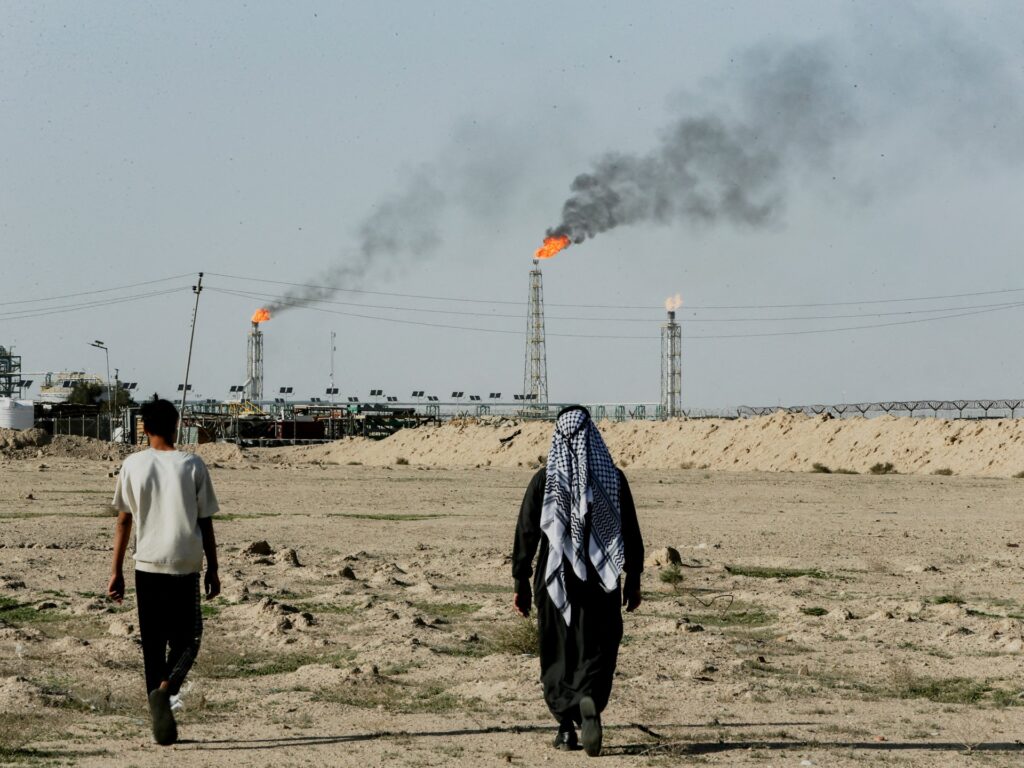
Iraq has recently taken decisive action by dismantling an alleged oil smuggling ring operating in Jurf al-Sakhar. This crackdown marks a significant step in the country’s efforts to curb illegal activities that fund militias and exacerbate internal tensions. Oil, being Iraq’s most valuable resource, has long been exploited through smuggling networks that jeopardize the nation’s economic stability and security.
The smuggling ring uncovered was reportedly channeling significant amounts of oil out of state control, thereby depriving the government of revenue essential for public services and reconstruction efforts. More critically, the illicit profits are believed to have financed various militia groups that maintain considerable influence within Iraq’s complex political and security landscape.
Militias in Iraq, often armed and politically entrenched, have been both a source of resistance against external threats and a catalyst for internal instability. They possess substantial military capabilities and control over territories, which complicates government efforts to enforce law and order. These groups have thrived in part due to the financial resources garnered from illicit activities like oil smuggling.
The recent crackdown, therefore, could serve a dual purpose: striking at the economic lifeline of these militias while reinforcing state sovereignty. By dismantling this smuggling network, the Iraqi government aims to reduce the financial and operational capacity of armed militias, potentially disarming them indirectly.
Experts observe that this approach might help avoid direct conflict with militias, which could lead to widespread violence and further destabilization. Instead, targeting their economic foundations offers a strategic pathway to diminish their influence without open confrontation.
This operation also sends a message of the government’s increasing willingness and capability to tackle corruption and lawlessness, which are crucial for Iraq’s long-term stability. Strengthening state institutions and rule of law is essential to prevent the resurgence of militant groups and to foster national unity.
However, challenges remain. Militias have deep-rooted connections and alternative revenue sources, and the government must sustain these crackdowns consistently. Failure to do so might only result in a shift or adaptation of smuggling routes and strategies.
International observers and local communities alike hope that these efforts will lead to a more secure and stable Iraq. Success in this crackdown could encourage similar operations elsewhere, further restricting militia influence throughout the country.
In conclusion, Iraq’s recent oil smuggling crackdown in Jurf al-Sakhar represents a critical move to weaken militant groups financially while promoting peace. If managed carefully, it could disarm militias without sparking new conflicts, paving the way for a stronger, more unified Iraq.