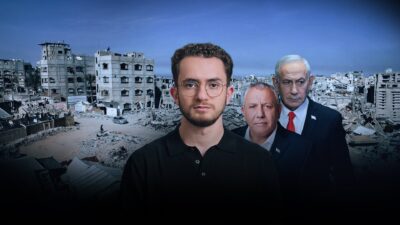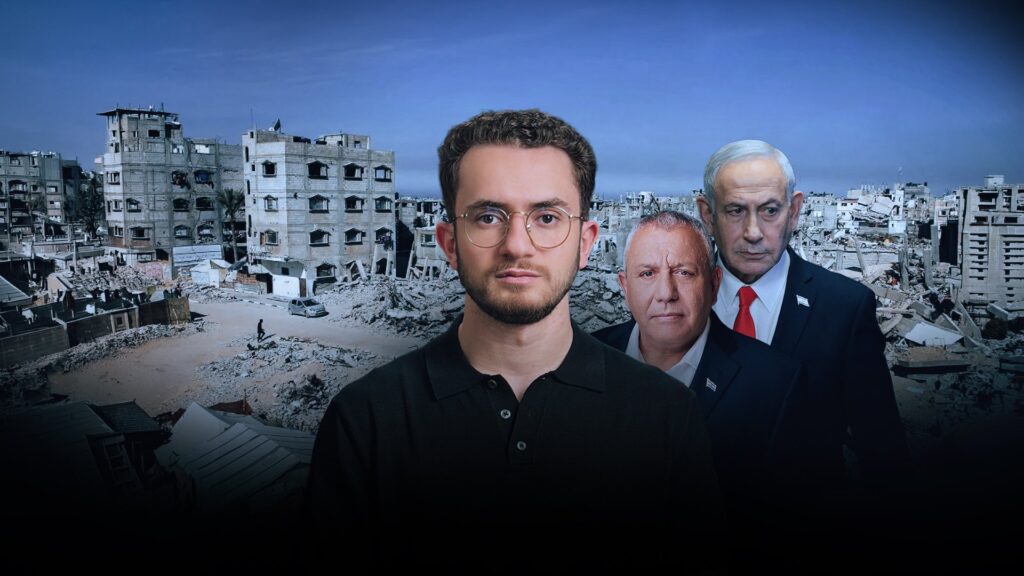
In Gaza, a heartbreaking mass funeral took place for 70 Palestinians whose lives were claimed when their bodies were trapped under rubble following recent violence. The ceremony underscores the human cost of ongoing conflicts in the region, a somber reminder amid escalating tensions.
The tragedy unfolds as Israeli Prime Minister Benjamin Netanyahu faces mounting pressure to maintain his grip on power. His political stability seems intertwined with the unfolding conflict, adding a complex layer to the already volatile situation.
The mass funeral was marked by a heavy atmosphere of grief and outrage, with families and community members mourning the loss of their loved ones. The event drew international attention, highlighting the urgent need for resolution and humanitarian assistance in the conflict-stricken area.
Netanyahu’s administration has been navigating internal and external challenges, trying to balance political survival with the security concerns of Israel. The turmoil in Gaza complicates efforts for peace and stability, with civilian casualties fueling further animosity.
Observers note that the political landscape in Israel is being heavily influenced by the conflict’s developments. Netanyahu’s stance and decisions will likely impact both domestic policies and international relations moving forward.
Meanwhile, in Gaza, the destruction and loss of life are a harsh reality for many residents, emphasizing the dire consequences of prolonged conflict and instability.
The mass funeral serves as a stark reminder of the urgent need for diplomatic solutions and the protection of civilian lives amidst geopolitical struggles. As Netanyahu clings to power, the hope for a peaceful resolution remains vital but uncertain, with the human toll underscoring the stakes involved.
This tragic event in Gaza is a microcosm of the broader regional tensions that have persisted for decades. The international community continues to call for measured responses and dialogue aimed at ending the cycle of violence.
For many in Jerusalem and beyond, the image of the mass funeral is both a symbol of pain and a call to action, urging leaders and citizens alike to seek paths toward peace and reconciliation.
Going forward, the interplay between political leadership and the humanitarian situation in Gaza will be closely watched, as each development carries the potential to either escalate or de-escalate the ongoing crisis.
The mass funeral in Gaza not only commemorates the lives lost but also casts a spotlight on the deep-rooted challenges facing the entire region. It underscores the profound impact of political decisions on real human lives and the relentless demand for justice and accountability in times of war.
In the coming days, regional and international actors may intensify efforts to address the fallout, with hopes of fostering stability and preventing further loss of life. The situation remains fluid, with each event potentially shaping the future course of Israeli-Gazan relations and the wider Middle East dynamics.