In a tense escalation of conflicts in the Gulf region, Bahrain has reported intercepting what it described as ‘treacherous’ attacks launched by Iran. This development comes amid growing concerns from Gulf nations who have jointly warned against ongoing support from the United States, which they perceive as a contributor to heightened hostility in the region.
The attacks mark a significant increase in tensions between Iran and its neighboring Gulf countries, which have historically been fraught due to political, religious, and economic disputes. Bahrain, a key ally of the US and a member of the Gulf Cooperation Council (GCC), has taken a firm stance in defending its territory against perceived Iranian aggression.
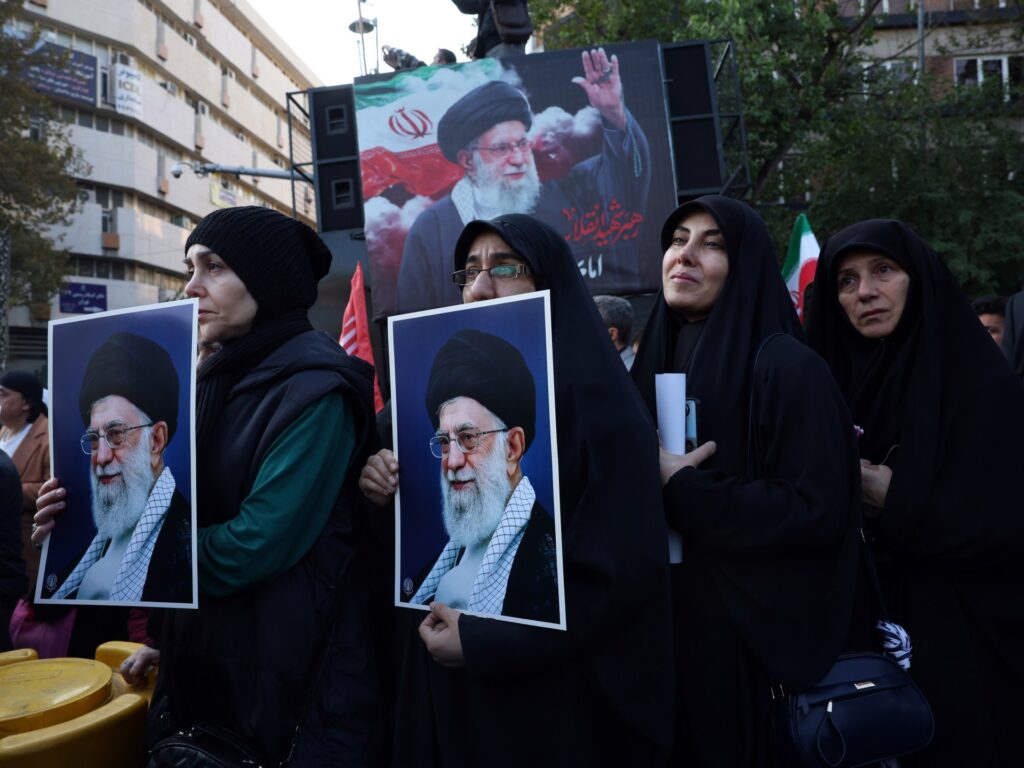
Gulf nations, including Saudi Arabia, the United Arab Emirates, and Kuwait, have expressed their alarm over the escalating violence and have called for restraint on all sides. The involvement of the US in supporting some Gulf countries has been criticized by Iran, which views the American military presence and alliances as provocations that fuel conflict.
The recent interception by Bahrain’s defense systems reportedly thwarted a series of missile or drone strikes aimed at strategic locations within the kingdom. Though details remain limited, officials emphasized the importance of vigilance and preparedness against future threats.
Diplomatic efforts are ongoing amid calls from international actors for dialogue and de-escalation. The United Nations and various global leaders have urged both Iran and Gulf states to engage in constructive discussions rather than pursuing military confrontations.
Economic impacts are also a concern, as instability in the Gulf can disrupt global oil supplies and affect international markets. The Gulf is home to some of the world’s busiest shipping lanes, making security there crucial for international trade.
The current situation underscores the fragile nature of peace in the Gulf and the broader Middle East. With the US positioned as a supporter of several Gulf states and Iran asserting its regional influence, the risk of a broader conflict remains a significant concern.
Analysts suggest that diplomatic channels need strengthening and new frameworks for security cooperation should be explored to prevent further escalations. The balance between deterrence and diplomacy will be key in maintaining regional stability.
As Bahrain recovers from the latest attacks, the Gulf countries are expected to enhance their defense postures. Cooperation with international allies, including the US, is likely to continue, though Gulf states have simultaneously called for a reduction in foreign military footprints to ease tensions.
The international community watches closely, aware that developments in the Gulf can have far-reaching implications for global peace and security. Continued dialogue, vigilance, and a commitment to peaceful resolution will be vital in navigating the complexities of this volatile situation.