The Saudi-led coalition has successfully intercepted two missiles and two drones launched towards Riyadh, marking a significant escalation in tensions related to the ongoing conflict in Yemen. This development comes as intense fighting continues in Yemen’s Marib and al-Jawf regions, where clashes between Saudi-backed forces and Houthi rebels have intensified recently.
Since August, the conflict in Yemen has forced over 340,000 Yemenis to flee their homes, according to reports from a United Nations agency. The displacement crisis compounds the already dire humanitarian situation in Yemen, which has been ravaged by years of civil war.
The missile and drone intercepts occurred as the coalition strengthened its defensive efforts to protect the Saudi capital from cross-border attacks originating from Yemen. While the exact source of the attacks has not been officially confirmed, Houthi forces have frequently targeted Saudi cities in retaliation for coalition airstrikes.
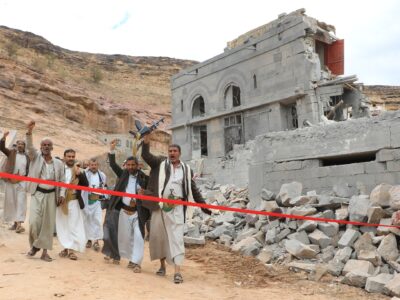
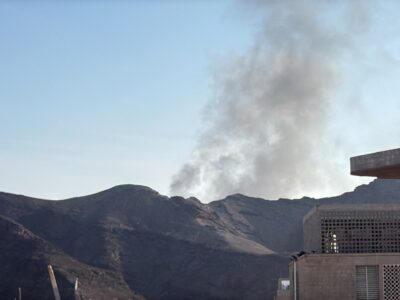
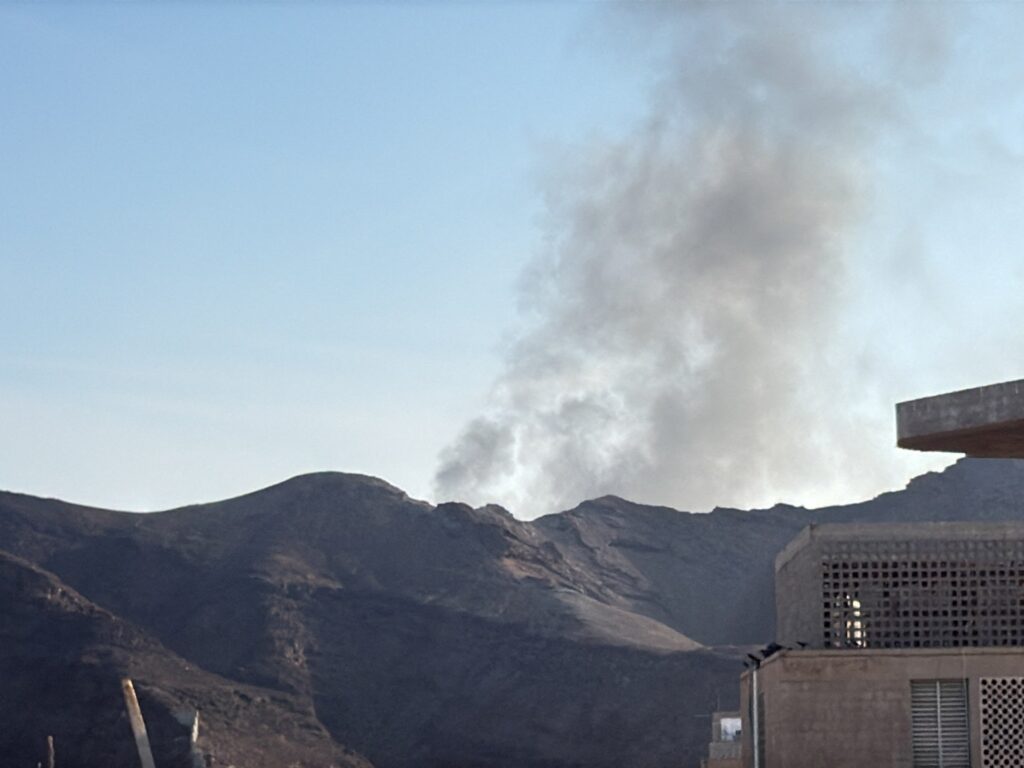
Marib, a key oil-rich province in Yemen, continues to witness heavy combat as government forces battle to retain control against advancing Houthi fighters. Similarly, al-Jawf has become a battleground with reported casualties and destruction escalating in recent weeks.
The UN displacement figures highlight the severity of the conflict’s impact on civilians. With more than 340,000 Yemenis uprooted in just a few months, the humanitarian crisis is mounting. Many displaced individuals are in urgent need of food, shelter, medical care, and protection.
International agencies and local organizations have been struggling to provide aid amid ongoing hostilities, access restrictions, and infrastructure damage. The conflict has hindered delivery of essential services, worsening the plight of vulnerable populations.
The escalation of attacks on Saudi territory signals a potentially widening scope of the conflict, which has largely been fought within Yemen’s borders until recently. Saudi authorities have reiterated their commitment to defending their people and sovereign territory against hostile actions.
Efforts to broker peace in Yemen remain challenged by distrust between negotiating parties, complex geopolitical interests, and continued military engagements on the ground. However, international calls for ceasefire and dialogue persist as humanitarian needs become more urgent.
The situation underscores the urgency for renewed diplomatic efforts and enhanced humanitarian support to prevent further suffering and displacement in the region. Both regional and global stakeholders are watching closely as the conflict in Yemen and its spillover effects evolve, impacting stability and security in the Arabian Peninsula.