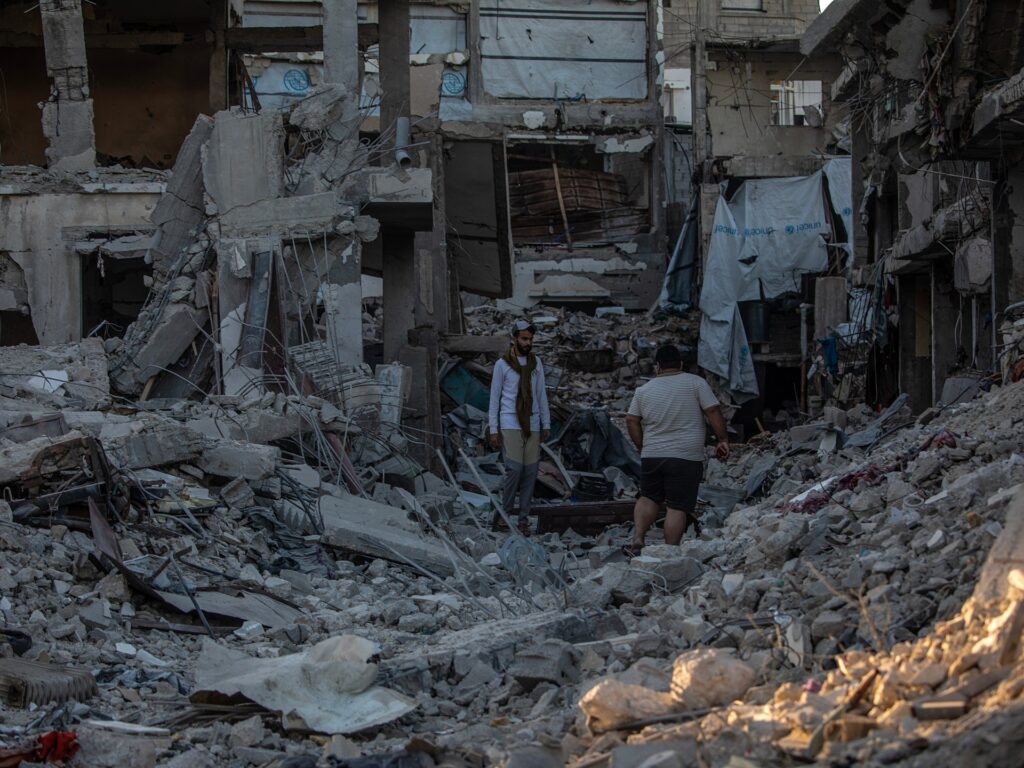
The volatile situation in the Middle East continues to escalate as Israel has reaffirmed its commitment to maintain an ‘offensive policy’ against Gaza despite being in a caretaker government status. The declaration comes amidst heightened tensions and ongoing conflict in the region, particularly with the war in Yemen drawing international attention.
Israel’s stance reflects a firm position to pursue aggressive military strategies in Gaza, signaling no shift in policy despite political uncertainties at home. This resolve indicates that the caretaker government, often marked by limited legislative power, is determined to uphold strong defense measures to combat what it perceives as ongoing threats emanating from Gaza.
The conflict in Gaza has long been a focal point of regional instability, with periodic escalations leading to significant humanitarian consequences. Israel’s promise to continue its offensive strategies underscores its priorities in maintaining security and pressure on Hamas, the governing body in Gaza, which Israel and several other countries classify as a terrorist organization.
Meanwhile, the war in Yemen adds a complex layer to Middle Eastern geopolitics, with multiple factions and foreign powers involved in a prolonged and devastating conflict. Yemen’s war has strained regional dynamics, amplifying security concerns for neighboring countries including Israel.
Analysts suggest that Israel’s commitment to an offensive approach, even during a politically transitional phase, aims to deter adversaries from exploiting any perceived weakness. The ongoing Yemen conflict further complicates the security calculus, as regional alliances and hostilities are tested.
International reactions to Israel’s declaration have been mixed, with some nations expressing concern over the potential for increased violence and humanitarian impact. Diplomatic efforts to address the crises in both Gaza and Yemen continue amidst these challenges.
As the region grapples with multiple conflicts, Israel’s vow highlights the enduring complexity and volatility of Middle Eastern affairs, emphasizing the intricate interplay between domestic politics and foreign policy decisions in times of instability.