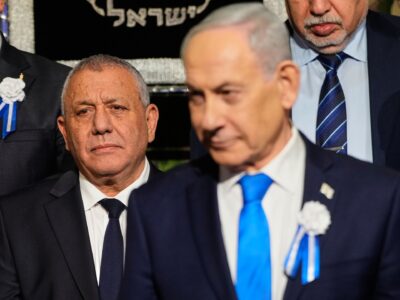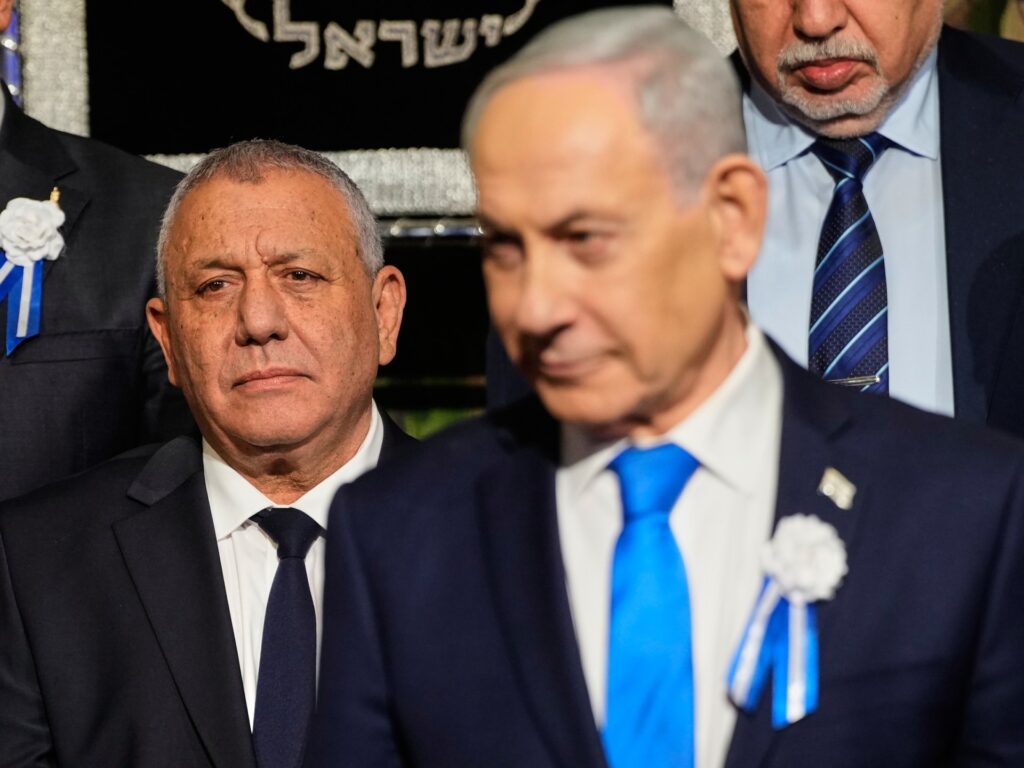
In a critical development within Israeli politics, Prime Minister Benjamin Netanyahu has emphasized that only a unity government can guarantee the country’s security. Speaking at a pivotal moment as Israel faces ongoing political instability, Netanyahu highlighted the need for broad cooperation among differing political factions to address the challenges confronting the nation.
Netanyahu’s call comes as significant talks are underway, with a crucial vote pending in the Knesset to appoint a new speaker. The political atmosphere is tense, as the formation of the next government remains uncertain.
Meanwhile, Benny Gantz, the leader tasked by the president with forming the government, has dismissed Netanyahu’s appeal, labeling it as mere “tricks.” Gantz is under pressure to navigate a fragmented political landscape where no single party holds a clear majority.
The stakes are high for Israel’s future governance and security, as political deadlock could undermine the country’s ability to respond effectively to internal and external threats. Netanyahu argues that divisive politics risk leaving Israel vulnerable and that unity in government is essential to maintaining national security.
Eisenkot, who is currently responsible for forming a government, urged all parties to move beyond political gamesmanship and focus on the country’s needs. His comments reflect growing concern that prolonged negotiations and political maneuvering could lead to instability.
As the Knesset prepares for the upcoming vote on the speaker—a role that is central to the legislative process and government formation—both Netanyahu and Gantz are actively campaigning for support.
Political analysts note that the appeal for a unity government suggests an awareness among all leaders of the precarious security situation Israel faces. They also indicate that despite disagreements, cooperation might emerge as a pragmatic response.
The unity proposal aims to bring together a coalition that transcends typical partisan divides, combining right-wing, centrist, and possibly left-wing parties to forge a stable administration.
Many voters and observers are watching closely to see if political leaders can set aside differences and work together or if the deadlock will continue, risking snap elections and prolonging uncertainty.
The Israeli public is reportedly divided, with some supporting Netanyahu’s call for unity to ensure security, while others agree with Gantz that fresh leadership and new alliances are necessary.
In the background of these political maneuvers is a complex regional security environment, with threats that require a cohesive and decisive government response.
The outcome of the Knesset speaker vote will not only influence government formation but could also signal shifts in Israel’s political direction.
Observers suggest that while Netanyahu’s unity government vision aligns with the nation’s security priorities, practical challenges in achieving such a coalition remain significant.
The political future of Israel, therefore, hinges on whether leaders can reconcile their differences within the narrow timeframe before further instability ensues.
This episode underscores the intricate balance between security concerns and political strategy within Israeli governance, highlighting the critical role leadership choices play in the country’s stability and safety.