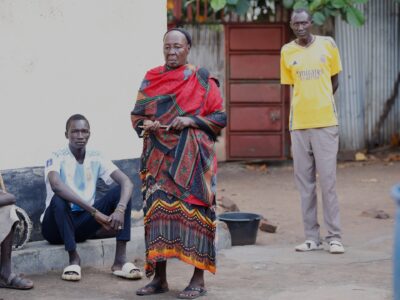
In the war-torn city of Taiz, Yemen, health officials have raised urgent alarms about a looming health crisis exacerbated by ongoing siege conditions. While official records indicate a decline in infection rates, experts warn that these figures mask a deeper, worsening reality. The siege has not only restricted access to essential medical supplies and healthcare services but has also led to deteriorating sanitation and living conditions, creating a perfect storm for the spread of infectious diseases.
Taiz, one of Yemen’s largest cities, has been a focal point of conflict, with a protracted siege limiting food, medicine, and clean water supplies. These constraints have severely impacted the city’s healthcare infrastructure, leaving many unable to access treatment or preventive measures. Health officials express concern that the reported drop in infections is largely due to underreporting, as many patients cannot reach health facilities or obtain testing.
The siege’s impact extends to affecting routine vaccinations and disease monitoring programs, which are critical in controlling outbreaks. Without timely immunizations, the population is increasingly vulnerable to preventable diseases such as cholera, measles, and diphtheria. Furthermore, the lack of clean water and adequate sanitation has heightened risks of waterborne illnesses.
Reports indicate that diseases are spreading silently in neighborhoods cut off by the siege, worsening the public health landscape. Children and the elderly are particularly at risk, with malnutrition compounding their susceptibility to severe disease outcomes.
International humanitarian organizations have repeatedly called for the lifting of blockades and the expansion of humanitarian corridors to allow medical supplies and aid workers to reach the affected populations. However, access remains limited due to ongoing hostilities and political complexities.
Health officials urge the global community to recognize the hidden crisis in Taiz, stressing that the visible decrease in reported infections should not lead to complacency. They emphasize the need for immediate action to restore healthcare services, improve sanitation, and ensure the uninterrupted delivery of medicines and vaccines.
Without swift intervention, the siege threatens to transform manageable diseases into devastating epidemics, deepening the humanitarian catastrophe in Taiz and the broader region of Yemen. Efforts to end the siege and enhance healthcare capabilities are critical to preventing further loss of life and suffering.
In summary, the reduction in recorded infections in Taiz is a dangerous illusion. The siege is fueling an escalating health emergency, necessitating urgent humanitarian and political responses to safeguard the health of Yemen’s vulnerable populations.