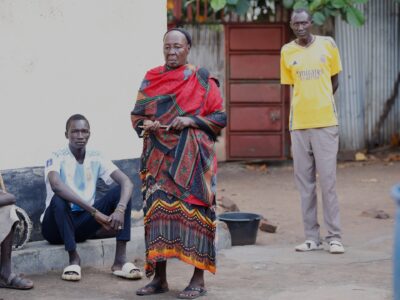
The city of Taiz in Yemen is currently facing a grave health crisis exacerbated by an ongoing siege, which health officials warn may be concealing a worsening disease outbreak. Despite a reported decline in the number of recorded infections, experts caution that these figures could be misleading, potentially masking a dire situation on the ground.
Taiz, Yemen’s third-largest city, has been under siege for several years amidst the country’s devastating civil conflict. The blockade has severely restricted access to essential goods and services, including medical supplies and healthcare. This has strained the city’s health infrastructure to the breaking point.
Local health authorities have expressed deep concern that the siege is contributing to underreporting of disease cases. Patients often face significant barriers to reaching healthcare facilities, such as roadblocks, violence, and the lack of transportation options. As a result, many infections go unrecorded, painting a falsely optimistic picture of the health landscape.
Waterborne diseases such as cholera and typhoid have historically been prevalent in Yemen, worsened by poor sanitation and lack of clean drinking water. The blockade has impeded efforts to deliver clean water and sanitation supplies, increasing vulnerability to outbreaks. Moreover, malnutrition and disrupted vaccination campaigns have weakened community immunity, compounding health risks.
The reduction in reported infections could also reflect diminished testing capacities. Health workers struggle to operate in dangerous conditions, and diagnostic materials are scarce. This situation complicates tracking the true spread of diseases and hampers timely intervention.
International humanitarian organizations have repeatedly called for the lifting of the siege to allow unhindered access for medical aid and essential humanitarian relief. They emphasize the urgent need to strengthen Taiz’s healthcare system, restore water and sanitation services, and resume vaccination efforts to combat the escalating public health emergency.
Residents of Taiz are living in a precarious state, caught between conflict-driven insecurity and a looming health disaster. The siege not only restricts their movement and livelihoods but also endangers their lives through the silent spread of communicable diseases.
In summary, the apparent decline in infection reports in Taiz is likely a deceptive indicator that understates a worsening health crisis fueled by the ongoing siege. Immediate action is crucial to address the multifaceted challenges and prevent further deterioration of conditions in this embattled city.