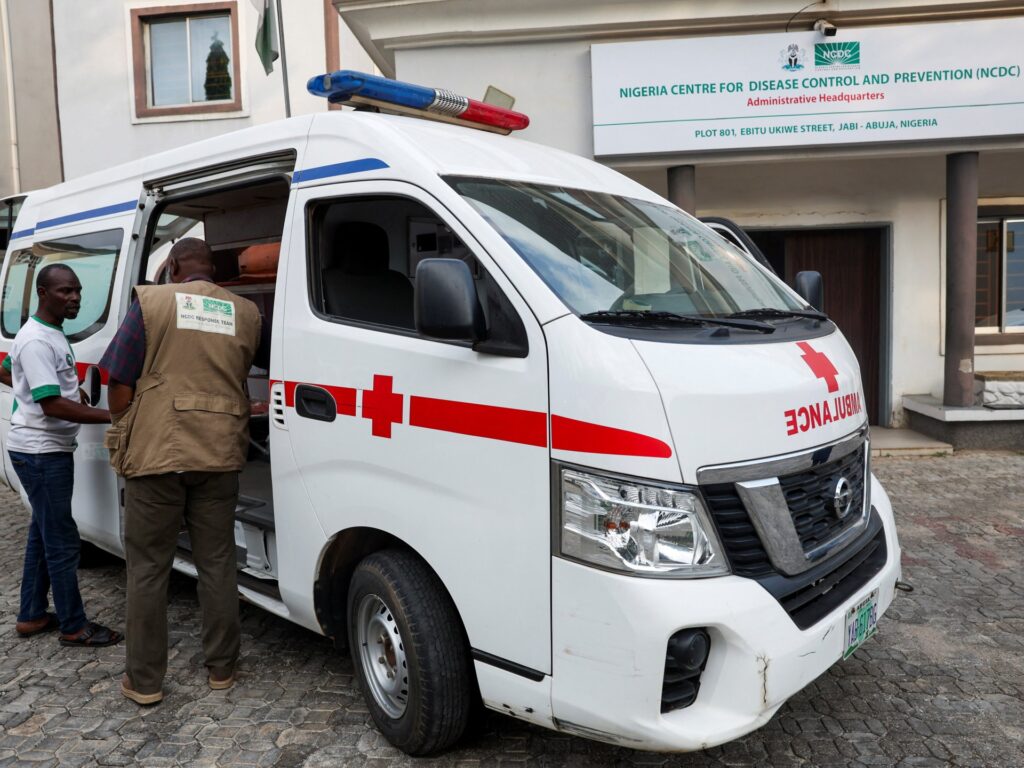
Nigeria has concluded a critical 21-day monitoring period for individuals who had contact with the country’s first reported Ebola case, with encouraging results. During this period, a total of 62 contacts were identified and closely observed by health authorities to prevent any further spread of the deadly virus.
Despite the high risk typically associated with Ebola virus transmission, none of these individuals developed the disease. This outcome highlights the effectiveness of Nigeria’s rapid response and containment measures following the initial case.
During the monitoring period, 13 of the contacts experienced fever, a common symptom associated with Ebola. However, upon further medical evaluation, none of these suspected cases were confirmed to have contracted the virus, alleviating fears of secondary transmission.
The successful monitoring and absence of secondary cases demonstrate the strength of Nigeria’s public health surveillance and response infrastructure. Swift identification, tracing, and close follow-up of contacts played a pivotal role in preventing a potential outbreak.
Ebola, known for its severe hemorrhagic fever and high fatality rates, requires rigorous containment protocols when a case is detected. Nigeria’s health authorities deployed a combination of contact tracing, daily medical checks, and community engagement to ensure that any signs of illness were promptly addressed.
Community awareness and cooperation were integral to the success of the monitoring efforts. Public health messages encouraged individuals to report symptoms immediately and adhere to preventive measures to safeguard themselves and the wider community.
The containment of the virus within a short period reinforces the importance of preparedness and effective response strategies in managing infectious diseases. Nigeria’s experience serves as a model for other countries in the region and worldwide, illustrating how coordinated public health interventions can halt the spread of deadly outbreaks.
Health officials continue to emphasize vigilance in future monitoring and readiness to respond swiftly should new cases arise. The recent developments affirm Nigeria’s commitment to safeguarding public health and preventing the resurgence of Ebola.
As the 21-day observation window ends without any secondary transmissions, Nigeria celebrates a significant public health victory. This milestone not only protects the lives of its citizens but also strengthens global efforts to control Ebola through proactive and sustained action.