As the conflict between Ukraine and Russia continues, European Union leaders are increasingly advocating for a significant role in the peace negotiations. Despite their efforts, the EU faces challenges in presenting a unified voice, complicating their quest to influence the forthcoming talks. Currently, the peace dialogue is largely perceived as being driven by the United States and Russia, raising concerns in Europe about being sidelined in decisions that will profoundly impact the continent’s security and political landscape.
EU leaders argue that a US-backed negotiation process, while instrumental in facilitating dialogues, risks allowing Moscow and Washington to unilaterally define the conflict’s resolution. This concern stems from Europe’s proximity to the conflict and its substantial stakes in regional stability, making the EU’s participation critical for a comprehensive and lasting peace agreement.
The lack of a unified stance within the EU is attributed to diverse national interests, economic ties with Russia, and varying perspectives on how to manage relations with Moscow post-conflict. Some member states advocate for a more confrontational approach, strengthening sanctions and supporting Ukraine robustly, while others emphasize dialogue and economic pragmatism.
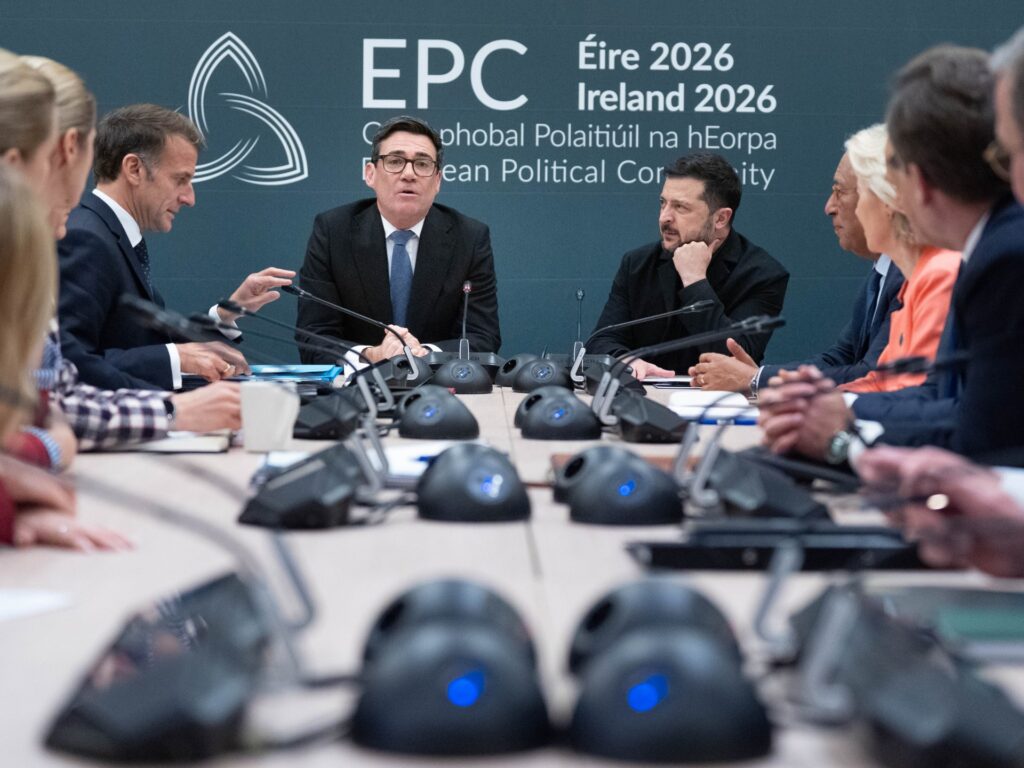
In recent summits, EU leaders have expressed their intent to consolidate their positions and present a coherent strategy to contribute effectively to peace efforts. They emphasize that Europe cannot afford to be spectators as decisions unfold on its doorstep, underscoring the need for a pan-European approach that balances diplomacy, security, and economic considerations.
This situation highlights the broader geopolitical implications of the Ukraine conflict, where major powers like the US and Russia exert significant influence, while regional organizations like the EU strive to assert their relevance. The outcome of the peace talks and the extent of Europe’s involvement will likely shape not only the future of Ukraine but also the security architecture of Europe for years to come.
The EU’s push for engagement also reflects a broader strategic goal: to reinforce its role as a global actor capable of mediating complex international disputes. By doing so, the EU aims to bolster its internal cohesion and project stability beyond its borders.
As the peace talks approach, the spotlight remains on whether Europe can overcome its internal divisions and emerge united in its efforts. A unified European stance could enhance the legitimacy and effectiveness of the peace process, ensuring that the continent’s interests and the aspirations of the Ukrainian people are adequately represented.
In conclusion, while Europe’s aspiration to participate in Ukraine peace talks is clear, the challenge lies in achieving unity among its member states. The stakes are high, and the path forward demands concerted diplomatic effort and strategic coordination. The success of these initiatives will be crucial for Europe’s security, the resolution of the Ukrainian conflict, and the future balance of power in the region.