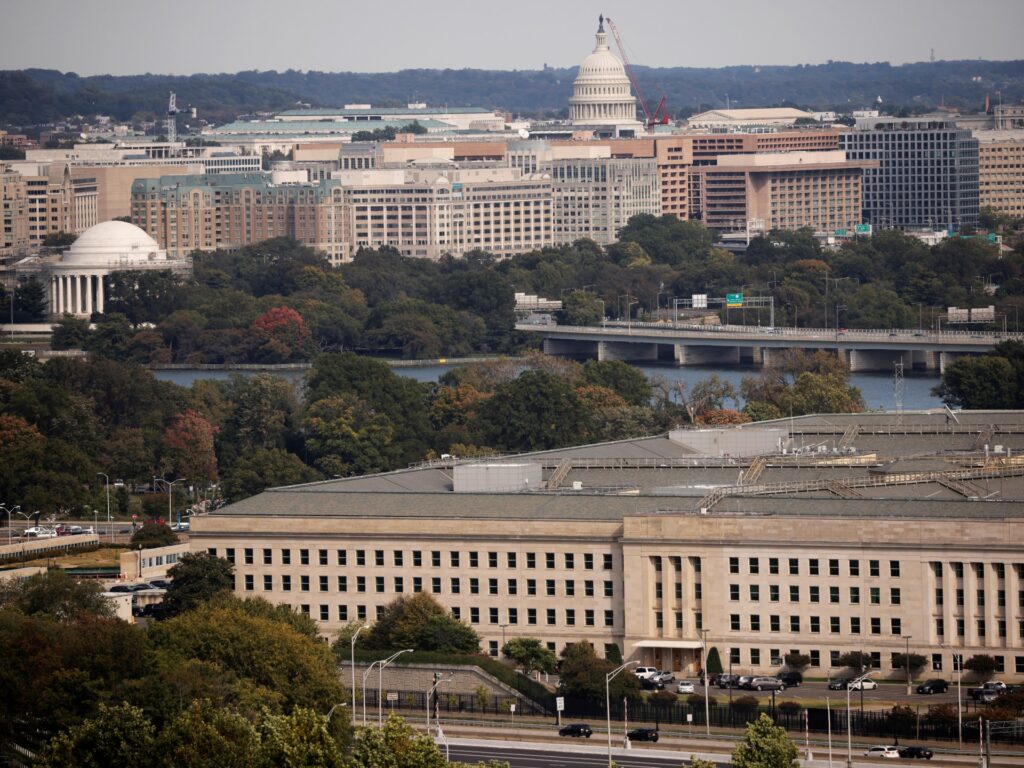
The recent midterm election results have strengthened the Democratic Party’s position in Congress, giving them increased leverage to make significant changes to the National Defense Authorization Act (NDAA). Among the potential revisions under consideration is the removal of a controversial provision that integrates US-Israeli military industries within Pentagon funding.
This move stems from growing debate within the party regarding the scope and nature of US military collaborations abroad, especially with Israel. The existing provision facilitates close cooperation between American and Israeli defense sectors, involving shared technology development and joint military-industrial initiatives. Advocates argue this partnership enhances national security and strengthens strategic ties with a key Middle Eastern ally.
However, some Democrats express concerns about the implications of such extensive military cooperation. Critics argue that the provision could entangle the US more deeply in regional conflicts and may not align with evolving foreign policy priorities under the current administration. There is also a broader push within the party to reassess defense spending and redirect funding towards domestic priorities, including healthcare, infrastructure, and social programs.
The emerging debate reflects a nuanced balancing act for Democrats, as they navigate between maintaining strong international alliances and responding to shifting public opinion on military engagement. The NDAA, a critical annual bill that authorizes defense spending and policy, serves as a strategic platform for these discussions.
If Democrats proceed with removing the US-Israel initiative from Pentagon funding, it would represent a significant policy shift and potentially reshape US-Israel military relations. Such a change would also likely provoke debate in Congress, requiring negotiation with Republicans and between moderate and progressive factions within the Democratic Party.
In recent years, US-Israel military cooperation has included missile defense collaboration, joint exercises, and shared intelligence efforts. This partnership is often cited as a pillar of American security strategy in the Middle East. Opposition to the provision may reflect broader reevaluations of US military commitments overseas and a preference among some lawmakers to focus resources more domestically.
As the NDAA discussions advance, stakeholders from the defense industry, foreign policy experts, and advocacy groups will intensify their lobbying efforts. The outcome of this potential overhaul in Pentagon funding could influence not only US military strategy but also geopolitical dynamics in the Middle East.
In conclusion, midterm gains have provided Democrats with an opportunity to challenge existing defense arrangements, including the integration of US and Israeli military industries. Whether the party will act decisively to strip this initiative from Pentagon funding remains to be seen, but the issue is poised to become a significant area of congressional debate and public discourse in the coming months.