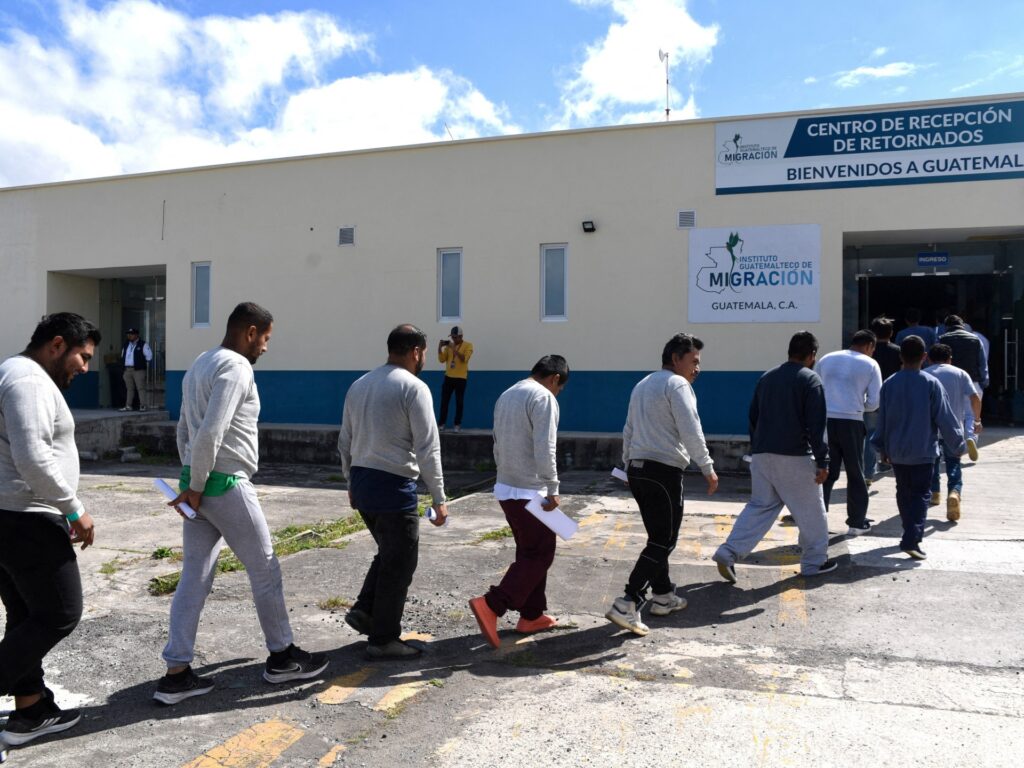
In 2026, the United States witnessed a significant surge in immigration enforcement activities, with the U.S. Immigration and Customs Enforcement (ICE) agency recording an unprecedented number of deportations. According to official reports, ICE carried out 483,200 deportations over the course of the year, setting a new record and far surpassing previous annual figures.
This sharp increase in deportation numbers has sparked controversy and debate across the political spectrum. Democratic lawmakers and advocacy groups have expressed strong concerns regarding the tactics and methods employed during these enforcement operations. Many Democrats have called for thorough investigations into the circumstances and protocols under which these deportations were conducted, raising questions about potential civil rights violations and the humanitarian impact of such aggressive enforcement policies.
Immigration experts point to a combination of stricter policy measures and enhanced operational capabilities of ICE as key factors contributing to the record numbers. These include expanded surveillance, increased cooperation with local law enforcement agencies, and the use of advanced technology to track and apprehend undocumented immigrants.
Critics argue that the aggressive tactics not only strain community relations but also disrupt families and local economies. Community leaders have voiced fears that such enforcement could lead to an atmosphere of fear and mistrust among immigrant populations, potentially discouraging communities from reporting crimes or cooperating with law enforcement.
The political ramifications are also significant. Democrats, preparing to launch investigations, aim to scrutinize the operational strategies of ICE and hold accountable those responsible for policies that may have led to overreach or abuse. The investigations may include hearings, testimonies from affected individuals, and calls for reforms to immigration enforcement practices.
Supporters of the increased deportations, mostly from the Republican side, argue that the measures are essential for national security and the rule of law. They contend that enforcing immigration laws strictly deters illegal entry and maintains order within the country.
As the nation grapples with these developments, the 2026 deportation figures have brought renewed attention to the complex and often contentious issue of immigration enforcement in the United States. The coming months are expected to see intense political debate, with potential policy shifts that could influence the future landscape of immigration law and enforcement.
The situation remains dynamic as investigations unfold and policymakers debate the balance between upholding immigration laws and protecting the rights and dignities of immigrants living in the U.S. The record-breaking deportation numbers in 2026 thus mark a pivotal moment in the ongoing national discourse on immigration policy and enforcement.