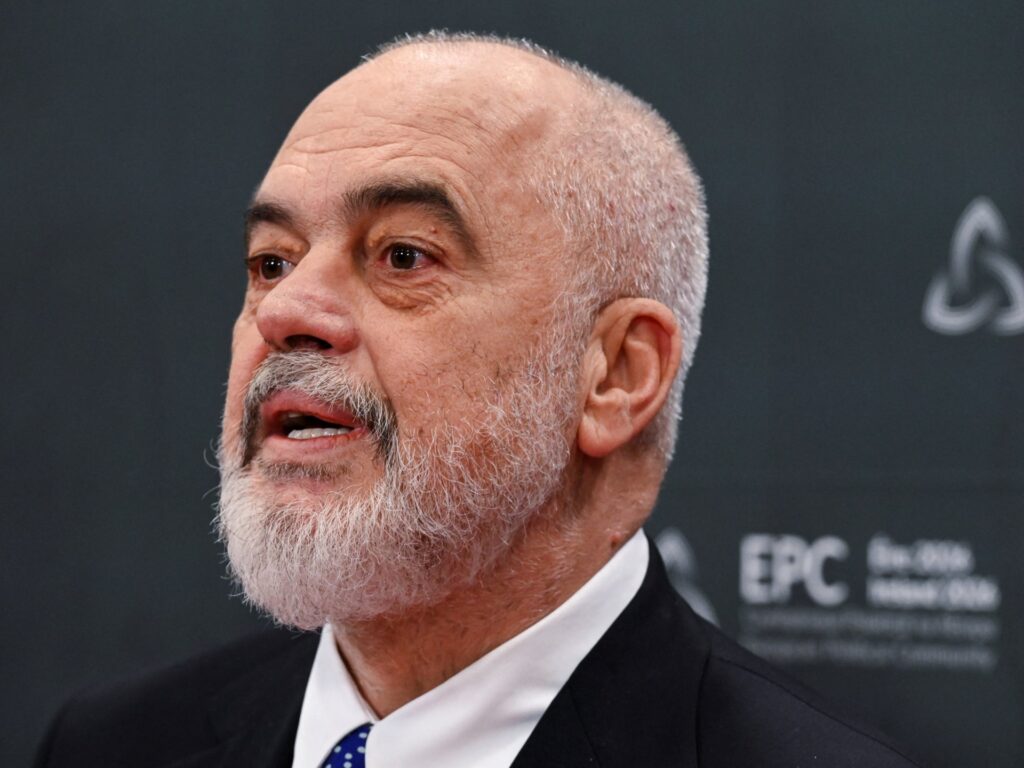
Albania’s Prime Minister Edi Rama has officially announced that the 2027 NATO summit will not be held in Tirana, the capital city, despite earlier expectations and hopes. This confirmation comes amidst mounting pressure on the government due to domestic unrest and external criticism regarding Albania’s defence commitments.
In recent months, Albania has faced increasing scrutiny over its defence spending, which has been considered insufficient by NATO allies. Defence expenditure is a critical measure for NATO members, reflecting their commitment to collective security and military readiness. Albania’s relatively low defence budget has sparked concerns among alliance members and has been a factor in the reshuffling of summit locations.
Prime Minister Rama’s announcement occurs at a time when his government is grappling with widespread protests across the country. These demonstrations have been driven by various socioeconomic and political grievances, adding to the challenges faced by the administration. The decision to move the summit away from Tirana is viewed in part as a setback for the Prime Minister and his agenda to elevate Albania’s international profile.
Holding a NATO summit is a prestigious event for any member state, offering an opportunity to showcase national progress and strengthen diplomatic ties. The initial prospect of hosting the 2027 summit in Tirana was seen as a milestone for Albania, reflecting its growing integration within the alliance and a chance to spotlight regional security issues.
However, Albania’s struggle with defence spending targets and internal instability has overshadowed these ambitions. NATO summits require strong security assurances and a demonstration of member states’ commitment to collective defence principles. The allocation of sufficient resources for defence infrastructure and military capability is essential for the successful hosting of such an event.
Critics argue that Albania’s domestic challenges, including economic pressures and political unrest, have hindered the government’s ability to meet NATO standards consistently. The prolonged protests have also raised concerns about stability and governance in the country, which are crucial factors considered by NATO when selecting summit venues.
In response to these criticisms, the Albanian government has emphasized ongoing efforts to increase defence spending and enhance military capabilities, despite fiscal constraints. The administration has stated its commitment to fulfilling NATO obligations and improving security cooperation.
The relocation of the 2027 NATO summit from Tirana serves as a reminder of the broader issues facing Albania within the alliance. It underscores the need for sustained reforms, increased investment in defence, and political stability to solidify the nation’s standing among NATO members.
Going forward, the Albanian government faces the challenge of balancing domestic demands with international expectations. Strengthening defence infrastructure and addressing internal dissent will be key priorities if Albania hopes to host major international events and maintain its credible role within NATO.
In conclusion, while the decision to not hold the 2027 NATO summit in Tirana is a disappointment for Albania, it highlights critical areas where progress is needed. The government must navigate a complex landscape of economic, political, and security challenges to regain confidence both at home and within the alliance. The coming years will be pivotal for Albania’s future as a committed NATO member and regional actor.