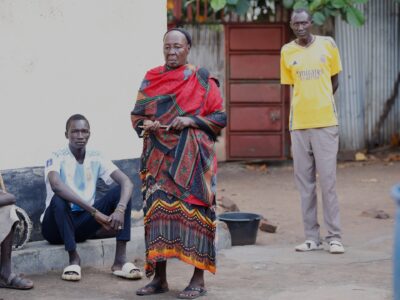
Yemen’s Taiz city is grappling with a severe health crisis exacerbated by an ongoing siege that impedes access to vital medical services and supplies. Health officials have raised alarms about the apparent decline in recorded infections, cautioning that the statistics may be misleading and could be masking a deepening epidemic. The siege has disrupted the distribution of medical aid and medicine, which is critical for managing infectious diseases and preventing outbreaks.
For months, residents of Taiz have endured restricted movement, food shortages, and lack of clean water—all conditions ripe for the spread of diseases. Infections such as cholera, dengue fever, and other contagious illnesses have threatened public health, particularly among vulnerable populations including children and the elderly. Despite reports indicating fewer new cases, health workers on the ground suspect that many infections go unreported due to the siege and the collapse of healthcare infrastructure.
The World Health Organization and local health authorities warn that this hidden crisis could lead to a public health catastrophe unless immediate humanitarian access is granted. Hospitals and clinics in Taiz face shortages of essential medicines, vaccines, and diagnostic tools, hampering efforts to control the spread of disease. Moreover, ongoing conflict deters healthcare professionals from working in the region, further reducing the capacity to respond effectively.
International aid agencies have called for an end to the siege to ensure the delivery of critical humanitarian assistance. They emphasize that without swift intervention, the health situation could deteriorate further, leading to preventable deaths. The residents of Taiz need urgent support to rebuild their health services, obtain clean water, sanitation, and nutrition, and receive treatment for infectious diseases.
This dire scenario in Taiz highlights the broader humanitarian impact of Yemen’s conflict, where millions face hunger, disease, and displacement. The health crisis is not just a medical issue but a consequence of prolonged political instability and warfare. Addressing it requires coordinated international efforts to alleviate the suffering of vulnerable communities and restore essential services.
As the siege continues, the risk of a large-scale outbreak looms, underscoring the urgent need for transparency, reporting, and access to healthcare. Experts stress that only through comprehensive intervention can the disease fears in Taiz be mitigated and hope restored to the city’s beleaguered population.