Skip to content
November 13, 2026
  • Facebook
  • Twitter
  • Instagram
  • Youtube
  • tiktok
MILLENNIUM NEWS 24/7

MILLENNIUM NEWS 24/7

Bridging The Community’s World Wide

  • Home
  • IP TV LIVE
  • U.S.News
  • LOCAL ELECTION
  • State News
    • Alabama
    • Alaska
    • Arizona
    • Arkansas
    • California
    • Colorado
    • Connecticut
    • Delaware
    • Florida
    • Georgia
    • Hawaii
    • Idaho
    • Illinois
    • Indiana
    • Iowa
    • Kansas
    • Kentucky
    • Louisiana
    • Maryland
    • Massachusetts
    • Michigan
    • Maine
    • Minnesota
    • Mississippi
    • Missouri
    • Montana
    • Nebraska
    • Nevada
    • New Hampshire
    • New Jersey
    • New Mexico
    • New York
    • North Carolina
    • North Dakota
    • Oregon
    • Pennsylvania
    • Rhode Island
    • South Carolina
    • South Dakota
    • Tennessee
    • Texas
    • Virginia
    • Washington
    • West Virginia
    • U.S. Virgin Islands
  • Politics
  • World News
  • Sports
  • Entertainment
  • Weather
  • Business
  • Health News
  • Urban Cultural Programs
  • ADVERTISEMENT
  • About Us
  • Contact us
Live TV

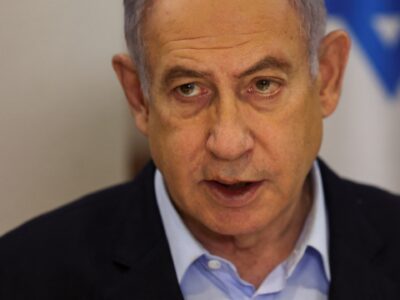
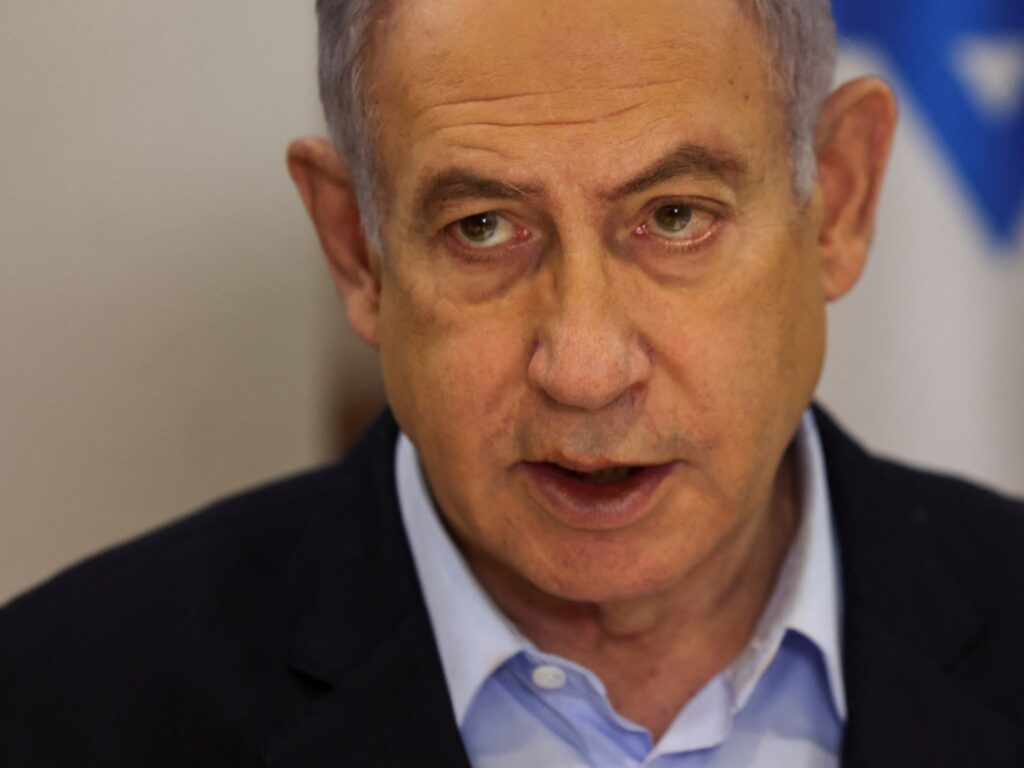
Iranophobia: Netanyahu’s Bid to Transform Fear into Political Survival

In recent years, the political climate surrounding Iran has been increasingly charged with fear and suspicion, largely driven by Israeli Prime Minister Benjamin Netanyahu’s strategic efforts. Netanyahu, known for his hawkish stance on Iran, has consistently portrayed the Iranian regime as an existential threat not only to Israel but to global security at large. This approach has notably intensified during periods of domestic political uncertainty, highlighting a calculated use of Iranophobia as a tool for political survival.

Netanyahu’s rhetoric frames Iran as a looming menace due to its nuclear ambitions and support for militant groups hostile to Israel. By emphasizing these threats, Netanyahu galvanizes support among his base and portrays himself as the defender of national security in times of peril. The tactic resonates deeply within Israel, where memories of conflict and existential threats run deep, allowing fear to translate into political capital.

Critics argue that Netanyahu’s Iran narrative serves dual purposes: justifying aggressive foreign policies and military preparations, and distracting from domestic issues that could undermine his position. These include corruption allegations and challenges in coalition governance. Hence, the emphasis on an Iranian threat often coincides with periods where Netanyahu’s political survival appears tenuous.

A concerning aspect of this strategy is the readiness among many supporters to embrace the possibility of conflict despite knowing that such a war might be more about preserving Netanyahu’s political power than addressing an immediate national threat. This phenomenon highlights the potent blend of fear, nationalism, and political maneuvering.

Internationally, Netanyahu’s framing of Iran influences global diplomatic dynamics. He urges allies, particularly the United States, to adopt harder stances on Iran, often warning of catastrophic consequences if Iran’s nuclear program goes unchecked. This insistence contributes to heightened tensions in the Middle East, complicating efforts toward diplomatic solutions.

The Iranophobia cultivated by Netanyahu has led to increased defense spending and military alertness in Israel, signaling readiness for potential conflict. Yet, opponents warn that perpetuating fear-driven policies risks destabilizing the region further, potentially triggering conflicts that might otherwise be avoidable.

The political survival strategy predicated on Iran fear is not unique to Netanyahu but represents a broader pattern in global politics where leaders use external threats to consolidate power. However, the stakes in this context are exceptionally high, given the potential for war in a volatile region.

Understanding Netanyahu’s Iranophobia strategy requires a critical examination of the interrelation between domestic politics, security perceptions, and international relations. The manufactured threat narrative serves to rally public opinion and justify policies that may prolong Netanyahu’s tenure but at a considerable cost to regional stability.

Moreover, this dynamic reflects a concerning trend where democratic processes are influenced by fear-mongering and political opportunism. Voters rally behind a leader who promises security, even if this promise leans on exaggerated or politicized threats.

In conclusion, Netanyahu’s bid to transform Iranophobia into political survival underscores the complexities of leadership in conflict-prone regions. While the genuine security concerns surrounding Iran merit attention, the use of such fears for personal political gain presents challenges for both Israeli democracy and regional peace. The international community must remain vigilant, promote transparent dialogue, and support diplomatic avenues to mitigate the risk of conflict perpetuated by politically motivated fear.
About Author

admin

See author's posts

Post navigation

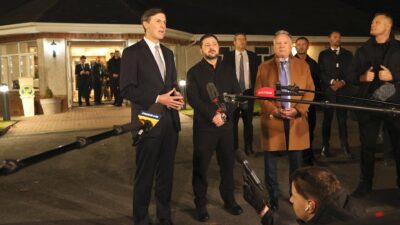
Previous US Envoys Shuttle Between Putin and Zelenskyy in Bid to Broker Russia-Ukraine Peace Deal
Next Texas Democrat Senator-Elect James Talarico Appeals to Trump’s Legacy for Bipartisan Reforms

Related Stories

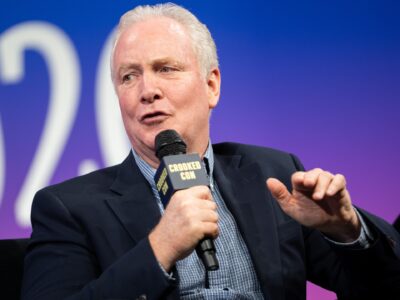
An Insight into US Senator Chris Van Hollen: Progressive Advocate and Anti-War Champion

An Insight into US Senator Chris Van Hollen: Progressive Advocate and Anti-War Champion

Texas Democrat Senator-Elect James Talarico Appeals to Trump’s Legacy for Bipartisan Reforms

Texas Democrat Senator-Elect James Talarico Appeals to Trump’s Legacy for Bipartisan Reforms

US Envoys Shuttle Between Putin and Zelenskyy in Bid to Broker Russia-Ukraine Peace Deal

US Envoys Shuttle Between Putin and Zelenskyy in Bid to Broker Russia-Ukraine Peace Deal

Entertainment

Golden Statue of Trump Mocking Vietnam Draft Deferment Installed by Anonymous Art Collective 1

Golden Statue of Trump Mocking Vietnam Draft Deferment Installed by Anonymous Art Collective

Remembering Shujaat Ali: The Esteemed Al Jazeera Cartoonist 2

Remembering Shujaat Ali: The Esteemed Al Jazeera Cartoonist

UK Children’s Author David Walliams Accused of Grooming Minors 3

UK Children’s Author David Walliams Accused of Grooming Minors

Meta’s AI Age-Check Goes Global: Can it Protect Teens? 4

Meta’s AI Age-Check Goes Global: Can it Protect Teens?

Russell Brand Sentenced to 10.5 Years for Sexual Assault 5

Russell Brand Sentenced to 10.5 Years for Sexual Assault

Al Jazeera.net Co-founder and Pioneer Cartoonist Shujaat Ali Passes Away at 54 6

Al Jazeera.net Co-founder and Pioneer Cartoonist Shujaat Ali Passes Away at 54

Meta Introduces Automated Age Verification for Teens Worldwide 7

Meta Introduces Automated Age Verification for Teens Worldwide

Top News

An Insight into US Senator Chris Van Hollen: Progressive Advocate and Anti-War Champion

An Insight into US Senator Chris Van Hollen: Progressive Advocate and Anti-War Champion

Texas Democrat Senator-Elect James Talarico Appeals to Trump’s Legacy for Bipartisan Reforms

Texas Democrat Senator-Elect James Talarico Appeals to Trump’s Legacy for Bipartisan Reforms

Iranophobia: Netanyahu’s Bid to Transform Fear into Political Survival

Iranophobia: Netanyahu’s Bid to Transform Fear into Political Survival

US Envoys Shuttle Between Putin and Zelenskyy in Bid to Broker Russia-Ukraine Peace Deal

US Envoys Shuttle Between Putin and Zelenskyy in Bid to Broker Russia-Ukraine Peace Deal

  • Home
  • About Us
  • Facebook
  • Twitter
  • Instagram
  • Youtube
  • tiktok
Editor: Nur M Tofader, Office: 250 Park Avenue, 7th Floor, New York, NY 10177 & Tell: 718 893 0002 (Office), 7188441300, +1212 401 6266, e-mail: Info@millenniuamtv24.com, e-mail: Info@millenniuamnews24.com, Copyright © Millennium News 24/7 | DarkNews by AF themes.