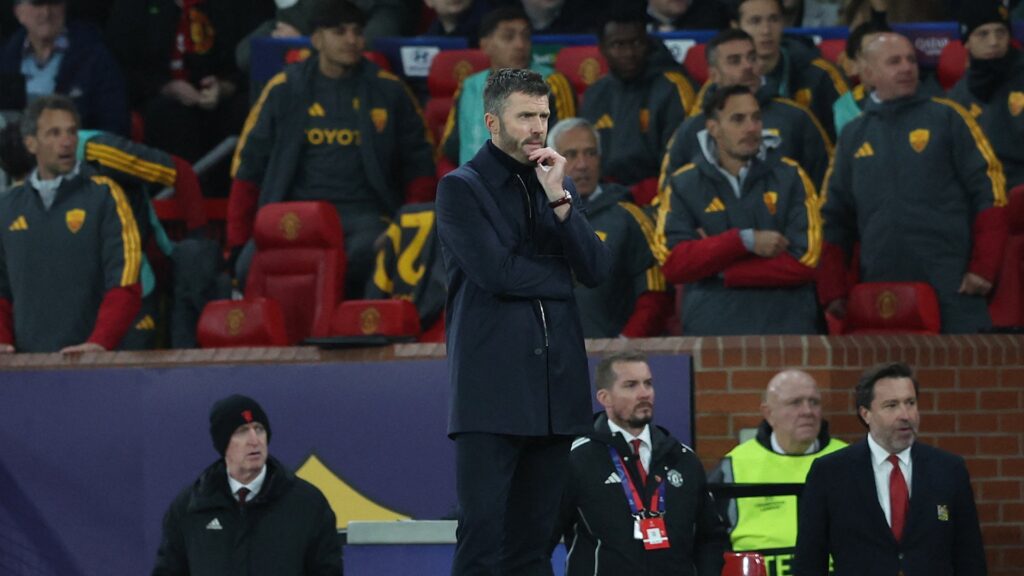
Manchester United has dismissed Michael Carrick from his position as the club’s manager. This decision marks Carrick as the third recent Manchester United manager to be relieved of duties midway through a season. The club, known for its passionate support and high expectations, has seen a turbulent period with frequent managerial changes, reflecting challenges in maintaining consistent on-field success. Carrick, who had stepped into the role with hopes of galvanizing the team, was unable to meet the club’s demanding objectives. The sacking underscores the pressure on Manchester United managers to deliver immediate results and the club’s willingness to act swiftly when performance falls short. This change continues a pattern of instability in the managerial position, raising questions about the club’s long-term strategic planning and approach. Fans and analysts now await news of the next appointee, hoping the new manager can steer Manchester United back to a trajectory of success. The club’s leadership is expected to announce a replacement soon, aiming to stabilize the team and improve performances for the remainder of the season. This managerial change is significant not only for Manchester United but also within the broader context of football, highlighting the intense scrutiny managers face and the high stakes involved in top-tier football management.