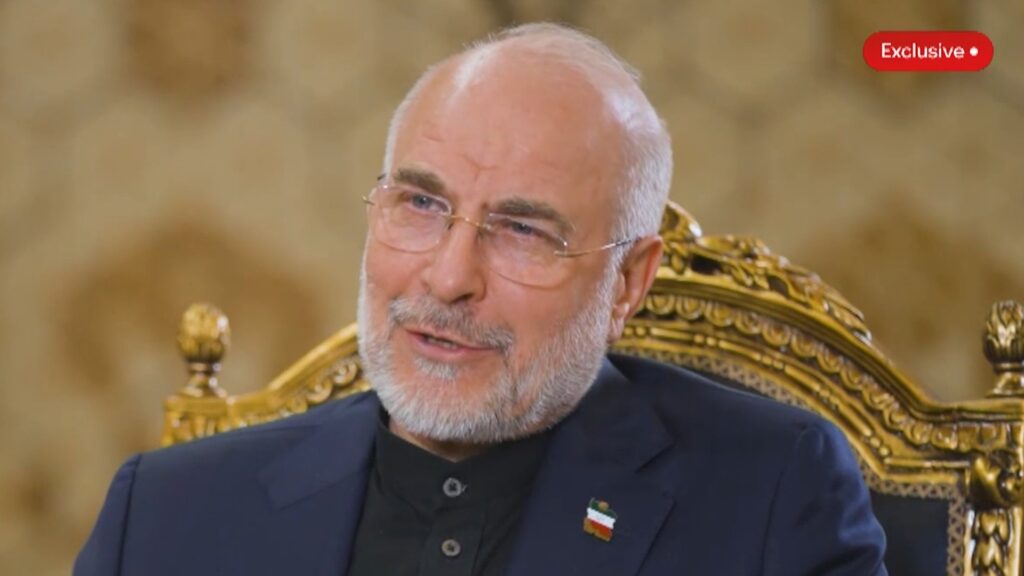
Iran’s chief nuclear negotiator, Mohammad Bagher Ghalibaf, has stated that Iran is willing to reach an agreement with the United States, provided that the US avoids making excessive demands that could undermine trust. In recent remarks, Ghalibaf emphasized that the atmosphere of negotiation must be free of actions that could create distrust between the two countries.
This statement comes amid ongoing efforts to revive the 2015 Iran nuclear deal, formally known as the Joint Comprehensive Plan of Action (JCPOA), which has faced significant challenges following the US withdrawal in 2018 and the imposition of severe sanctions on Iran.
Ghalibaf pointed out that Iran’s primary concern is the US’s approach in talks rather than the substance of the demands themselves. If the US acts with respect and refrains from what he called “excessive demands,” Iran would be open to finalizing a deal.
He stressed the importance of building mutual trust and confidence, noting that past breakdowns in diplomacy were largely due to US actions that Tehran perceived as unjust or heavy-handed. Iran seeks assurances that future agreements will be honored and that sanctions will be lifted in a verifiable and timely manner.
International observers have noted that the negotiating teams have made incremental progress, but deep-seated mistrust between the two nations remains a significant obstacle. The US has reiterated its commitment to preventing Iran from developing nuclear weapons, while Iran insists its nuclear program is for peaceful purposes only.
The Iranian parliament has also been vocal in asserting Iran’s rights under the nuclear Non-Proliferation Treaty (NPT), and any deal would need to respect those rights fully. Security concerns from both sides continue to complicate the diplomatic efforts.
Ghalibaf’s comments signal a possible softening stance from Iran’s negotiating team, which could open the door for renewed diplomacy. However, it remains unclear whether the US will respond positively by adjusting its negotiating position to ease tensions.
The international community, including European Union representatives and United Nations officials, continue to encourage dialogue between Iran and the US, seeing a revived deal as crucial to regional stability and global non-proliferation goals.
In summary, Iran’s chief negotiator is signaling readiness to engage constructively with the United States but underscores that success depends largely on the US refraining from demands that erode trust and complicate negotiations. The coming weeks will be critical in determining whether a mutually acceptable path forward can be found to restore the JCPOA and normalize relations.