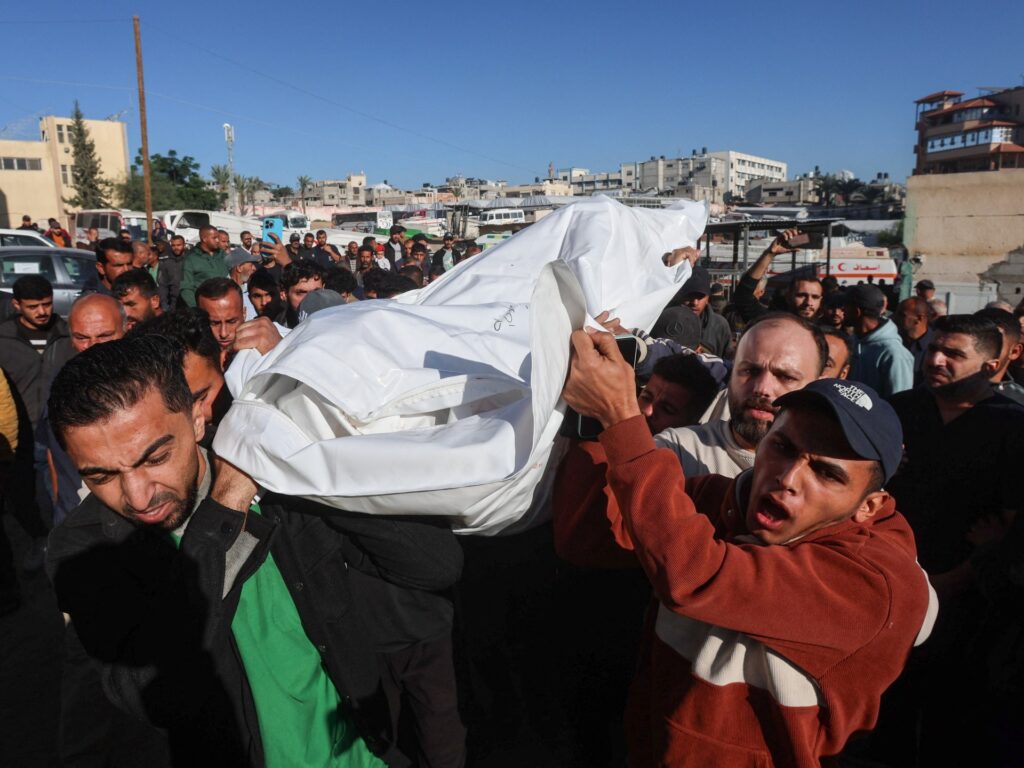
In the latest escalation of violence, a Palestinian doctor in Gaza has been killed, underscoring the devastating impact of Israel’s expanding military campaign on healthcare in Palestinian territories. This incident, described by human rights advocates as a “horrific crime,” highlights the severe challenges faced by medical professionals and healthcare facilities in both Gaza and the West Bank.
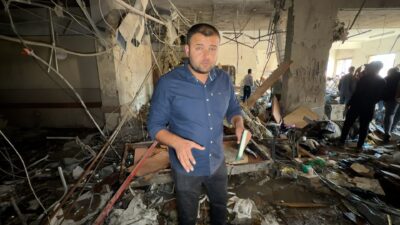
Israel’s military operations, which have intensified in recent months, include widespread airstrikes and ground incursions into Gaza. These actions have not only resulted in significant civilian casualties but have also disrupted critical healthcare services. Hospitals and clinics have been damaged or destroyed, ambulances have been targeted, and medical personnel have come under attack, severely compromising the ability to deliver urgent care.
The killing of the Gaza doctor is particularly alarming as it represents a direct attack on the medical community, which traditionally is protected under international humanitarian law. Medical professionals play a crucial role in conflict zones, providing care to the wounded and maintaining public health. The loss of any healthcare worker exacerbates the humanitarian crisis and undermines peace efforts.
Alongside the physical attacks, Israel’s policy of mass detentions has led to a further collapse of healthcare. Numerous Palestinian healthcare workers have been detained in the West Bank, limiting the available medical workforce. This reduces the treatment capacity and increases the strain on already overstretched hospitals.
The healthcare crisis caused by the military campaign has had multiple adverse effects:
1. **Hospital Overcrowding:** Injuries from ongoing fighting have overwhelmed emergency rooms and intensive care units.
2. **Shortage of Medical Supplies:** Blockades and restricted access have led to severe shortages of essential medicines, medical equipment, and fuel needed for hospital generators.
3. **Psychological Trauma:** The chronic exposure to violence, loss, and insecurity has triggered widespread mental health issues among the Palestinian population, with limited psychological support available.
4. **Impaired Chronic Disease Management:** Patients with chronic illnesses face difficulties in accessing routine care, medication, and follow-up treatments.
International organizations, including the World Health Organization and Doctors Without Borders, have repeatedly called for the protection of healthcare infrastructure and workers in the conflict zones. They stress the importance of uninterrupted medical services to the civilian population amidst hostilities.
Furthermore, human rights groups have condemned the attack on the doctor in Gaza, labeling it a violation of international law and urging immediate investigations. They warn that targeting healthcare not only worsens the humanitarian situation but also may constitute war crimes.
The international community continues to urge both parties to respect principles of humanitarian law and ensure safe passage and protection for medical personnel and facilities. There is a growing demand for ceasefires and negotiations to prevent further deterioration of the healthcare system, which is vital for saving lives and fostering long-term stability.
This incident is a stark reminder of the human cost of conflict, particularly when innocent civilians and essential services come under fire. The death of a Gaza doctor serves as a tragic symbol of the broader devastation inflicted on Palestinian healthcare during Israel’s ongoing military campaign. Sustained efforts are urgently needed to restore health services, protect healthcare workers, and bring about a peaceful resolution to the crisis.