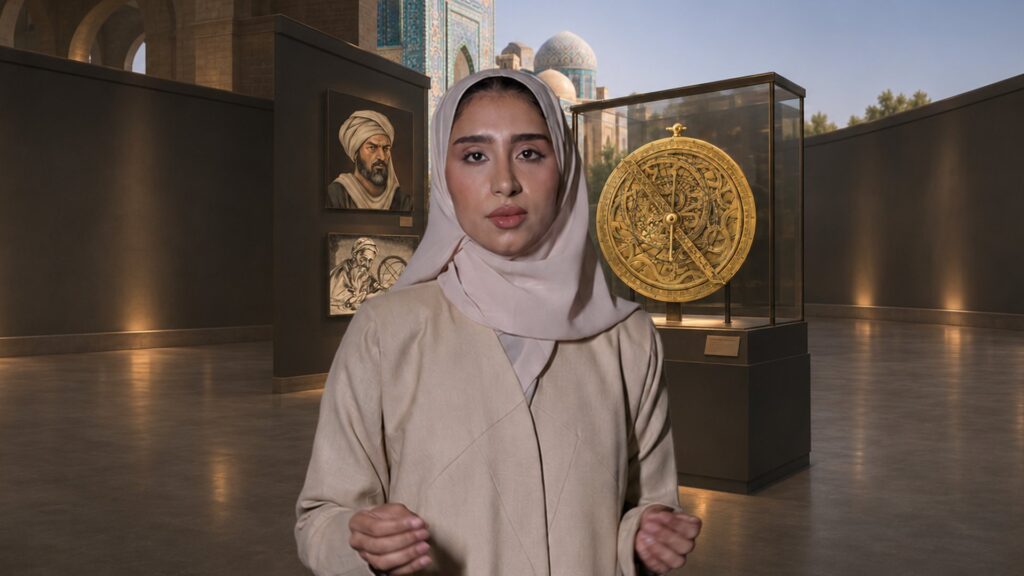
Uzbekistan, a country known for its rich history and diverse cultural heritage, stands as a vibrant crossroads of Central Asian cultures. This unique blend of influences is currently being celebrated in a remarkable exhibition held at Qatar’s Museum of Islamic Art. The exhibition showcases a wide array of intercultural artifacts that narrate the story of Uzbekistan’s historical role as a hub of trade, culture, and innovation along the ancient Silk Road.
The Museum of Islamic Art in Qatar has curated this exhibit to highlight the multifaceted cultural exchange that Uzbekistan has experienced over centuries, serving as a melting pot for various ethnic groups, traditions, and artistic expressions. Visitors to the exhibition can explore an extensive collection of artifacts, including textiles, ceramics, manuscripts, jewelry, and architectural fragments that reflect the synthesis of Persian, Turkic, Mongol, and Arab influences in the region.
Central to the exhibition is the illumination of Uzbekistan’s historical cities such as Samarkand, Bukhara, and Khiva, which were renowned centers of learning, commerce, and religious scholarship. These cities contributed significantly to the Islamic Golden Age and continue to symbolize Central Asia’s rich cultural and spiritual legacy.
The exhibition also delves into the craftsmanship and artistic techniques that were developed and perfected in Uzbekistan, particularly in the field of tile work, calligraphy, and manuscript illumination. These artistic achievements not only served religious purposes but were also expressions of social identity and intercultural dialogue.
Moreover, the exhibit highlights the role of intercultural interactions facilitated through the Silk Road trade routes, which connected East and West, bringing goods, ideas, and people together. Uzbekistan’s strategic geographic location made it a vital link in these networks, influencing the region’s economic and cultural development.
By presenting these artifacts, the Museum of Islamic Art aims to foster a better understanding of Central Asia’s pivotal role in global history and the enduring legacy of Uzbekistan as an intercultural bridge. The exhibition invites scholars, historians, and the general public alike to appreciate the depth and diversity of Central Asian cultures through the lens of Uzbekistan’s rich heritage.
The display at the Museum of Islamic Art in Qatar is more than a mere collection of objects; it is a celebration of human creativity and the power of cultural exchange. It underscores how Uzbekistan’s position at the crossroads of civilizations has contributed to a rich tapestry of artistic and cultural achievements that continue to inspire and educate.
Overall, this exhibition offers a comprehensive look into the intercultural dynamics that have shaped Uzbekistan and Central Asia, reinforcing the importance of preserving and understanding cultural heritage in an increasingly interconnected world.