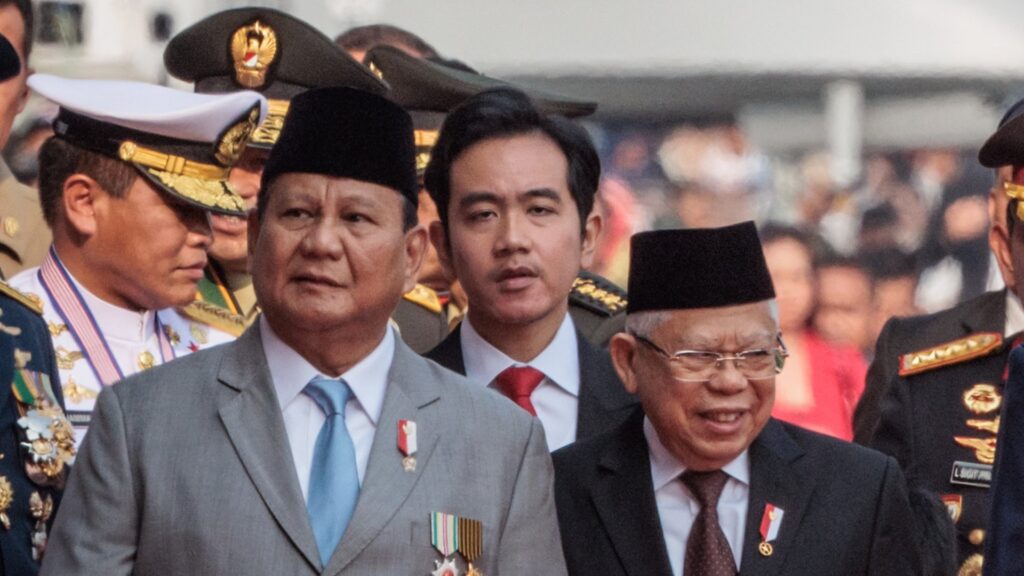
In a significant political development in Indonesia, Vice President Gibran Rakabuming Raka has officially tendered his resignation amid a growing controversy over the authenticity of his educational qualifications. The resignation marks a pivotal moment in the nation’s political landscape, reflecting the heightened scrutiny public officials face regarding their backgrounds and credentials.
Gibran Rakabuming Raka, who has served as Indonesia’s Vice President, found himself at the center of a dispute that questioned the legitimacy of his academic achievements. The controversy reportedly began when discrepancies in records about his educational qualifications surfaced in the media and among political circles, leading to public outcry and demands for transparency.
The education qualification row has sparked intense discussions across Indonesia’s political and social arenas. Many citizens expressed their concerns about the integrity of elected officials and the processes in place for vetting candidates prior to appointment. Critics argue that such incidents undermine public trust and highlight the necessity for rigorous verification mechanisms.
In his resignation statement, Gibran acknowledged the issue but maintained his dedication to serving the Indonesian people. However, he conceded that stepping down was the best course of action to preserve the dignity of the office and allow the government to focus on addressing pressing national matters without distraction.
The Indonesian government has yet to announce a replacement for the Vice President, but political analysts suggest that the ruling party will likely move quickly to nominate a successor to maintain stability. The incident underscores the importance of transparency and accountability in public service and may lead to reforms in how qualifications are assessed for high-ranking officials.
This development also raises broader questions about educational standards and certification processes within Indonesia, prompting calls for reform in the education sector to prevent future discrepancies. Educational institutions and government bodies may face increased pressure to ensure the accuracy and validity of academic credentials.
International observers have noted that Indonesia’s swift handling of the situation reflects a maturing democracy willing to confront challenges related to governance and public accountability. The controversy and resignation could serve as a catalyst for stronger institutional frameworks and improved governance practices.
As Indonesia moves forward from this episode, the focus will likely turn toward rebuilding public confidence in its leaders and reinforcing the systems that safeguard integrity in public office. The coming weeks will be critical in shaping the political narrative and determining the direction of the country’s leadership.
In summary, the resignation of Vice President Gibran Rakabuming Raka amidst the education qualification controversy highlights the complex interplay between personal credentials and public trust in Indonesia’s political sphere. It serves as a reminder of the critical role transparency and accountability play in maintaining democratic values and effective governance.