The Middle East is witnessing an alarming escalation in conflict as Iran has issued stern warnings to European nations about potential retaliation, alongside increased military tensions between Israel and Gaza. The current situation has intensified following Israel’s recent military actions in Gaza, which have drawn global attention and criticism.
In a significant development, Israel has ordered its military forces to enhance their readiness for a possible attack on Iran. This move signals a heightened state of alert and preparation within the Israeli defense establishment, reflecting growing concerns about Iran’s regional activities and the threat perceived from its nuclear and missile programs.
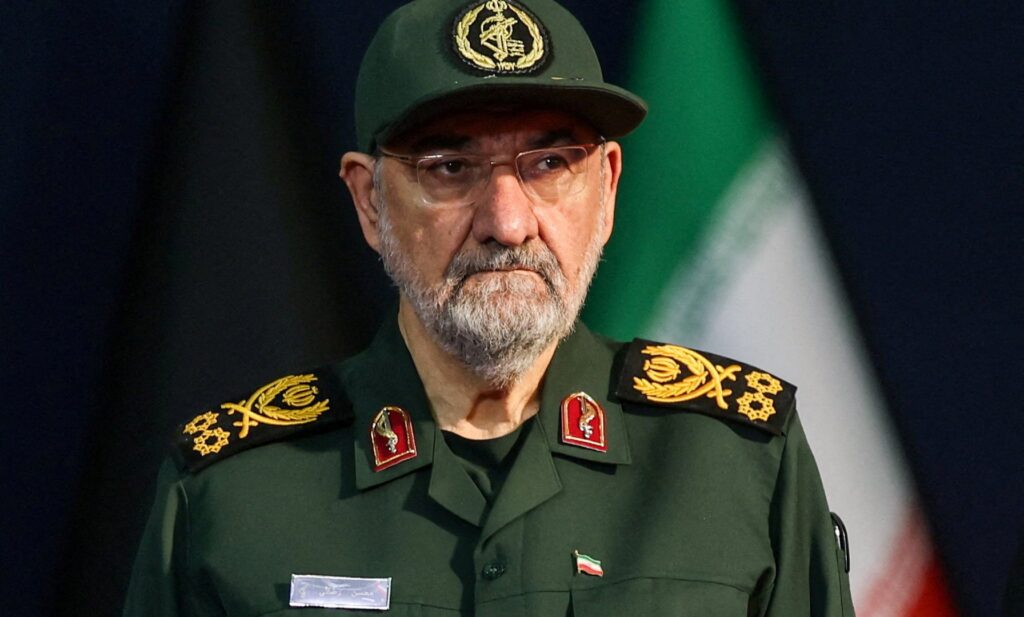
Iran, on its part, has vowed to retaliate if it comes under attack, warning of severe consequences that could destabilize the already volatile region. Tehran’s warning to Europe indicates a strategic effort to involve international actors and perhaps to deter European countries from engaging or supporting actions against Iran.
The conflict’s escalation has reignited fears of a broader regional war, with Israel’s operations in Gaza continuing to draw condemnation from various international quarters, including human rights organizations and governments concerned about civilian casualties and humanitarian impacts.
Analysts suggest that Israel’s aggressive posture towards Iran could be a response to perceived threats of Iranian influence and military presence in neighboring countries, as well as concerns over Iran’s support for militant groups considered hostile by Israel.
The international community has called for restraint, urging all parties to avoid actions that could further inflame tensions or lead to larger-scale violence. Diplomatic efforts are reportedly underway to de-escalate the situation, though the path to peace remains uncertain.
This unfolding crisis highlights the fragile nature of Middle Eastern geopolitics, where longstanding animosities and complex alliances often result in sudden and dramatic shifts in the security environment. The involvement of global powers and regional stakeholders adds layers of complexity to an already delicate scenario.
As the situation develops, the world watches closely, hoping for a resolution that avoids widespread conflict and promotes stability in a region plagued by decades of strife. For now, the warnings from Iran and the military orders from Israel underscore the precariousness of peace in the Middle East and the high stakes involved in the ongoing dispute.