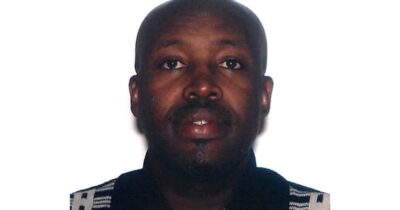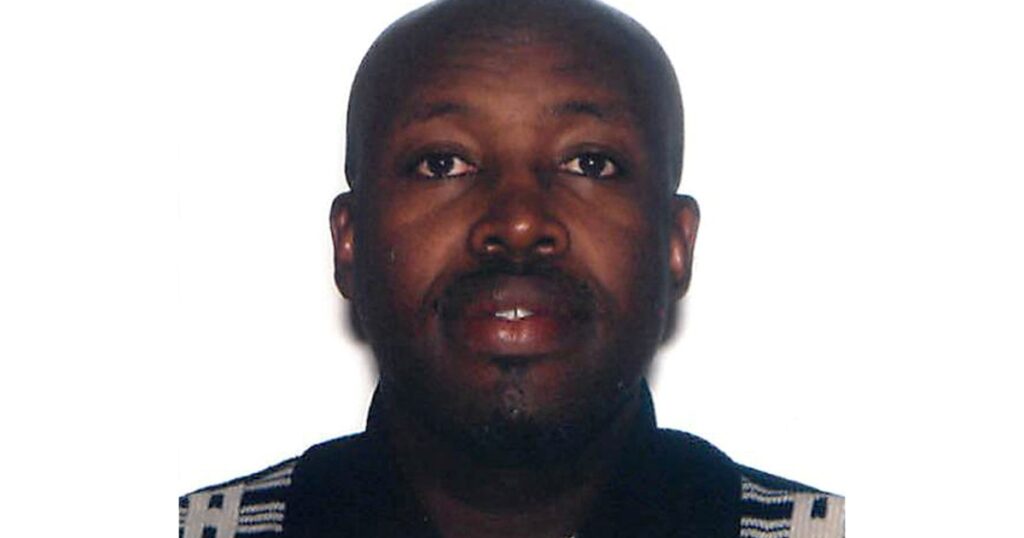
Jean Leonard Teganya is a notable figure in the context of the 1994 Rwanda genocide. Formerly a medical student, Teganya has been accused of participating in the brutal genocide against the Tutsi ethnic group in Rwanda. During the genocide, which resulted in the mass slaughter of hundreds of thousands of people, individuals from various backgrounds were implicated in the atrocities, including those who held professional or educational positions prior to the conflict.
Teganya’s involvement in these historical events led to legal actions beyond Rwanda’s borders. The United States government deported Jean Leonard Teganya as part of efforts to prevent individuals alleged to have committed serious human rights violations from residing within its territory. The deportation underscores the ongoing international commitment to addressing and prosecuting crimes linked to the 1994 genocide.
The accusations against Teganya stem from the period of intense ethnic violence that tore Rwanda apart. The genocide was perpetrated primarily by members of the Hutu majority against the Tutsi minority, resulting in approximately 800,000 deaths over roughly 100 days. Many accused individuals faced trials at the International Criminal Tribunal for Rwanda and other judicial bodies worldwide.
Teganya’s deportation signifies a broader stance by countries like the United States to ensure that those implicated in such grave crimes are held accountable. It also highlights the complexities of post-genocide justice, wherein former professionals or ordinary citizens are implicated in political and ethnic violence.
The specific details surrounding Teganya’s alleged role in the genocide have been part of comprehensive investigations by multiple organizations. Human rights groups and international courts have long worked to compile evidence and ensure that perpetrators do not evade justice by seeking refuge abroad.
Moreover, the case of Jean Leonard Teganya contributes to ongoing discussions about the legacy of the Rwanda genocide, the pursuit of justice, and the mechanisms needed to prevent future atrocities. The deportation sends a clear message regarding international solidarity against impunity for crimes against humanity.
In conclusion, Jean Leonard Teganya, once a medical student, stands accused of involvement in one of the most horrific genocides of the late 20th century. His deportation by the United States is part of a larger effort to confront the dark chapters of history and enforce accountability for those implicated in such human rights violations.