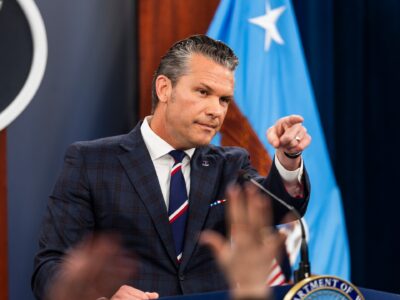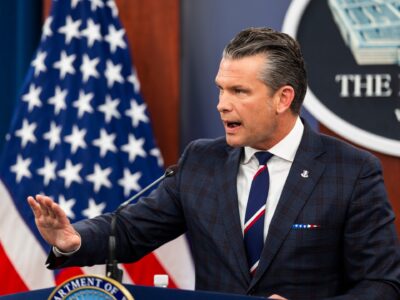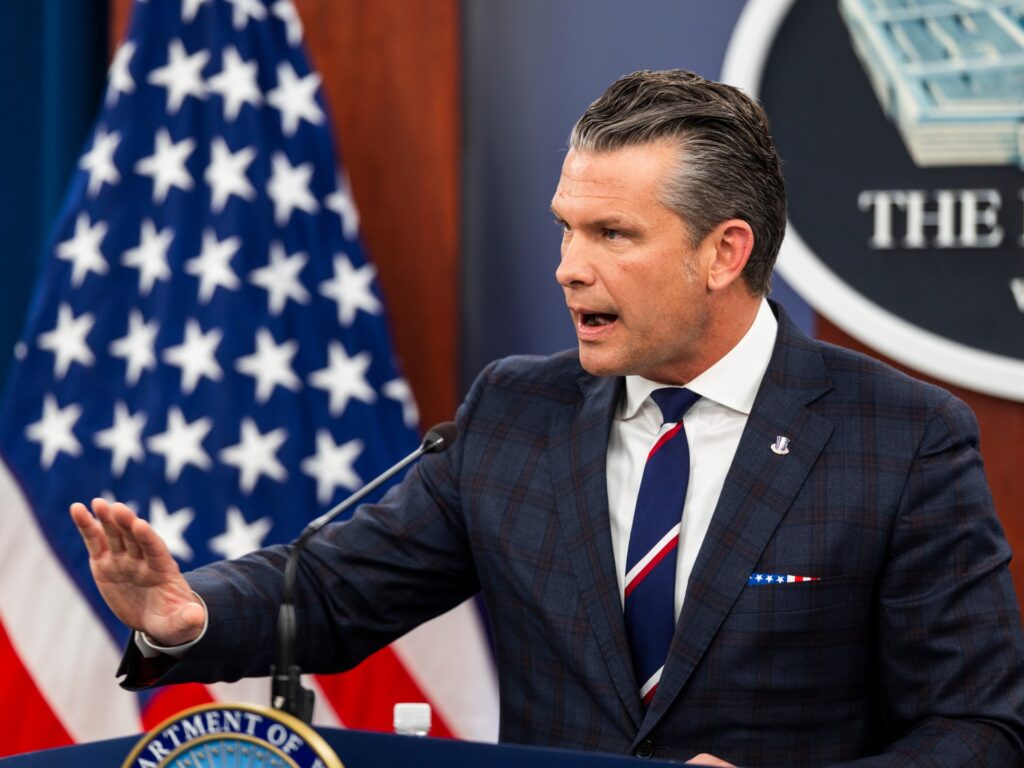
In the latest development surrounding the US involvement in Iran, the House of Representatives has blocked efforts to impeach Pete Hegseth, despite significant voter opposition to the war. The impeachment attempt, driven by concerns over Hegseth’s role and actions related to the conflict, failed largely due to the absence of 11 Democratic lawmakers during the crucial vote.
The US war in Iran remains a contentious issue domestically, with a growing number of voters expressing their disapproval. This opposition has fueled demands for accountability, with impeachment being seen by critics as a necessary step to address alleged misconduct or irresponsible policies.
Pete Hegseth, a political figure and commentator known for his hawkish stances, was the target of the impeachment attempt. Advocates for his impeachment argued that his influence and rhetoric contributed to escalating tensions and an improper approach to the conflict. However, the blockage of the impeachment highlights the complex political dynamics at play.
The event exposed divisions within the Democratic Party, where the absence of 11 members was pivotal. Critics suggest that this absence might have been strategic, reflecting broader political calculations ahead of upcoming elections. Supporters of Hegseth framed the impeachment efforts as politically motivated, emphasizing his commitment to national security.
This development raises questions about the future trajectory of US policy in Iran and the political ramifications for those involved. The failure to impeach Hegseth may embolden hawkish elements in Congress and the administration, potentially influencing the continued military and diplomatic strategies.
Public reaction has been mixed, with activists and anti-war groups expressing frustration over what they see as a missed opportunity for accountability. Some constituents are calling for increased transparency and congressional oversight in matters of war and peace.
Meanwhile, the broader geopolitical implications remain significant. The US engagement in Iran affects regional stability, global energy markets, and international relations, making the domestic political battles over figures like Hegseth particularly consequential.
As the situation evolves, attention will likely focus on how lawmakers plan to navigate these challenges and whether further efforts to hold officials accountable will emerge. The Iran conflict continues to shape the US political and social landscape, underscoring the enduring complexities of war, governance, and public opinion.