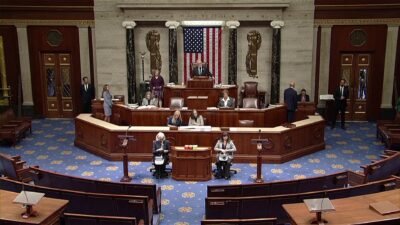
In the midst of escalating tensions surrounding the Iran war, the US House of Representatives has decisively blocked efforts to impeach veteran Fox News host Pete Hegseth. The impeachment bid, spearheaded by a coalition of lawmakers concerned about the war’s direction and Hegseth’s commentary, failed despite evident bipartisan dissatisfaction with the ongoing conflict.
The opposition to the war has grown across party lines, fueled by concerns about US involvement and the humanitarian impacts. However, the attempt to hold Hegseth accountable in an impeachment proceeding was met with resistance, with critics arguing that the move could set a dangerous precedent for freedom of speech and political discourse.
Hegseth has been known for his outspoken views on military and foreign policy issues, often reflecting a hawkish stance. Supporters of the impeachment cited his inflammatory rhetoric as potentially inciting division and undermining diplomatic efforts. Nonetheless, the House voted against advancing the impeachment, signaling a reluctance to escalate internal political conflict during a sensitive period.
Meanwhile, amidst rumors and speculation about potential diplomatic engagements, Iran officially denied holding any talks with the United States. This denial contributes to continuing uncertainty and instability, with no immediate resolution in sight for the tensions between the two nations.
The combination of the failed impeachment attempt and Iran’s denial of talks underscores the complexity and volatility of the current situation. Lawmakers, analysts, and international observers remain cautious as the US navigates its foreign policy objectives in the Middle East.
This development reflects the broader challenges of addressing war-related controversies domestically, where political divisions can impede consensus, and abroad, where communication channels are tenuous. The outcome of these issues will likely influence the future trajectory of US-Iran relations and the American political landscape in the near term.