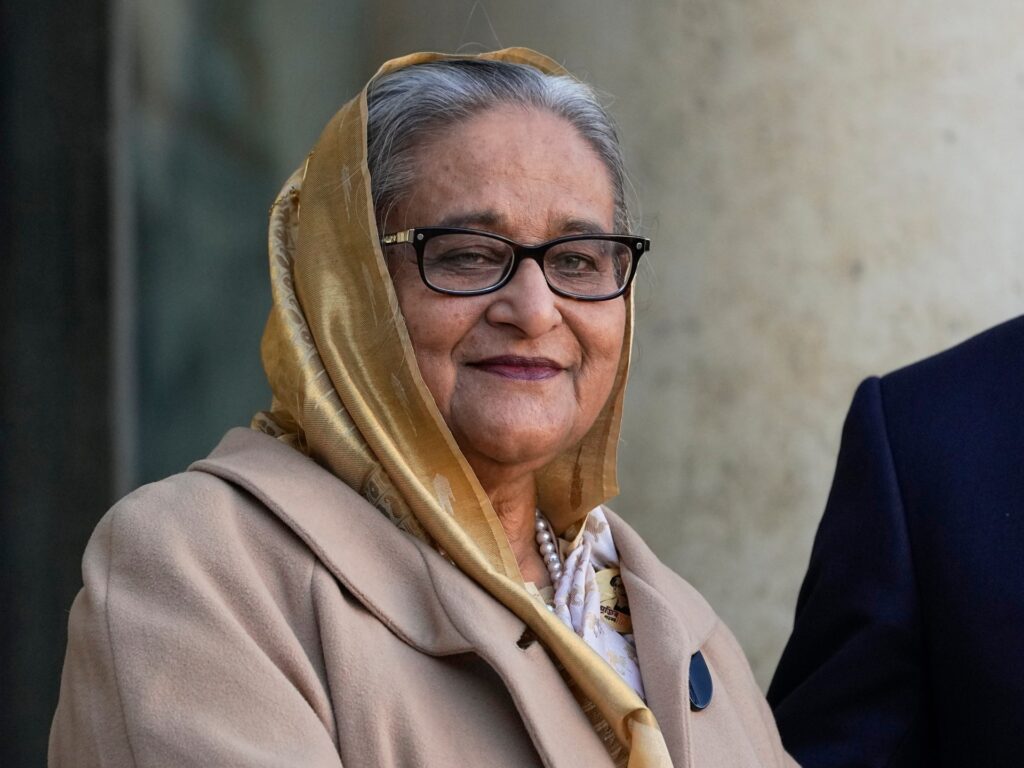
Sheikh Hasina, the ousted leader of Bangladesh, is navigating a complex and perilous path as she seeks to obtain a passport to return to her homeland. Her return is fraught with significant risks, including the looming threat of capital punishment due to her alleged involvement in the violent suppression of the 2024 uprising.
In the wake of the popular uprising that shook Bangladesh in 2024, which was met with harsh crackdowns leading to widespread condemnation, Hasina’s political and personal fate has become a subject of intense debate. The current authorities hold her responsible for actions that led to numerous casualties and severe civil unrest, positioning her not only as a political figure but also as a defendant in potential war crimes or human rights violation cases.
Hasina’s game plan appears multifaceted and strategically calculated. First, she is reportedly engaged in extensive negotiations and diplomatic dialogues to secure a safe passage and legal protection upon her arrival in Bangladesh. This may involve leveraging international connections and seeking mediation through global institutions to ensure that her rights are preserved and that she faces a fair judicial process.
Furthermore, Hasina is likely preparing to contest any charges brought against her vigorously. Her legal team is expected to challenge the allegations of violent suppression by presenting evidence and expert testimonies that aim to portray her actions within the context of maintaining national security and order during a period of extreme political instability.
Additionally, Hasina’s supporters within Bangladesh and the international community are rallying to her cause, attempting to influence public opinion and political negotiations. They argue that her leadership, despite its controversies, was pivotal in the country’s development and that her prosecution could deepen divisions and unrest.
Understanding the gravity of the situation, Hasina might also explore a political settlement or transitional justice mechanism that could allow her to return without facing the death penalty. This could include negotiated immunity deals or participation in truth and reconciliation processes that have been employed in other countries recovering from internal conflicts.
In sum, Hasina’s prospects of returning to Bangladesh hinge on a delicate balance of legal strategies, diplomatic engagement, and political maneuvering. The broader implications for Bangladesh’s democracy, rule of law, and reconciliation processes remain uncertain, as the nation watches closely how one of its most contentious leaders navigates this pivotal moment in its history.