In a significant move to enhance regional security, the Gulf Cooperation Council (GCC) has agreed to establish an advanced military command headquarters in Kuwait. This strategic decision reflects the collective commitment of Gulf leaders to bolster cooperative defence mechanisms amid evolving regional challenges.
The decision was reached during recent high-level discussions among GCC member states, emphasizing the importance of a unified military strategy to ensure the stability and security of the Gulf region. The new command headquarters will serve as a central hub for military coordination, intelligence sharing, and operational planning.
GCC leaders highlighted the urgent need to strengthen defence coordination frameworks to effectively confront both present and emerging threats. The establishment of the headquarters in Kuwait, a country strategically located at the heart of the Gulf, underscores the central role the nation will play in future defence efforts.
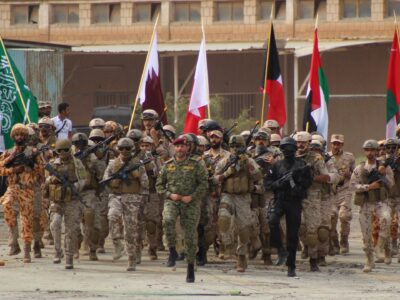
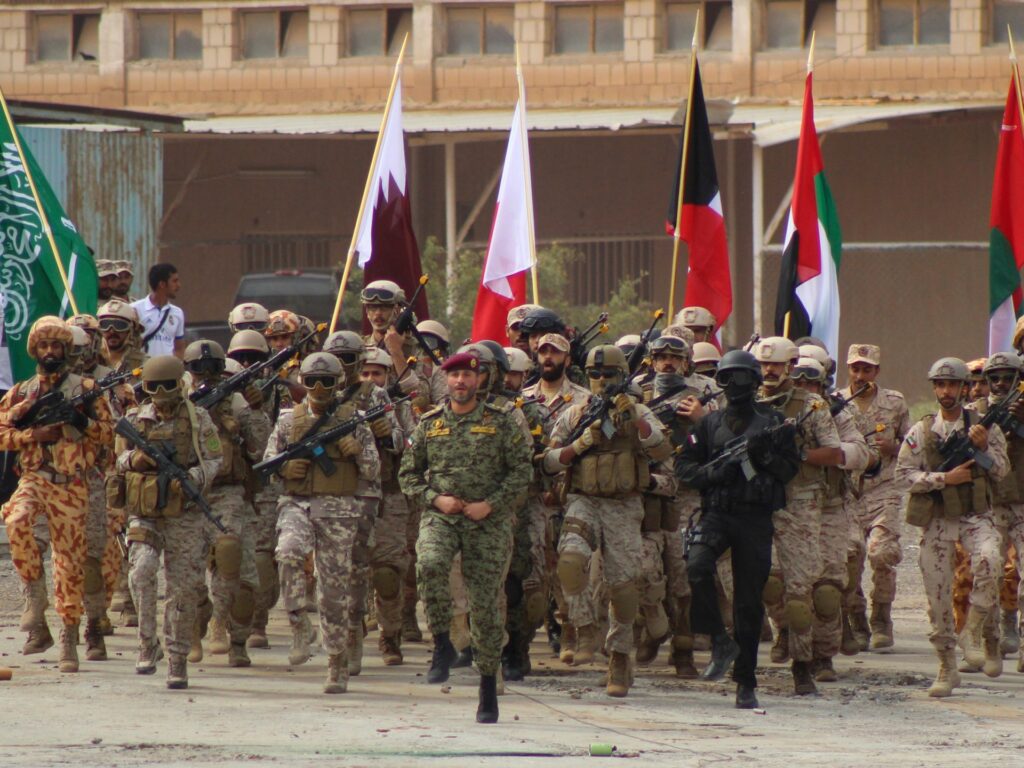
The military command headquarters aims to streamline communication among the GCC member states’ armed forces, enabling rapid response capabilities and enhanced joint operation readiness. It will incorporate advanced technologies and modern communication systems to facilitate seamless integration of regional defence assets.
Experts believe that the headquarters will contribute significantly to deterrence efforts, fostering a collective security environment that addresses threats ranging from terrorism to regional conflicts. The initiative also reflects the GCC’s aspiration to transform its military collaboration into a robust and united front capable of securing peace and stability.
This development comes at a time when the Gulf region faces multiple geopolitical uncertainties, including shifting alliances and external pressures. Strengthened military coordination is seen as vital to safeguarding sovereign interests and promoting enduring cooperation among member states.
In addition to military advantages, the new command center is expected to enhance diplomatic collaboration, supporting GCC’s broader goals of political unity and economic integration. It symbolizes a renewed commitment to mutual support in the defense domain, ensuring resilience against unforeseen challenges.
The GCC’s collective defense strategy, now anchored by this central command headquarters, marks a pivotal step toward a more integrated regional security architecture. It represents a proactive approach to maintaining peace, deterring aggression, and protecting the welfare of the Gulf community.
Moving forward, the headquarters will facilitate regular joint exercises, intelligence exchange programs, and coordinated crisis response actions. These measures will be instrumental in fostering trust and interoperability among GCC military forces.
The creation of the advanced military command headquarters in Kuwait is thus a landmark development in Gulf defence cooperation, embodying the shared resolve of member states to safeguard their region’s future amid complex security dynamics.