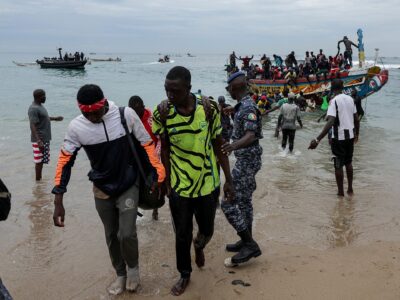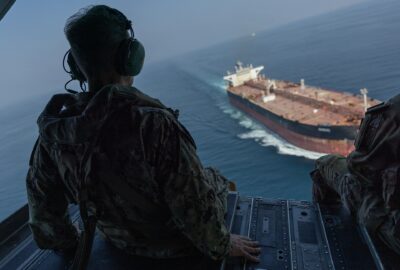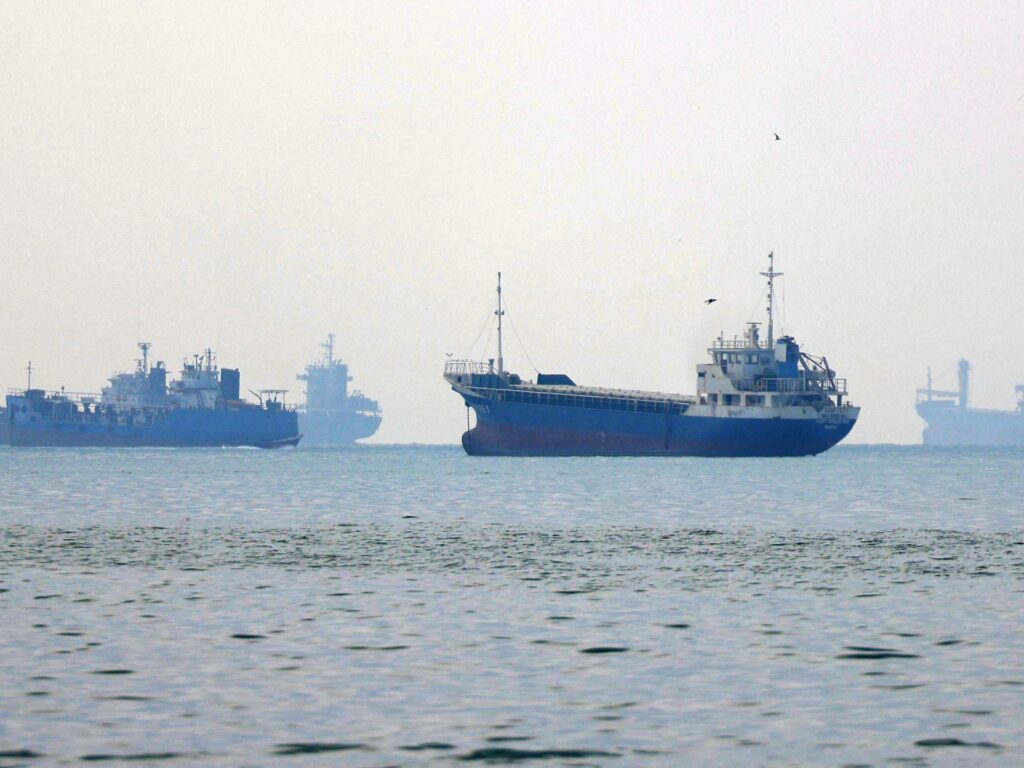
Since the conflict between the US, Israel, and Iran escalated on February 28, the international maritime community has faced significant turmoil, with seafarers bearing a heavy toll. According to records from the International Maritime Organization (IMO), at least 25 seafarers have died as a direct or indirect consequence of the ongoing war. These deaths highlight the precarious position of maritime workers operating in one of the world’s most volatile regions.
Seafarers, often hailed as the backbone of global trade, are now finding themselves in the crossfire of geopolitical conflicts. The US-Israeli war on Iran involves a complex array of naval blockades, targeted attacks on shipping vessels, and heightened military patrols in the Persian Gulf and surrounding waters. Many of these maritime routes are critical to the global economy, transporting oil, gas, and goods between continents.
The fatalities recorded by the IMO reflect incidents ranging from targeted missile strikes on commercial tankers to accidents caused by the increased militarization of shipping lanes. Seafarers from various nationalities work aboard these vessels, including crews from countries such as the Philippines, India, Iran, and Russia. These multicultural crews face risks not only from the warfare itself but also from the resulting disruptions, such as delayed rescue operations and limited access to emergency support.
The strategic importance of the region means that naval powers maintain a continuous presence, increasing the chance of accidental engagements and miscalculations. Seafarers navigating these waters have reported heightened anxiety and operational challenges, from navigating through areas with active mines to dealing with the risk of being accused of espionage or involvement in hostile activities.
These incidents have sparked calls from international maritime organizations for increased protections for seafarers and the establishment of safe corridors to ensure the security of international shipping. The IMO and global shipping alliances urge warring parties to respect international maritime law, particularly the safety and immunity of civilian vessels.
Moreover, the losses are not just human tragedies but also impact global supply chains. Delays and rerouting increase costs, disrupt deliveries of essential commodities, and exacerbate global economic uncertainties.
The international community continues to monitor the situation closely, advocating for diplomatic solutions to de-escalate tensions and protect the lives of those who navigate these dangerous waters daily. Meanwhile, families of the lost seafarers seek justice and recognition for the risks their loved ones face in the frontline of geopolitical conflicts.