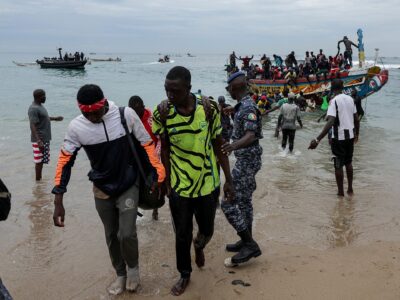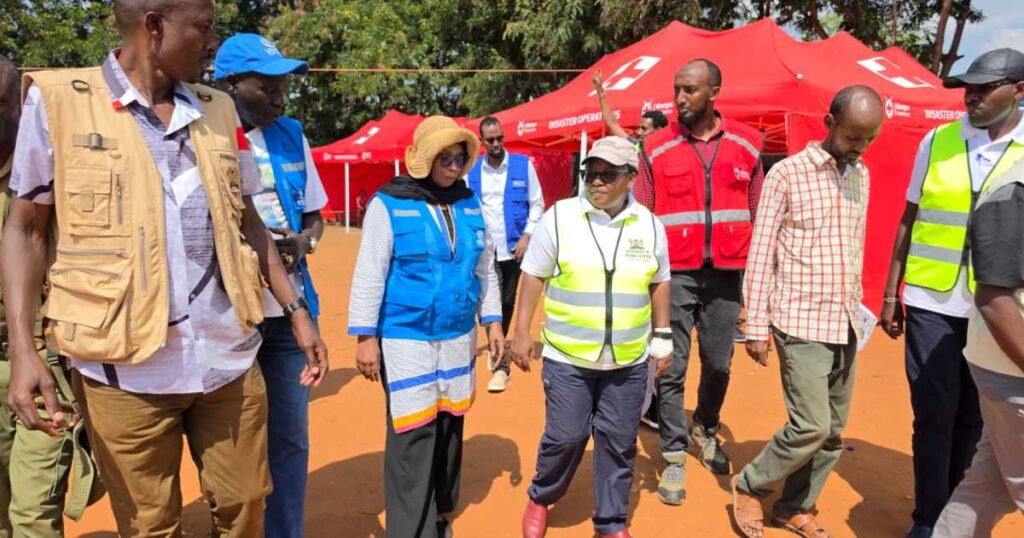
More than 50,000 people have been displaced following deadly clashes along the Ethiopia-Kenya border. These violent confrontations have forced thousands of families to flee their homes, seeking safety and shelter across the border in Kenya.
The clashes, which erupted recently in the volatile regions along the boundary, have resulted in numerous casualties and extensive property damage. Although the precise causes of the violence are complex, they are believed to involve long-standing ethnic and resource-related tensions between communities living in the border areas.
As families cross into Kenya, they arrive with little more than the clothes on their backs, often lacking adequate food, clean water, and shelter. Many are in urgent need of humanitarian assistance, having endured harsh conditions during their flight from conflict.
Hosts in Kenyan border communities face significant challenges as they struggle to accommodate the sudden influx of displaced people. Resources are stretched thin, and local authorities, along with aid organizations, are working tirelessly to provide immediate relief. However, the scale of displacement has overwhelmed existing capacities.
Humanitarian agencies are calling for increased support from the international community to address the growing crisis. Efforts are underway to establish temporary shelters, distribute food and medical supplies, and provide protection to vulnerable groups, including children and the elderly.
The displacement crisis poses not only a humanitarian challenge but also raises concerns about regional stability. Both Ethiopia and Kenya have expressed commitments to resolving the underlying disputes through dialogue and peaceful means, but the situation remains fragile.
There are urgent calls for coordinated action to prevent further escalation. Long-term solutions will require addressing root causes of conflict, including competition over land and resources, and implementing measures to improve relations between border communities.
Meanwhile, displaced families continue to endure hardships in refugee camps and makeshift settlements, hoping for a day when they can return to their homes in peace. Until then, the international community’s support remains vital to alleviate their suffering and promote lasting stability in the region.