Cyprus, an island divided since 1974, is seeing a hopeful development as rivals from both sides have agreed to open new crossing points across the island’s dividing line. The island has been split since 1974, following an invasion by Turkiye after a Greek-backed coup, resulting in the northern part of the island being controlled by Turkish Cypriots, while the southern part remains under Greek Cypriot administration.
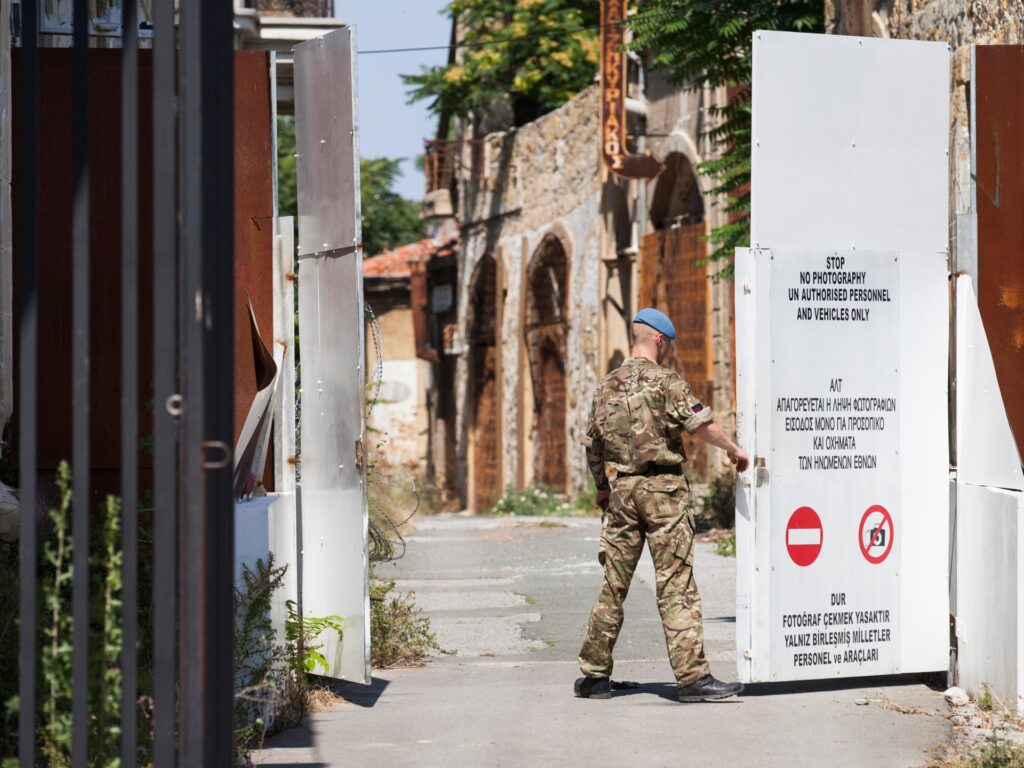
For nearly five decades, the division has caused considerable tension, with numerous attempts at reunification falling short. The Green Line, also known as the United Nations Buffer Zone, currently separates the two communities, restricting movement and interaction.
The newly agreed crossings are seen as an important step towards improving communication and building trust between the Turkish Cypriot and Greek Cypriot communities. These crossings will facilitate easier access for people on both sides, enabling increased social, economic, and cultural exchanges.
Officials from both communities expressed optimism about the agreement, highlighting it as a way to promote peace and cooperation. It also marks a rare moment of collaboration amid a history of complex political challenges and stalled peace talks.
The new crossings are expected to bolster local economies by encouraging tourism and commerce, which have been hampered by the long-standing division. Additionally, the crossings may allow families separated by the division to reunite more freely, fostering greater empathy and understanding.
The decision follows discussions mediated by international bodies including the United Nations, which continues to play a significant role in facilitating dialogue and maintaining peace on the island.
While the island’s reunification remains a long-term and complex goal, agreed upon new crossings signal a practical approach aimed at easing tensions and improving daily life for the island’s residents.
Experts believe that building grassroots connections through easier access can pave the way for more comprehensive negotiations in the future. The crossings are thus not only physical pathways but also symbols of a potential future where Cyprus heals its historic divisions.
As the island moves forward with this initiative, attention now turns to the implementation phase, where the details of security, administration, and logistics will be worked out. Both communities will need to collaborate closely to ensure that the crossings function smoothly and serve the intended purpose of fostering unity.
The new crossings stand as a testament to the enduring hope for peace on Cyprus, a small island with a long history of conflict. The ripple effects of this agreement could influence the broader region, showcasing how dialogue and cooperation can overcome deep-rooted divisions.
In summary, the agreement on new crossings is a significant milestone, illuminating a path toward reconciliation, economic development, and improved quality of life for Cypriots on both sides of the divide. While challenges remain, such initiatives are critical in moving the island towards a more peaceful and prosperous future.