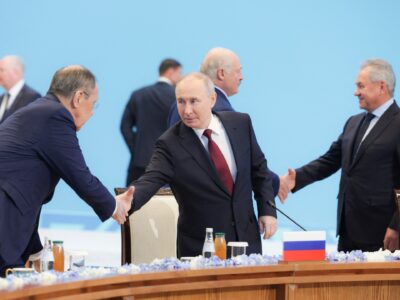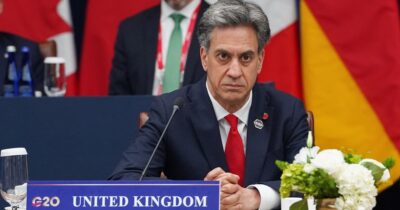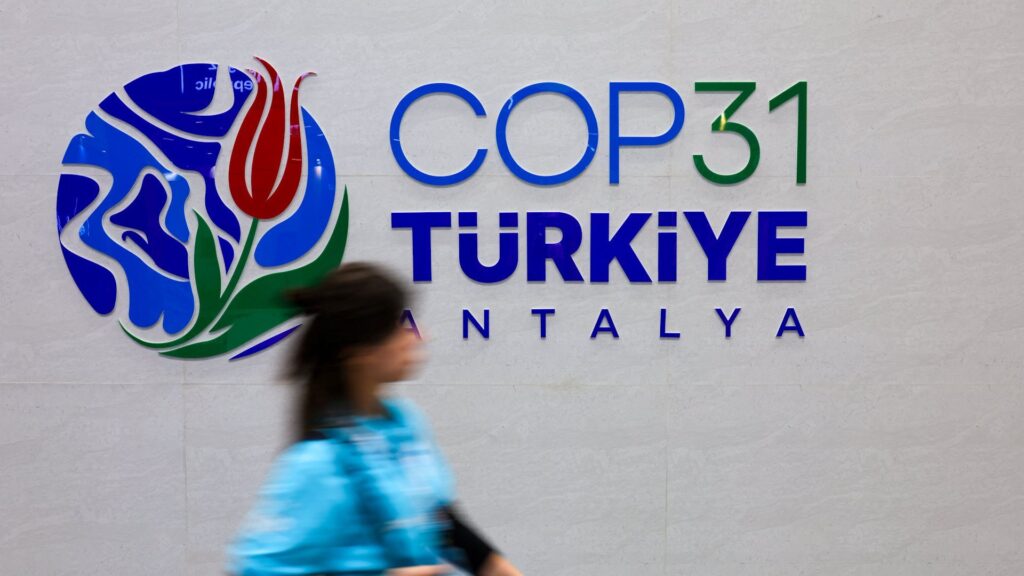
The 31st Conference of the Parties (COP31) has officially opened in Turkiye, drawing global attention amid a critical energy crisis exacerbated by ongoing geopolitical conflicts. This year’s summit is facing the daunting challenge of addressing climate change amidst war-driven disruptions to energy supplies and a troubling backslide toward increased fossil fuel usage.
The international community has convened in Turkiye at a time when energy markets are in turmoil. The conflict in several key regions has caused significant disruptions to traditional energy supply chains, driving many nations to depend more heavily on coal, oil, and natural gas to meet immediate demands. This short-term pivot risks undermining long-term climate goals agreed upon in previous COP meetings.
World leaders, climate activists, scientists, and civil society representatives are using COP31 as a platform to confront these challenges head-on. Activists have been particularly vocal, urging delegates to prioritize aggressive climate action and reject any moves that normalize or entrench fossil fuel reliance. They emphasize that the current crisis must not be used as an excuse to delay the transition to renewable energy technologies.
Experts highlight that while energy security remains paramount, the solutions must align with sustainability to prevent exacerbating climate change. The reliance on fossil fuels not only increases greenhouse gas emissions but also perpetuates geopolitical instability tied to energy resources.
COP31’s agenda is expected to focus on accelerating commitments to renewable energy infrastructure, innovative energy efficiency measures, and equitable financial mechanisms to help vulnerable nations adapt to climate impacts. The summit will also address the need for enhanced international cooperation to manage energy transitions without compromising economic stability.
There is growing concern that the energy crisis could stall global climate progress if not addressed with strategic foresight. Delegates are tasked with balancing immediate energy needs with the urgent imperative to reduce carbon emissions and meet the targets set out in the Paris Agreement.
The conference underscores the complex interdependencies between global security, energy policy, and climate change action. It calls for unprecedented collaboration to forge pathways that secure a sustainable future while navigating geopolitical realities.
As COP31 progresses, the world’s eyes will remain fixed on Turkiye, hoping the summit can deliver decisive strategies to overcome the energy crisis and accelerate the fight against climate change. The decisions made here have the potential to shape the trajectory of global climate action for years to come, making this gathering a critical moment in the collective effort to safeguard the planet.