Cameroon has officially announced February 7 as the date for its long-delayed legislative and local elections. This marks a significant step forward in the country’s political calendar, as these elections have been postponed multiple times over recent years.
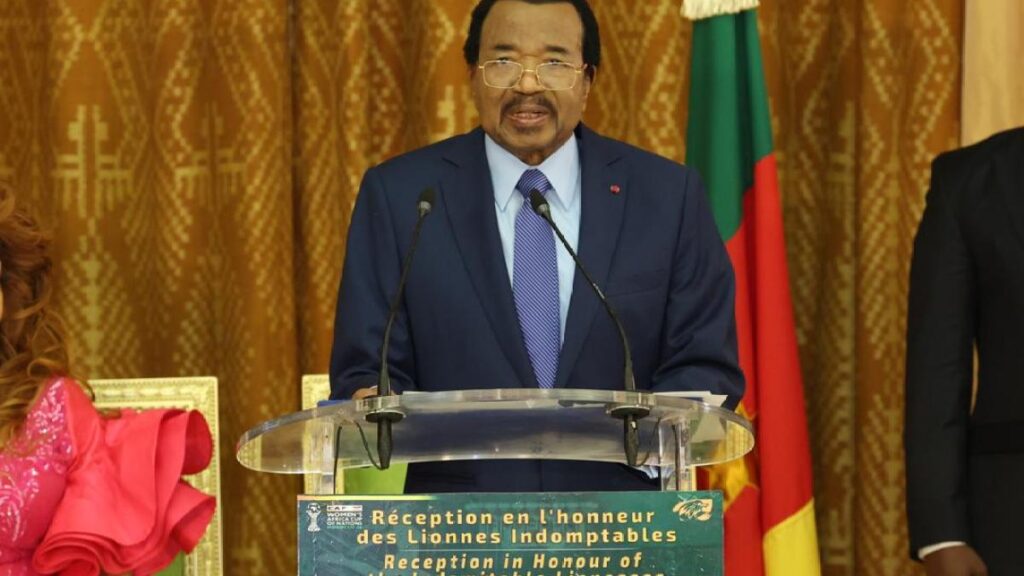
President Paul Biya, who is notably the world’s oldest sitting leader, made the declaration amid ongoing challenges within the nation. Biya’s leadership, which spans over four decades, has seen numerous political and social changes but has also faced criticism for delaying democratic processes.
The upcoming elections are expected to be crucial in reshaping local and national governance. Legislative elections will elect members to Cameroon’s National Assembly, while local polls will fill positions in municipal councils across the country.
The delays in holding these elections have fueled political tensions and skepticism about the country’s commitment to democratic renewal. Observers say that timely and transparent elections are essential for reinforcing stability and public trust in governance.
President Biya’s announcement provides hope for resuming democratic activities that have been stalled. It also represents an opportunity for various political parties and civil society groups to engage more actively in the nation’s political landscape.
The government has indicated it will take necessary measures to ensure the election process is smooth and credible, emphasizing the importance of peace and security leading up to and during the polls.
International stakeholders and national watchdogs will likely be monitoring the elections closely to ensure fairness and transparency.
The forthcoming elections, finally scheduled for February 7, represent a pivotal moment for Cameroon as it seeks to advance its democratic institutions and uphold the principles of representative governance after years of delay and uncertainty.