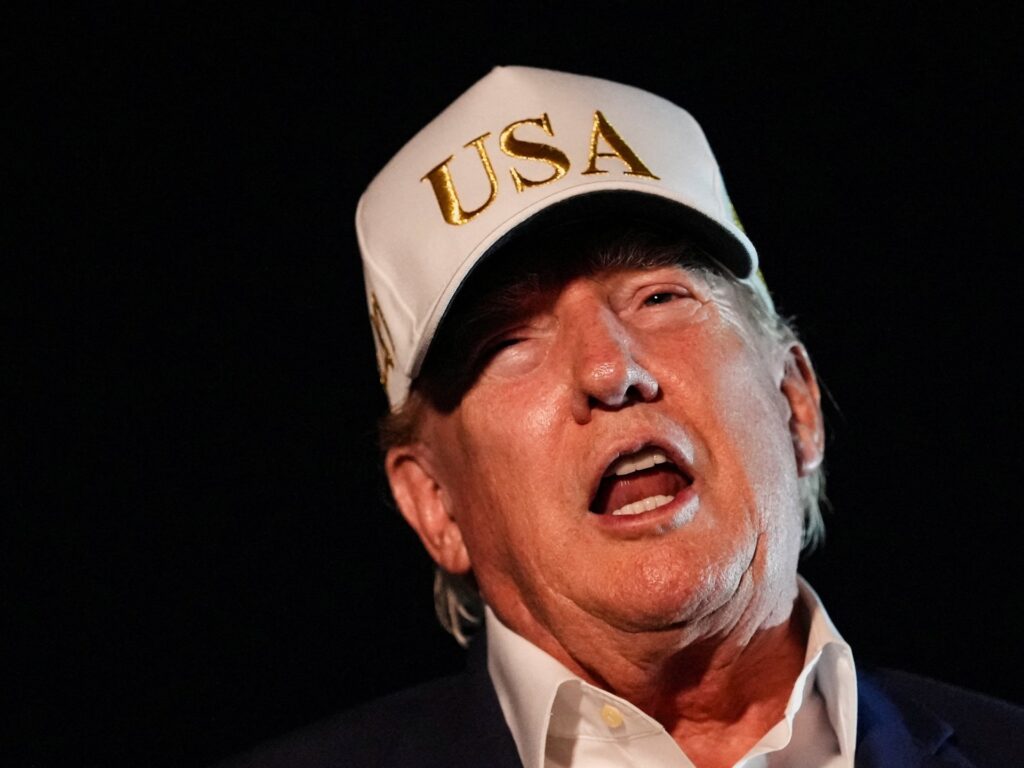
Amid escalating tensions in the Middle East, former U.S. President Donald Trump announced plans to engage in high-level discussions with Chinese President Xi Jinping and Russian President Vladimir Putin concerning the situation in Tehran and the broader issue of Iran’s nuclear capabilities.
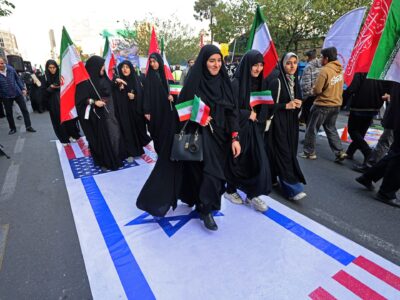
Trump’s announcement comes as Iran has issued stern warnings of severe repercussions if the United States resumes military actions in the region. Tehran has threatened to “rain down hell” in retaliation to any renewed attacks, signaling a potentially dangerous escalation.
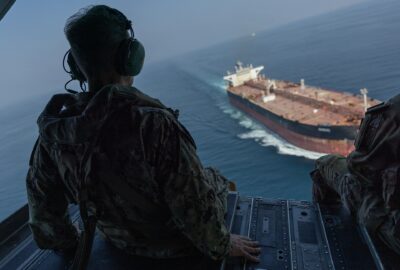
In response to the growing threat, Trump stated that an Iran land blockade is now in effect. This move is aimed at constraining Iran’s military and nuclear ambitions by restricting its access to vital supplies and materials. The blockade represents a significant shift in U.S. policy, emphasizing a more aggressive stance to curb Iran’s influence and nuclear program.
The discussions with Xi and Putin are expected to focus on coordinated efforts to prevent the proliferation of nuclear weapons in the region, as well as strategies to de-escalate the mounting conflict. Both China and Russia, as key global players with ties to Iran, could play crucial roles in mediating and influencing Tehran’s actions.
This diplomatic effort underscores the complexity of the Iran issue, involving a delicate balance between military pressure and dialogue. Trump’s outreach to two of the world’s most influential leaders highlights the recognition that multilateral cooperation is essential in addressing the crisis.
The international community watches closely as these developments unfold, aware that the consequences of missteps could be severe, potentially leading to wider conflict impacting regional and global stability. The situation remains fluid, with hopes pinned on diplomatic engagement to steer Iran away from further militarization and towards meaningful negotiations on its nuclear program.
As the land blockade takes effect, the impact on Iran’s economy and its regional proxy capabilities will be closely monitored. Meanwhile, Tehran’s rhetoric indicates a readiness to respond forcefully if provoked, raising concerns among global security experts and governments.
The coming days and weeks will be critical in determining whether diplomacy can prevail or whether military tensions will escalate into open conflict. Trump’s decision to personally involve influential leaders like Xi and Putin marks a pivotal moment in the international response to the Iran situation, emphasizing the urgency and significance of the challenge.