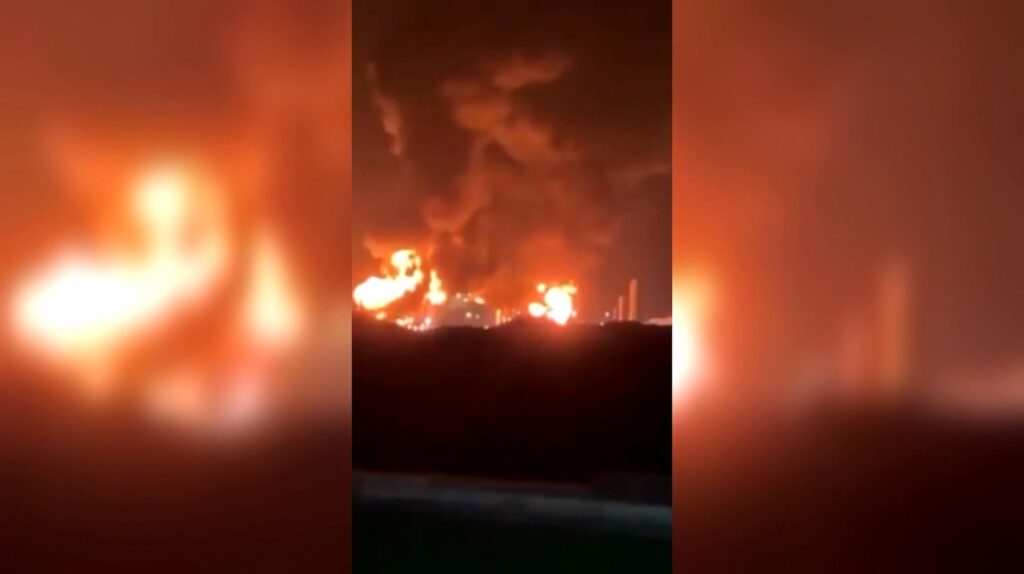
A significant drone attack recently targeted the Khor Mor gas field, located in the northern region of Iraq’s Kurdistan. This strategic gas facility, vital for energy production and supply in the region, suffered considerable disruptions as a result of the strike. The impact was immediate and severe, causing a halt in production at the gas field.
Khor Mor gas field is one of the critical sources of natural gas that supports both local power generation and the broader energy grid in Iraqi Kurdistan. The suspension of its activities triggered a chain reaction leading to widespread power outages across the region, affecting millions of residents.
Authorities and energy experts have expressed serious concerns over the attack’s implications on energy security and regional stability. They emphasize that the gas field’s output is crucial not only for electricity generation but also for supplying fuel to industries and households. The blackout has disrupted daily life, leading to challenges in residential, commercial, and public sectors.
Emergency response teams and security forces have been deployed to assess the damage and secure the site. Efforts are underway to restore production and stabilize the power grid as quickly as possible. However, officials warn that the recovery may take some time given the complexity of repairing the infrastructure and ensuring the site’s safety from further attacks.
The drone attack also raises geopolitical tensions in the area, as various factions and external actors have vested interests in the region’s energy resources. This incident may escalate conflicts and complicate diplomatic relations unless a coordinated effort is made to safeguard critical infrastructure.
Energy analysts point out that the reliance on facilities like Khor Mor exposes the region to vulnerabilities in the case of asymmetric warfare tactics such as drone strikes. This has underscored the need for enhanced protective measures and investment in alternative energy sources to diversify the energy portfolio.
Local communities have voiced their distress and called for quick action from authorities to restore power and ensure future security. The blackout has also affected essential services including hospitals, water supply, and telecommunications, magnifying the urgency of resolving the crisis.
In the aftermath, Kurdish regional government officials have condemned the attack, labeling it an act of sabotage aimed at destabilizing the region. They assure residents that they are working tirelessly to mitigate the impact and prevent recurrence.
Experts also highlight the broader implications for Iraq’s overall energy infrastructure, which remains fragile and susceptible to conflicts. The attack on Khor Mor gas field is a stark reminder of the challenges faced by countries rich in natural resources but located in volatile environments.
In conclusion, the drone attack on the Khor Mor gas field has resulted in a significant energy crisis in Iraqi Kurdistan, causing a mass blackout and disrupting the lives of millions. The incident calls for strengthened security protocols, regional cooperation, and a strategic approach to energy resource management to safeguard the future stability and development of Iraqi Kurdistan and Iraq at large.