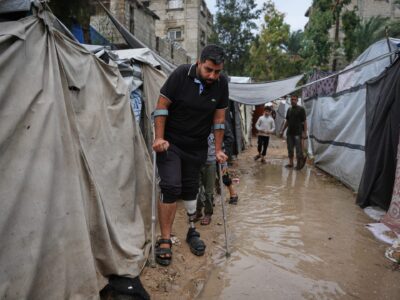
The Zaporizhzhia region, once considered a safe refuge amidst conflict, has become a focal point of escalating violence and insecurity, following a series of intense drone attacks. On a single day, over 50 people lost their lives in a devastating strike, sending shockwaves through the community and raising urgent humanitarian concerns.
Residents have reported a sudden increase in drone attacks targeting civilian areas, with many describing the harrowing experience as unprecedented. Eyewitness accounts detail how the attacks began without warning, with drones swarming over the region, dropping bombs with deadly precision. This new phase of conflict has transformed what was once a sanctuary into a dangerous battleground.
Local authorities and emergency services have been overwhelmed by the scale and intensity of the strikes. Hospitals are struggling to cope with the influx of casualties, and infrastructure has suffered significant damage, complicating rescue and relief efforts. The increasing use of drones in the conflict represents a troubling shift in warfare tactics, raising concerns about the safety of civilians and the ability of defense forces to respond effectively.
International observers have condemned the attacks, highlighting the severe humanitarian impact on the civilian population. Calls for an immediate ceasefire and stronger protections for non-combatants have intensified. Human rights organizations are also demanding thorough investigations into the attacks that have claimed so many innocent lives.
The psychological impact on the residents cannot be overstated. Families who fled violence in surrounding areas now find themselves under direct threat, living in constant fear of the next drone strike. Schools, markets, and residential neighborhoods are no longer safe, disrupting daily life and deepening the community’s trauma.
Military analysts note that the use of drones for such sustained bombing campaigns marks a significant tactical development in the conflict, indicating a possible shift towards more technologically advanced and asymmetrical warfare methods. However, the human cost remains the paramount concern, as civilian casualties continue to rise.
Efforts to negotiate a peaceful resolution have been hindered by ongoing hostilities, making it critical for the international community to increase diplomatic pressure and humanitarian aid to the affected regions. Aid organizations are calling for safer corridors to deliver essential supplies and medical care to those caught in the crossfire.
As Zaporizhzhia reels from the impact of these attacks, the resilience of its people is being tested. Yet, amidst the devastation, community groups and volunteers are mobilizing to support victims and rebuild shattered lives. Their courage provides a beacon of hope in an otherwise grim situation.
The situation in Zaporizhzhia serves as a stark reminder of the evolving nature of modern conflict and the urgent need for comprehensive strategies to protect civilians and uphold international law. The coming weeks will be crucial in determining whether peace can be restored and whether the region can once again become a safe haven for its people.