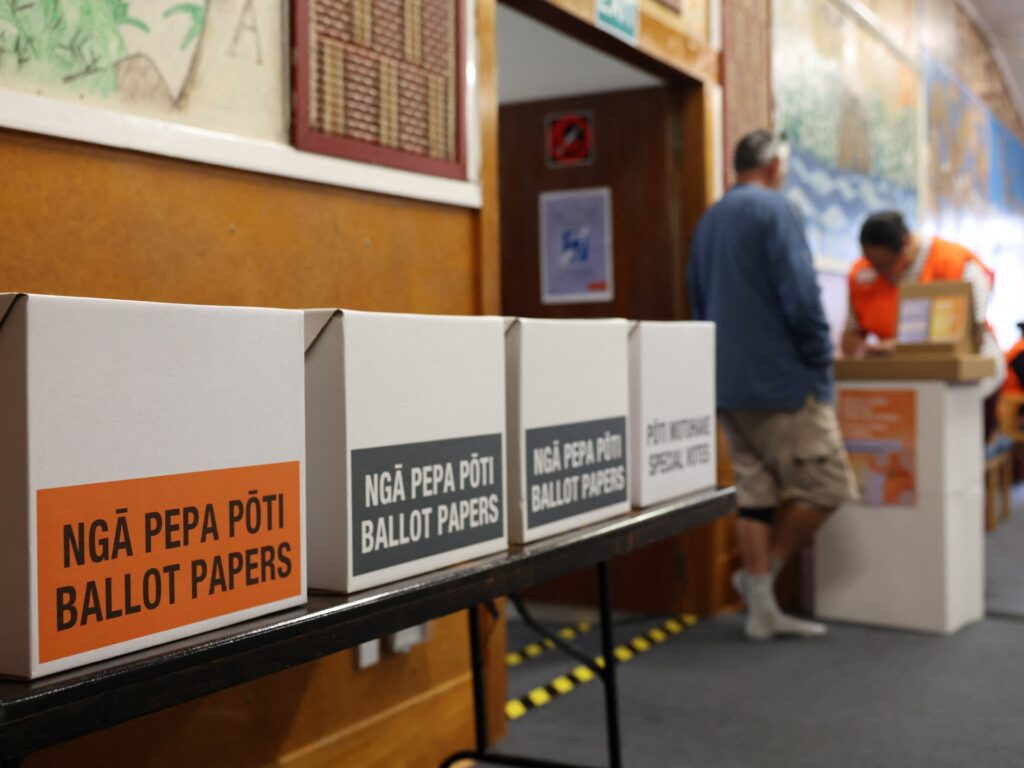
As New Zealand approaches the final day of voting in its national election, more than half of the eligible voters have already cast their ballots early, indicating a highly engaged electorate. This election is marked by intense competition between major political parties, reflecting a nation actively participating in shaping its future.
Early voting has surged to record levels across the country, with citizens making use of mail-in ballots, advance voting centers, and other means to ensure their voices are heard. Political analysts suggest that the high turnout is driven by critical issues such as economic policy, climate change, and social welfare that resonate deeply with New Zealanders.
The race has seen a tight contest primarily between the incumbent government and opposition parties, each campaigning vigorously to secure public support. Debates, public forums, and media campaigns have been intense, highlighting differing visions for New Zealand’s path ahead.
Voters have expressed a mix of concerns ranging from housing affordability, healthcare accessibility, to international relations amid global uncertainties. The electorate’s strong engagement demonstrates a collective commitment to democratic processes and the importance of resulting policies.
Election officials have assured the public that voting systems are secure and transparent, aiming to maintain the integrity and trust of the electoral process. As the final day unfolds, many voters are expected to participate, adding to the already substantial turnout.
The results, while eagerly anticipated, will not only reflect party popularity but also the public’s stance on key national priorities. The final vote counts will be scrutinized for indications of shifting political landscapes and emerging trends in New Zealand’s democracy.
In summary, New Zealand’s final voting day marks the climax of a robust democratic exercise, with unprecedented early voter participation setting the tone for a potentially transformative election outcome. Citizens nationwide continue to exercise their right to vote in shaping the country’s future governance and policy directions.