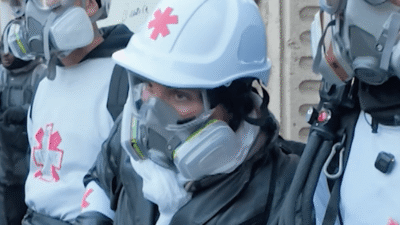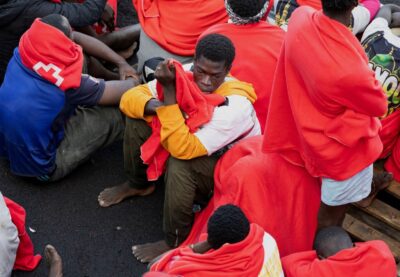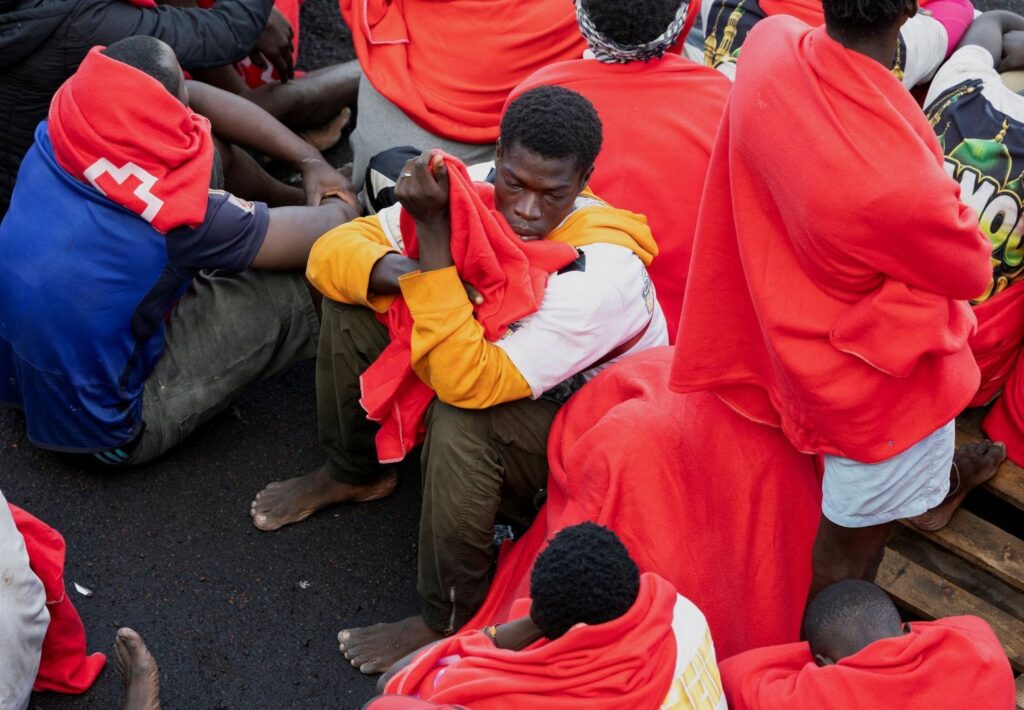
In the first six days of November, more than 3,200 migrants were rescued at sea and brought to Spain’s Canary Islands. This significant number highlights the ongoing migration challenges faced by the region, which has become a key entry point for migrants attempting to reach Europe from Africa. The rescues were conducted by Spanish authorities and humanitarian organizations operating in the area, who responded to numerous distress calls from boats attempting the perilous crossing. The Canary Islands, a Spanish archipelago off the northwest coast of Africa, have seen a marked increase in migrant arrivals, attributed to various factors including political instability, economic hardship, and conflicts in migrants’ home countries.
These migrants, often embarking on treacherous journeys across the Atlantic, face harsh conditions, including overcrowded and unseaworthy vessels, exposure to severe weather, and risk of drowning. Spanish rescue teams, using a combination of patrol boats and coordination with maritime agencies, managed to intercept and assist these individuals, ensuring their safety and providing immediate humanitarian aid.
Authorities have underscored the complexity and urgency of the situation, noting that the surge in arrivals places considerable strain on local infrastructure and social services in the Canary Islands. Efforts are underway to provide migrants with shelter, food, medical care, and legal assistance while their cases are processed.
The migrants come from diverse countries across the African continent, driven by hopes for a better life in Europe despite the dangers involved. The pattern reflects broader migration trends fueled by instability, poverty, and a lack of opportunities in the regions of origin.
Humanitarian organizations have called for increased international cooperation to address the root causes of migration and to manage safe and legal pathways for migration. Spain, on its part, continues to balance the challenges of border security with its commitments to human rights and international law.
Local residents and community groups have also mobilized to support the newcomers, providing aid and integration services to help migrants adapt to their new environment. Despite the difficulties, there is a strong emphasis on solidarity and humanitarian response.
The situation in the Canary Islands serves as a stark reminder of the global migration crisis and the urgent need for comprehensive solutions that consider both the immediate humanitarian needs and the long-term development goals for affected populations.
As the year progresses, Spanish authorities and international partners are expected to enhance their efforts in monitoring migrant flows, improving rescue operations, and expanding support mechanisms to mitigate the impact on the islands. The Canary Islands remain a critical frontline in Europe’s migration landscape, highlighting the complex interplay between geopolitical factors, human rights, and security concerns in contemporary migration issues.