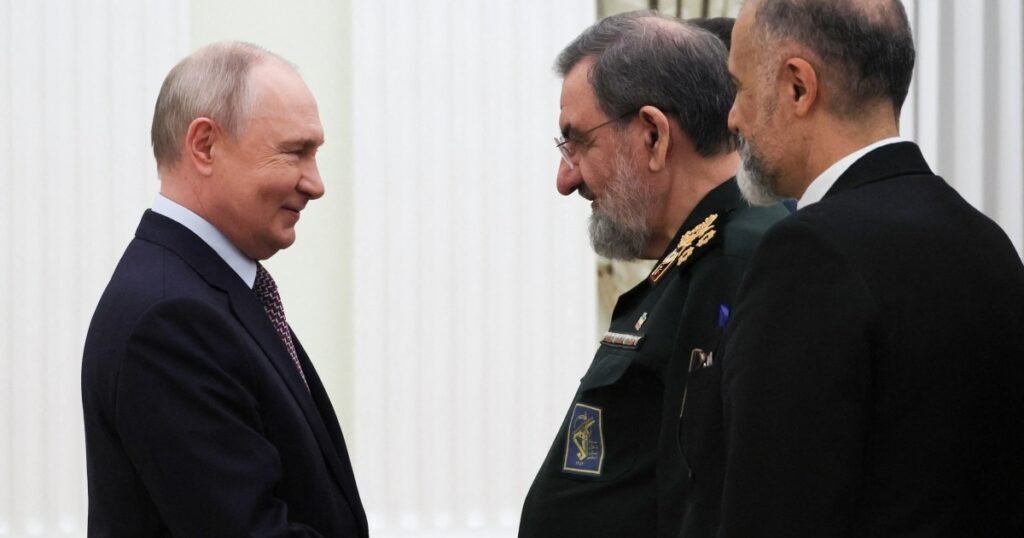
In a rapidly evolving geopolitical landscape, Iran has initiated a robust diplomatic offensive targeting key regional players such as the United Arab Emirates (UAE) and Russia. This strategic move comes amid escalating threats from former US President Donald Trump and concerns about the potential resumption of hostilities by the United States.
Iran’s intensified diplomatic engagements reflect its urgency to navigate heightened tensions with Washington. These efforts aim to build regional alliances that could deter unilateral military actions and promote a more balanced power dynamic in the Middle East.
Relations between Iran and the UAE have seen cautious improvement as both nations seek stability amid regional uncertainties. Tehran has also ramped up diplomatic dialogues with Russia, a long-standing ally, to strengthen economic and security cooperation, leveraging Moscow’s influence on the international stage.
The United States, meanwhile, is contemplating a possible return to a more confrontational stance against Iran, reminiscent of Trump-era policies that prioritized maximal pressure and isolation. The backdrop of these negotiations is layered with concerns over Iran’s nuclear program and its regional proxy activities.
Iran’s diplomatic push includes high-level meetings and negotiations focusing on easing sanctions, enhancing trade ties, and fostering security collaborations. Tehran hopes these efforts will create a buffer against external pressures and contribute to regional stability.
Experts note that Iran’s diplomacy is not just reactive but also proactive, positioning itself as a key player in Middle Eastern geopolitics amid growing uncertainty.
The diplomatic offensive also signals Iran’s intent to diversify its international partnerships, reducing reliance on any single ally and increasing its geopolitical resilience.
In summary, Iran’s outreach to the UAE and Russia represents a significant attempt to recalibrate regional alliances in response to potential US military escalations and to counterbalance threats posed by aggressive rhetoric from the Trump administration. This development underscores the complex interplay of diplomacy and power politics shaping the Middle East’s future.