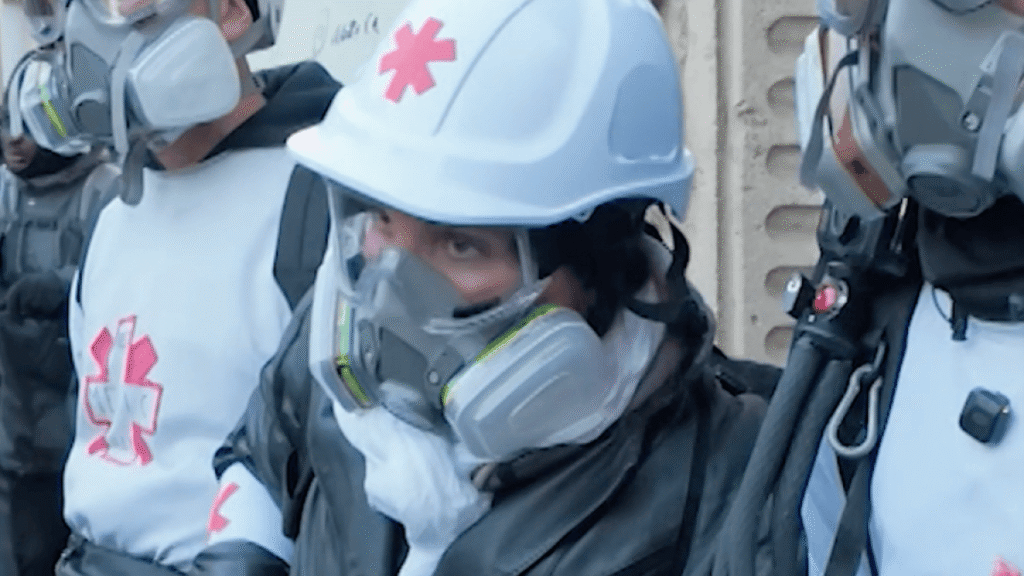
In recent months, France has witnessed widespread protests against the rising cost of living, with thousands of citizens taking to the streets demanding economic justice and government action. Alongside these protests, a critical yet often underrepresented group has emerged—the “Street Medics.” These volunteers play an essential role in safeguarding the well-being of demonstrators, acting as frontline responders when tensions escalate.
Street Medics are trained volunteers who provide immediate medical assistance to injured protesters during demonstrations. Their presence has become crucial, especially amid reports of increasing violence and police misconduct. French authorities are currently investigating over a hundred cases of alleged police brutality during these cost-of-living protests, raising concerns about the safety and rights of the demonstrators.
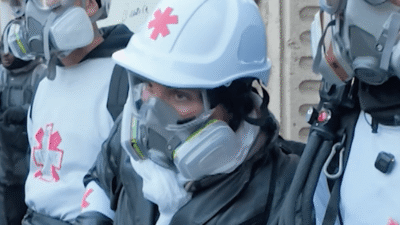
Equipped with basic medical supplies and trained in first aid and trauma care, Street Medics navigate through chaotic protest scenes to tend to injuries. They often treat wounds caused by projectiles, tear gas exposure, and physical confrontations. Their rapid interventions can prevent minor injuries from worsening and save lives in more severe cases.
Beyond their medical duties, Street Medics also serve as neutral observers, documenting any instances of violence and misconduct. This documentation has become vital in holding law enforcement accountable and ensuring transparency during these volatile events. Their presence reassures protesters that someone is there to provide help and record abuses, which in turn encourages peaceful participation.
The importance of Street Medics extends to fostering a culture of care and solidarity within the protest movement. They symbolize non-violence and humanitarian support, reminding everyone involved—protesters and police alike—of the shared human cost of conflict. Despite the challenges and occasional pushback they face, these medics remain steadfast in their commitment.
The investigations by French authorities into police actions have brought attention to systemic issues within law enforcement during protests. Allegations range from excessive use of force to arbitrary detentions, prompting calls for thorough reviews and reforms. Street Medics’ firsthand accounts and evidence have contributed to these efforts, highlighting the need for better policing practices.
As protests continue, the role of Street Medics is more vital than ever. They not only provide compassionate care but also uphold the principles of justice and accountability. Their work ensures that the voices demanding fairer living conditions are heard without being silenced by violence.
In conclusion, the presence of Street Medics during France’s cost-of-living protests exemplifies the power of community resilience and humanitarian aid amidst political turmoil. As investigations proceed into alleged police misconduct, these volunteers stand as a beacon of hope and protection for protesters advocating for a better future.